
Title
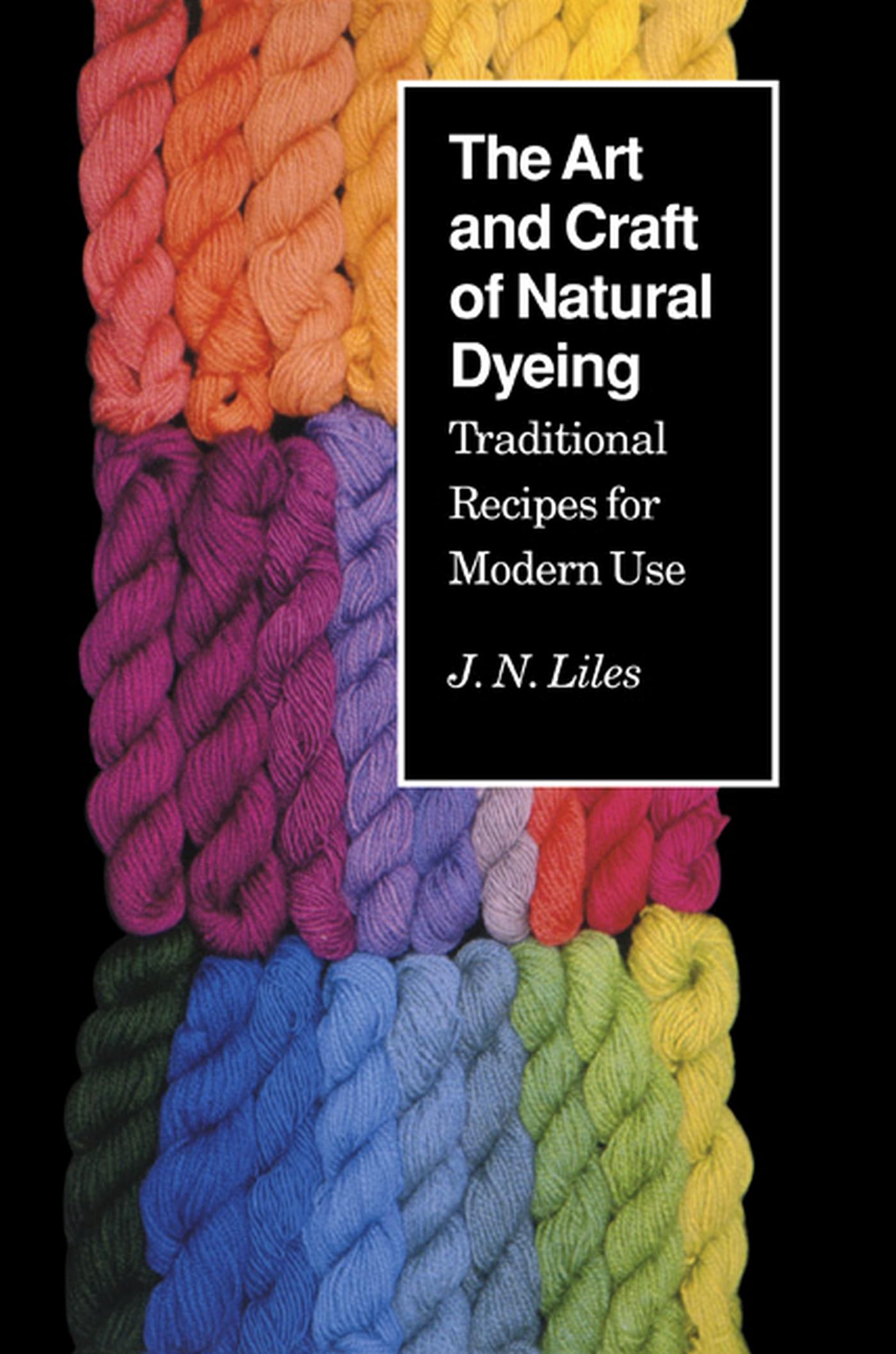
The Art And Craft Of Natural Dyeing: Traditional Recipes For Modern Use
Sold by Ergodebooks, an authorized reseller.
Returns accepted within 30 days | support@ergodebooks.com
Shipping Information
- Free Standard Shipping — United States only
- Processing Time: 3–5 business days
- Estimated Delivery: 6–10 business days after dispatch
- Double-boxed, fully insured & discreetly packaged
- Tracking number sent via email once dispatched
Returns & Refund
Returns accepted within 30 days of delivery.
Damaged or Defective Item
Free return shipping + replacement or full refund
Wrong Item Received
Free return shipping + replacement or full refund
Change of Mind
Return shipping at customer's expense · 25% restocking fee applies
Payment Option

This Is The Most Comprehensive Manual Written On Natural Dyes Since The Early 1800S. Jim Liles Has Rescued Ancient Skills From Nearextinction And Shared Them In A Book That Will Inspire, Challenge, And Guide The Modern Dyer.Rita Buchanan, Author Of A Weaver'S Garden, And Editor Of The New Brooklyn Botanic Gardens Handbook On Natural Dyes . . . A Must For Every Dyer. The Recipes Are Explicit And Detailed As To Success And Failure.Mary Frances Davidsonfor Several Thousand Years, All Dyes Were Of Animal, Vegetable, Or Mineral Origin, And Many Ancient Civilizations Possessed Excellent Dye Technologies. The First Synthetic Dye Was Produced In 1856, And The Use Of Traditional Dyes Declined Rapidly Thereafter. By 1915 Few Nonsynthetics Were Used By Industry Or Craftspeople. The Craft Revivals Of The 1920S Explored Traditional Methods Of Natural Dyeing To Some Extent, Particularly With Wool, Although The Great Eighteenth And Nineteenthcentury Dye Manuals, Which Recorded The Older Processes, Remained Largely Forgotten.In The Art And Craft Of Natural Dyeing, J. N. Liles Consolidates The Lore Of The Older Dyers With His Own Firsthand Experience To Produce Both A History Of Natural Dyes And A Practical Manual For Using Presynthetic Era Processes On All The Natural Fiberscotton, Linen, Silk, And Wool. A General Section On Dyeing And Mordanting And A Glossary Introduce The Beginner To Dye Technology. In Subsequent Chapters, Liles Summarizes The Traditional Dye Methods Available For Each Major Color Group. Scores Of Recipes Provide Detailed Instructions On How To Collect Ingredientsflowers, Weeds, Insects, Wood, Mineralsprepare The Dyevat, Troubleshoot, And Achieve Specific Shades.The Book Will Appeal Not Only To Beginning And Veteran Dyers But To Students Of Restorations And Reconstruction As Well As To Craftspeoplespinners, Quilters, Weavers, Knitters, And Other Textile Artistsinterested In Natural Dyes For Their Beauty And Historical Authenticity.The Author: J. N. Liles Is Professor Of Zoology At The University Of Tennessee, Knoxville. He Has Taught At Arrowmont School And Other Regional Craft Schools And Has Exhibited His Work At The Arrowmont School, The Southern Highland Handicraft Guild Folk Art Center, And The Carol Reece Museum.
⚠️ WARNING (California Proposition 65):
This product may contain chemicals known to the State of California to cause cancer, birth defects, or other reproductive harm.
For more information, please visit www.P65Warnings.ca.gov.
- Q: How many pages does the book have? A: This book has two hundred fifty-four pages. It provides comprehensive insights into natural dyeing techniques and history.
- Q: What is the size of the book? A: The dimensions of the book are six inches in length, zero point seventy-one inches in width, and nine point zero two inches in height.
- Q: What type of binding does this book have? A: This book is available in paperback binding. This makes it lightweight and easy to handle for readers.
- Q: Who is the author of 'The Art and Craft of Natural Dyeing'? A: The author is J. N. Liles. He combines historical knowledge with practical dyeing techniques in this book.
- Q: What kind of dyes are discussed in this book? A: The book focuses on natural dyes sourced from animal, vegetable, and mineral origins. It highlights traditional recipes for modern use.
- Q: Is this book suitable for beginners? A: Yes, this book is suitable for beginners. It includes a general section on dyeing and mordanting to introduce new dyers.
- Q: Can experienced dyers benefit from this book? A: Yes, experienced dyers will find valuable insights and detailed recipes. The book consolidates ancient techniques with practical applications.
- Q: What materials can be dyed using the techniques in this book? A: You can dye various natural fibers including cotton, linen, silk, and wool. The book provides methods for dyeing each of these materials.
- Q: How do I store this book to keep it in good condition? A: Store the book in a cool, dry place away from direct sunlight. This will help preserve its condition and prevent fading.
- Q: Are there any special care instructions for this book? A: No, there are no special care instructions. Just handle it with clean hands to avoid dirt and oils.
- Q: What if the book arrives damaged? A: If the book arrives damaged, contact the seller for a return or exchange. Most sellers have a return policy for such issues.
- Q: Can I return the book if I don't like it? A: Yes, you can typically return the book if it's in original condition. Check the seller's return policy for specific details.
- Q: Is this book appropriate for children? A: Yes, this book is appropriate for children with adult supervision. It teaches valuable skills related to dyeing and crafts.
- Q: What sets this book apart from others on the same topic? A: This book is distinguished by its comprehensive coverage of natural dyeing since the early 1800s. It blends history with practical application.
- Q: Are there any recipes included in this book? A: Yes, the book includes numerous detailed recipes for dyeing with various natural ingredients. These guide users through the dyeing process.