
Title
The Art And Science Of Sails
Sold by Ergodebooks, an authorized reseller.
Returns accepted within 30 days | support@ergodebooks.com
Shipping Information
- Free Standard Shipping — United States only
- Processing Time: 3–5 business days
- Estimated Delivery: 6–10 business days after dispatch
- Double-boxed, fully insured & discreetly packaged
- Tracking number sent via email once dispatched
Returns & Refund
Returns accepted within 30 days of delivery.
Damaged or Defective Item
Free return shipping + replacement or full refund
Wrong Item Received
Free return shipping + replacement or full refund
Change of Mind
Return shipping at customer's expense · 25% restocking fee applies
Payment Option

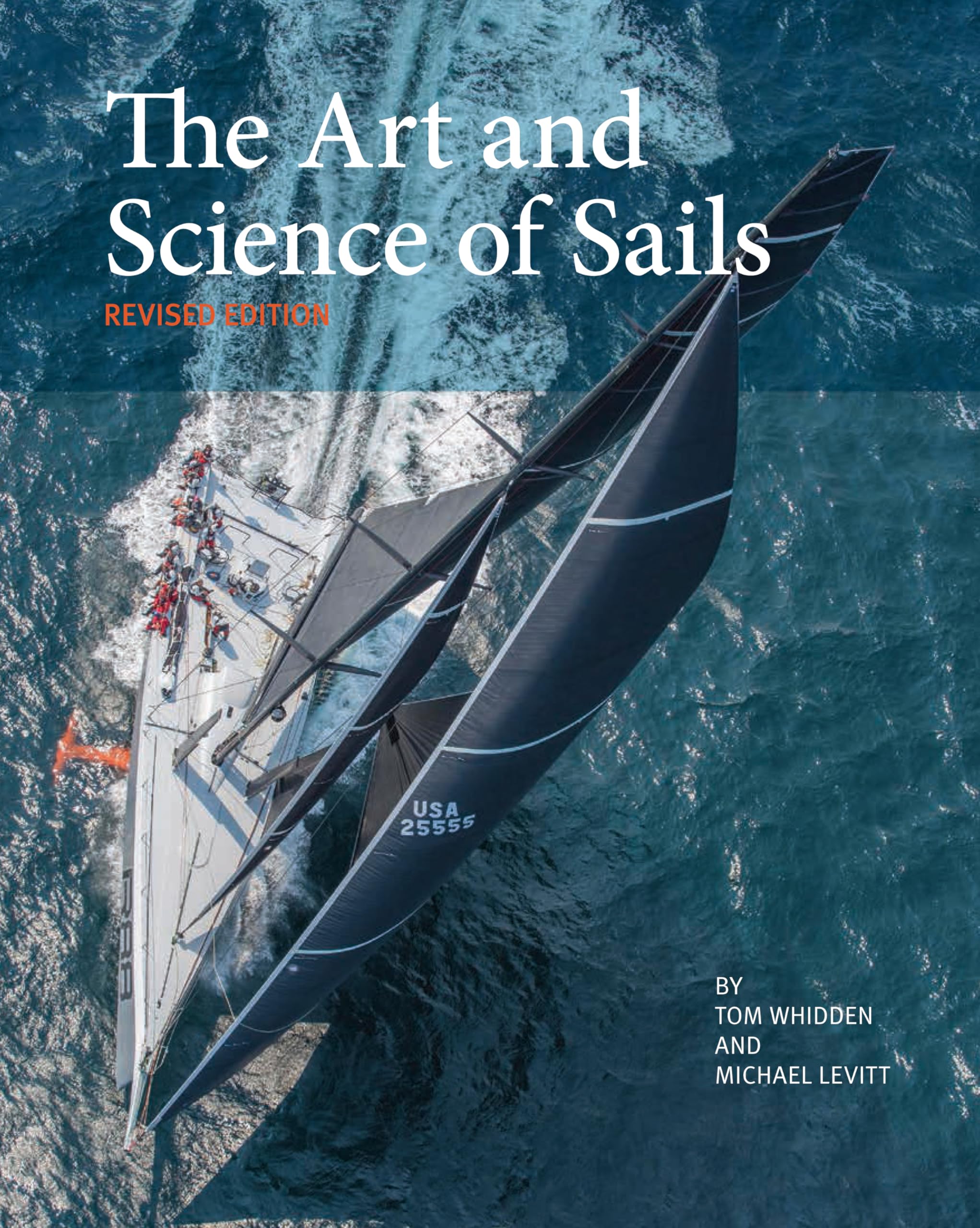
This Is Not Your Parents' Art And Science Of Sails, Written By Tom Whidden And Michael Levitt And Published In 1990 By St. Martin'S Press. The First Edition Sold More Than 20,000 Copies. The Second Revised Edition 2016 Now In Its Second Printing Is Published By North Sails Group, Llc And Written By The Same Duo. What A Difference 25 Years Makes! Today There Are Onepiece Sails Made Over A 3D Mold In The Shape They Will Assume In The Wind. Sail Plans Have Radically Evolved To Fractional Rigs, Fathead Mains, And Nonoverlapping Jibs. That Is True For Racing Boats As Well As Cruising. Thus, Ninety Percent Of The Text Is New, As Are Almost All Of The More Than 100 Photographs And Technical Illustrations.The Authors Focus On Circulation As They Did In The First Edition, But Now Come At It From A Different Direction. And For The First Time Anywhere, They Attempt To Quantify Its Effects. Where The Wind Speeds Up And Why As It Passes Over A Sail Plan, And Where It Slows Down And Why. Circulation Theory Is Familiar To Aerodynamicists For At Least 100 Years And Is Argued About By Sailors At Least Since 1973, When The Late Arvel Gentry Loosed His Theories On The Sailing World. Gentry Was An Aerodynamicist At Boeing By Day And A Sailor On The Weekends. And The Theories Used To Explain Why Airplanes Fly Were At Odds With The Theories Of Why Sailboats Sail To Weather And What The Slot Actually Does.Whidden, Ceo Of North Marine Group, Which Includes North Sails, And Levitt, Who Has Written 14 Books, Utilize Explanations Like Circulation To Answer Such Diverse Questions As: Why Fractional Rigs, Fathead Mains, And Nonoverlapping Jibs Have Come To Predominate. Why And How Leech Twist Can Be A Sailtrimmer'S Best Friend. Why A Yacht Designer Positions The Mast, Keel, And Rudder To Create Some Weather Helm. Why The Safeleeward Position Is Advantageous Relative To The Entire Fleet, Not Just To The Boat You Tacked Beneath And Forward Of. Why A Mainsail'S Efficiency Is Improved With Added Upper Roach, Beyond The Value Of The Extra Area. Why The Miracle Of Upwind Sailing Is Not That There Is So Much Lift But So Little Drag. Why, When Sailing Upwind, The Main Is Always Trimmed To A Tighter Angle Than The Jib. What A Polar Diagram Tells Us Or Why Tacking Downwind Is Almost Always Faster Than Sailing Directly To A Mark.There Is Also An Indepth Look At The Wonders Of Material Utilizationnot Just Materials. Indeed There Have Been No New Fibers Accepted Into Sailmaking For Over 20 Years. It Is How They Are Used That Makes The Difference. In The Last Three Chapters, The Authors Drill Down On Mainsails, Headsails, And Downwind Asymmetric And Symmetric Spinnakers. And In This Edition For The First Time They Address Downwind Aerodynamics. The Book Celebrates The Complexity And Beauty Of Sails In Words And Pictures And Of The Whole Rarefied Sport Of Sailing.
⚠️ WARNING (California Proposition 65):
This product may contain chemicals known to the State of California to cause cancer, birth defects, or other reproductive harm.
For more information, please visit www.P65Warnings.ca.gov.
- Q: What are the dimensions of the book? A: The book measures nine point twenty-six inches in length, zero point seventy-nine inches in width, and ten point eighty-seven inches in height.
- Q: How many pages does the book have? A: The book contains one hundred eighty-two pages.
- Q: What type of binding does this book have? A: This book is bound in hardcover.
- Q: Who are the authors of this book? A: The authors are Tom Whidden and Michael Levitt.
- Q: What is the genre of this book? A: The book falls under the genre of Boat Building.
- Q: How do I apply the principles discussed in the book? A: You can apply the principles by understanding sail design and aerodynamics to improve your sailing performance.
- Q: Is this book suitable for beginners in sailing? A: Yes, this book provides foundational knowledge that is beneficial for beginners.
- Q: Can I use this book for advanced sailing techniques? A: Yes, it covers advanced topics like downwind aerodynamics and sail trimming, making it suitable for experienced sailors as well.
- Q: How should I care for this book? A: Keep the book in a dry place and avoid exposure to direct sunlight to prevent fading.
- Q: Is this book safe for children to read? A: Yes, the book is appropriate for children interested in sailing.
- Q: What should I do if the book arrives damaged? A: Contact the seller for a return or replacement if the book arrives damaged.
- Q: Does this book come with a warranty? A: Typically, books do not have warranties, but check with the seller for specific policies.
- Q: How can I store this book to keep it in good condition? A: Store the book upright on a shelf, away from moisture and heat sources.
- Q: What makes this book different from earlier editions? A: This edition includes ninety percent new text and updated illustrations, reflecting 25 years of advancements in sail technology.
- Q: Can I read this book if I have no prior sailing experience? A: Yes, the book is designed to be accessible for readers with little to no prior experience in sailing.