
Title
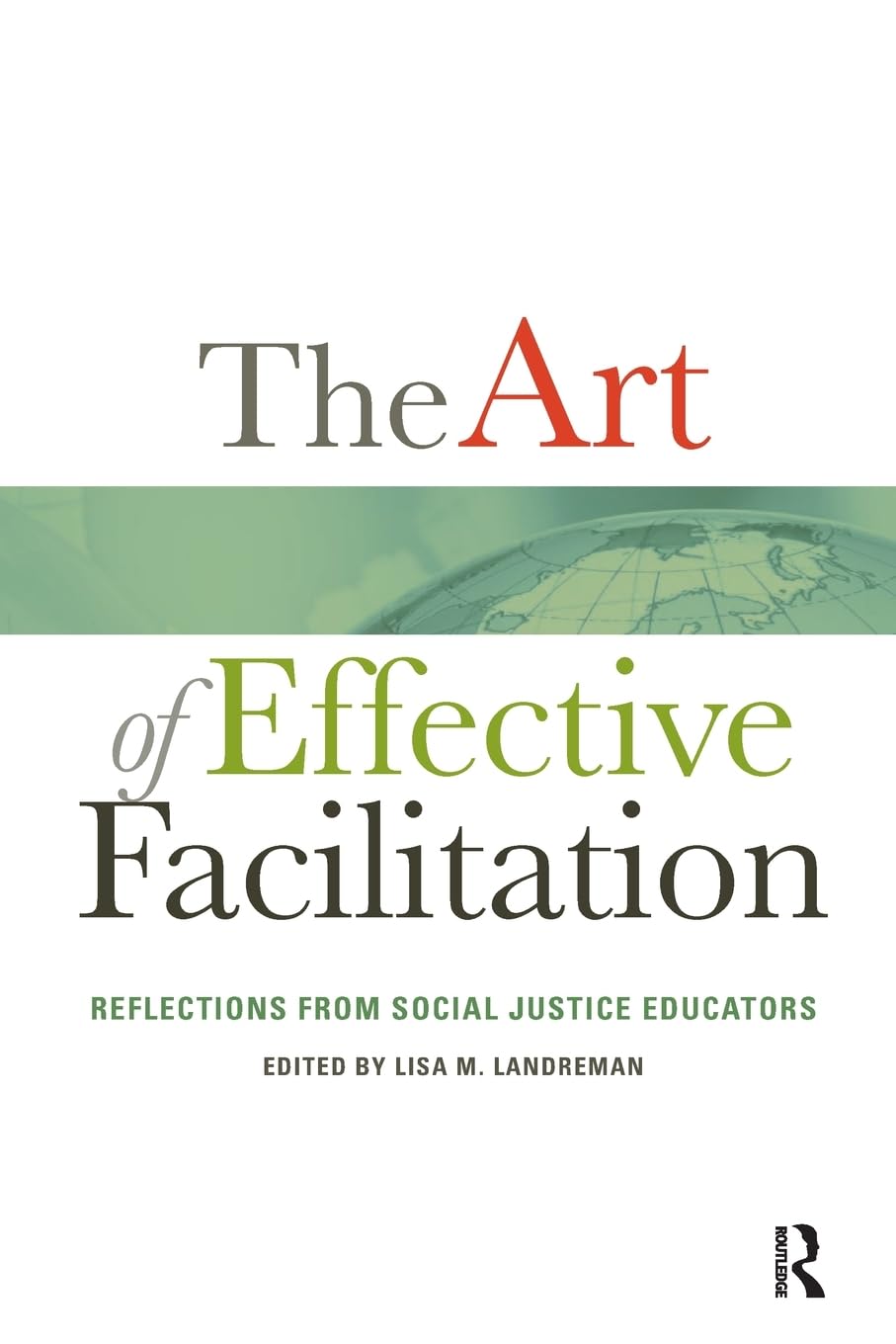
The Art of Effective Facilitation (An ACPA CoPublication),Used
Sold by Ergodebooks, an authorized reseller.
Returns accepted within 30 days | support@ergodebooks.com
Shipping Information
- Free Standard Shipping — United States only
- Processing Time: 3–5 business days
- Estimated Delivery: 6–10 business days after dispatch
- Double-boxed, fully insured & discreetly packaged
- Tracking number sent via email once dispatched
Returns & Refund
Returns accepted within 30 days of delivery.
Damaged or Defective Item
Free return shipping + replacement or full refund
Wrong Item Received
Free return shipping + replacement or full refund
Change of Mind
Return shipping at customer's expense · 25% restocking fee applies
Payment Option

Copublished with How can I apply learning and social justice theory to become a better facilitator?Should I prepare differently for workshops around specific identities?How do I effectively respond when things arent going as planned?This book is intended for the increasing number of faculty and student affairs administrators at whatever their level of experience who are being are asked to become social justice educators to prepare students to live successfully within, and contribute to, an equitable multicultural society.It will enable facilitators to create programs that go beyond superficial discussion of the issues to fundamentally address the structural and cultural causes of inequity, and provide students with the knowledge and skills to work for a more just society. Beyond theory, design, techniques and advice on practice, the book concludes with a section on supporting student social action.The authors illuminate the art and complexity of facilitation, describe multiple approaches, and discuss the necessary and ongoing reflection process. What sets this book apart is how the authors illustrate these practices through personal narratives of challenges encountered, and by admitting to their struggles and mistakes.They emphasize the need to prepare by taking into account such considerations as the developmental readiness of the participants, and the particular issues and historical context of the campus, before designing and facilitating a social justice training or selecting specific exercises. They pay particular attention to the struggle to teach the goals of social justice education in a language that can be embraced by the general public, and to connect its structural and contextual analyses to real issues inside and outside the classroom. The book is informed by the recognition that the magic is almost never in the exercise or the handout but, instead, is in the facilitation; and by the authors commitment to help educators identify and analyze dehumanizing processes on their campuses and in society at large, reflect on their own socialization, and engage in proactive strategies to dismantle oppression.
⚠️ WARNING (California Proposition 65):
This product may contain chemicals known to the State of California to cause cancer, birth defects, or other reproductive harm.
For more information, please visit www.P65Warnings.ca.gov.