
Title
The Art of the Metaobject Protocol,Used
Sold by Ergodebooks, an authorized reseller.
Returns accepted within 30 days | support@ergodebooks.com
Shipping Information
- Free Standard Shipping — United States only
- Processing Time: 3–5 business days
- Estimated Delivery: 6–10 business days after dispatch
- Double-boxed, fully insured & discreetly packaged
- Tracking number sent via email once dispatched
Returns & Refund
Returns accepted within 30 days of delivery.
Damaged or Defective Item
Free return shipping + replacement or full refund
Wrong Item Received
Free return shipping + replacement or full refund
Change of Mind
Return shipping at customer's expense · 25% restocking fee applies
Payment Option

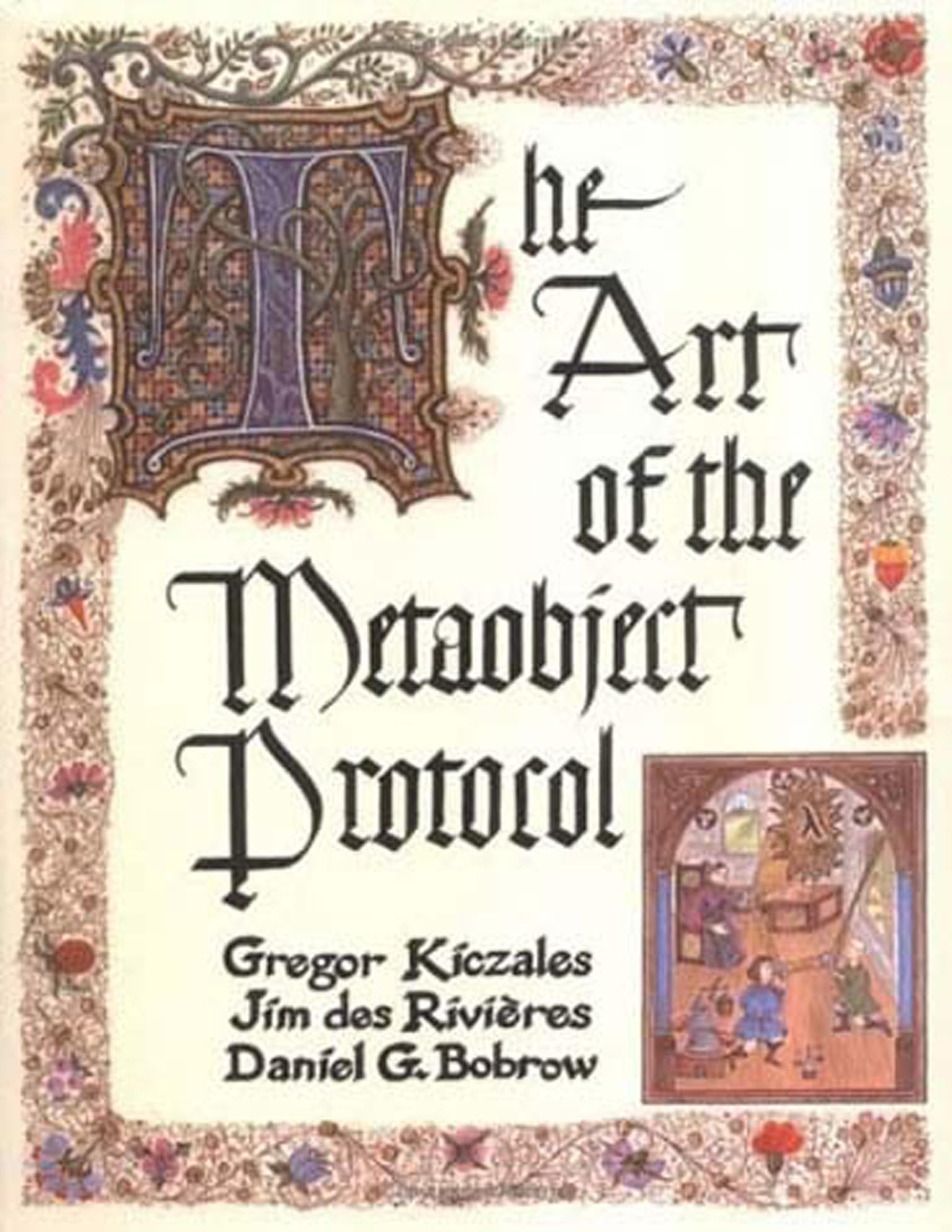
The authors introduce this new approach to programming language design, describe its evolution and design principles, and present a formal specification of a metaobject protocol for CLOS.The CLOS metaobject protocol is an elegant, highperformance extension to the CommonLisp Object System. The authors, who developed the metaobject protocol and who were among the group that developed CLOS, introduce this new approach to programming language design, describe its evolution and design principles, and present a formal specification of a metaobject protocol for CLOS.Kiczales, des Rivires, and Bobrow show that the "art of metaobject protocol design" lies in creating a synthetic combination of objectoriented and reflective techniques that can be applied under existing software engineering considerations to yield a new approach to programming language design that meets a broad set of design criteria.One of the major benefits of including the metaobject protocol in programming languages is that it allows users to adjust the language to better suit their needs. Metaobject protocols also disprove the adage that adding more flexibility to a programming language reduces its performance. In presenting the principles of metaobject protocols, the authors work with actual code for a simplified implementation of CLOS and its metaobject protocol, providing an opportunity for the reader to gain handson experience with the design process. They also include a number of exercises that address important concerns and open issues.Gregor Kiczales and Jim des Rivires, are Members of the Research Staff, and Daniel Bobrow is a Research Fellow, in the System Sciences Laboratory at Xerox Palo Alto Research Center.
⚠️ WARNING (California Proposition 65):
This product may contain chemicals known to the State of California to cause cancer, birth defects, or other reproductive harm.
For more information, please visit www.P65Warnings.ca.gov.