
Title
The Art of the Network: Strategic Interaction and Patronage in Renaissance Florence (Politics, History, and Culture),Used
Sold by Ergodebooks, an authorized reseller.
Returns accepted within 30 days | support@ergodebooks.com
Shipping Information
- Free Standard Shipping — United States only
- Processing Time: 3–5 business days
- Estimated Delivery: 6–10 business days after dispatch
- Double-boxed, fully insured & discreetly packaged
- Tracking number sent via email once dispatched
Returns & Refund
Returns accepted within 30 days of delivery.
Damaged or Defective Item
Free return shipping + replacement or full refund
Wrong Item Received
Free return shipping + replacement or full refund
Change of Mind
Return shipping at customer's expense · 25% restocking fee applies
Payment Option

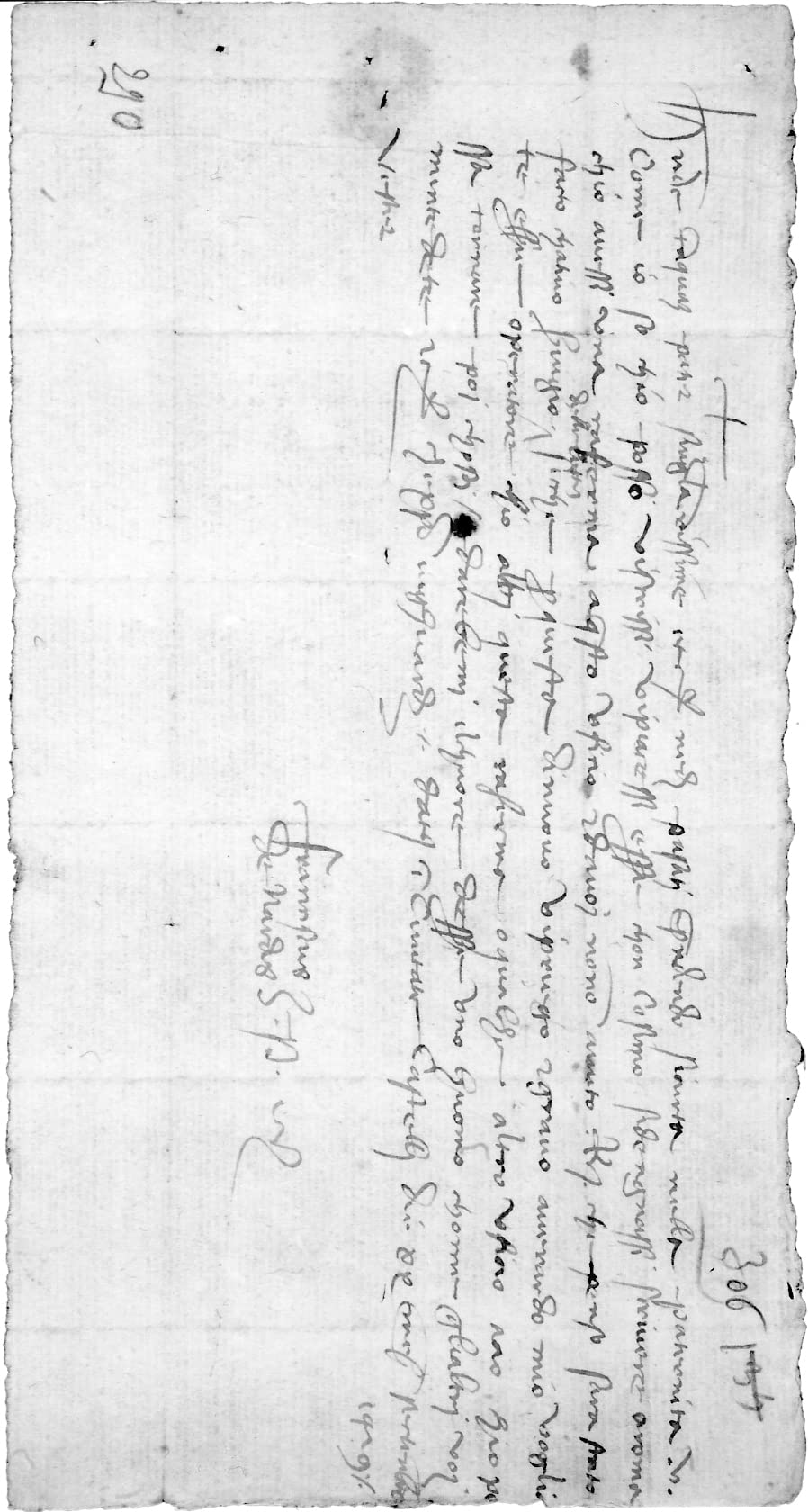
Writing letters to powerful people to win their favor and garner rewards such as political office, tax relief, and recommendations was an institution in Renaissance Florence; the practice was an important tool for those seeking social mobility, security, and recognition by others. In this detailed study of political and social patronage in fifteenthcentury Florence, Paul D. McLean shows that patronage was much more than a pursuit of specific rewards. It was also a pursuit of relationships and of a self defined in relation to others. To become independent in Renaissance Florence, one first had to become connected. With The Art of the Network, McLean fills a gap in sociological scholarship by tracing the historical antecedents of networking and examining the concept of self that accompanies it. His analysis of patronage opens into a critique of contemporary theories about social networks and social capital, and an exploration of the sociological meaning of culture.McLean scrutinized thousands of letters to and from Renaissance Florentines. He describes the social protocols the letters reveal, paying particular attention to the means by which Florentines crafted credible presentations of themselves. The letters, McLean contends, testify to the development not only of new forms of selfpresentation but also of a new kind of self to be presented: an emergent, modern conception of self as an autonomous agent. They also bring to the fore the importance that their writers attached to concepts of honor, and the ways that they perceived themselves in relation to the Florentine state.
⚠️ WARNING (California Proposition 65):
This product may contain chemicals known to the State of California to cause cancer, birth defects, or other reproductive harm.
For more information, please visit www.P65Warnings.ca.gov.