
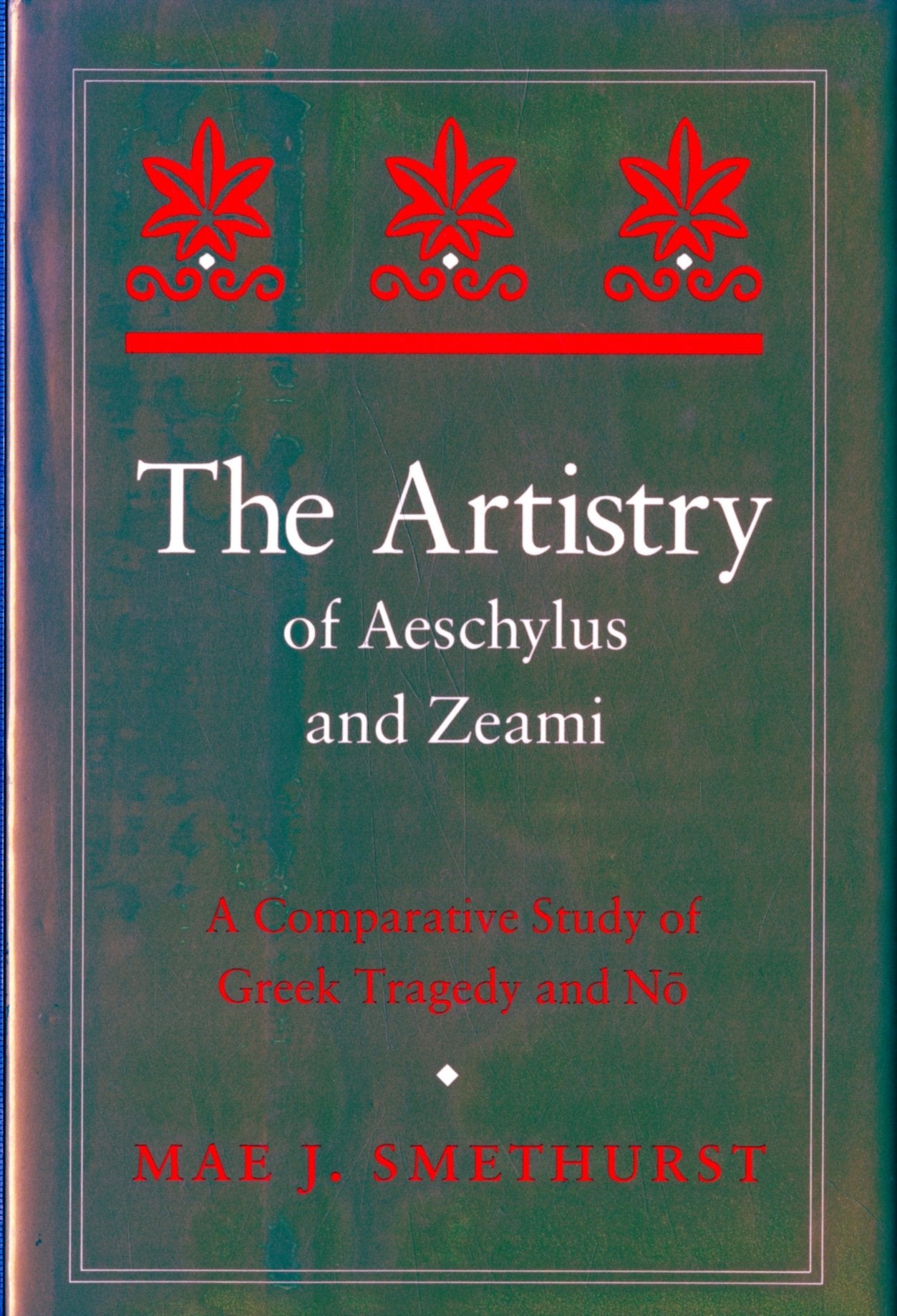
Title

The Artistry of Aeschylus and Zeami: A Comparative Study of Greek Tragedy and No (Princeton Legacy Library, 972),Used
Sold by Ergodebooks, an authorized reseller.
Returns accepted within 30 days | support@ergodebooks.com
Shipping Information
- Free Standard Shipping — United States only
- Processing Time: 3–5 business days
- Estimated Delivery: 6–10 business days after dispatch
- Double-boxed, fully insured & discreetly packaged
- Tracking number sent via email once dispatched
Returns & Refund
Returns accepted within 30 days of delivery.
Damaged or Defective Item
Free return shipping + replacement or full refund
Wrong Item Received
Free return shipping + replacement or full refund
Change of Mind
Return shipping at customer's expense · 25% restocking fee applies
Payment Option

By means of a crosscultural analysis of selected examples of early Japanese and early Greek drama, Mae Smethurst enhances our appreciation of each form. While using the methods of a classicist to increase our understanding of no as literary texts, she also demonstrates that the fifteenthcentury treatises of Zeamian important playwright, actor, critic, and teacher of nooffer fresh insight into Aeschylus' use of actors, language, and various elements of stage presentation.Relatively little documentation apart from the texts of the plays is available for the Greek theater of the fifth century B.C., but Smethurst uses documentation on no, and evidence from no performances today, to suggest how presentations of the Persians could have been so successful despite the play's lack of dramatic confrontation. Aeschylean theater resembles that of Zeami in creating its powerful emotional and aesthetic effect through a coherent organization of structural elements. Both playwrights used such methods as the gradual intensification of rhythmic and musical effects, an increase in the number and complexity of the actors' movements, and a progressive focusing of attention on the main actors and on costumes, masks, and props during the course of the play.Originally published in 1989.The Princeton Legacy Library uses the latest printondemand technology to again make available previously outofprint books from the distinguished backlist of Princeton University Press. These editions preserve the original texts of these important books while presenting them in durable paperback and hardcover editions. The goal of the Princeton Legacy Library is to vastly increase access to the rich scholarly heritage found in the thousands of books published by Princeton University Press since its founding in 1905.
⚠️ WARNING (California Proposition 65):
This product may contain chemicals known to the State of California to cause cancer, birth defects, or other reproductive harm.
For more information, please visit www.P65Warnings.ca.gov.