
Title
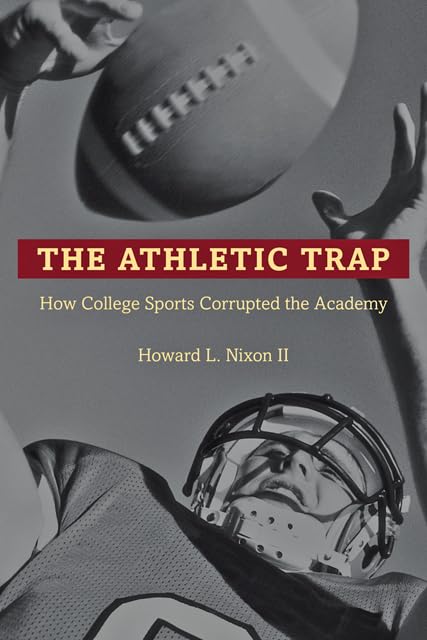
The Athletic Trap: How College Sports Corrupted the Academy,Used
Sold by Ergodebooks, an authorized reseller.
Returns accepted within 30 days | support@ergodebooks.com
Shipping Information
- Free Standard Shipping — United States only
- Processing Time: 3–5 business days
- Estimated Delivery: 6–10 business days after dispatch
- Double-boxed, fully insured & discreetly packaged
- Tracking number sent via email once dispatched
Returns & Refund
Returns accepted within 30 days of delivery.
Damaged or Defective Item
Free return shipping + replacement or full refund
Wrong Item Received
Free return shipping + replacement or full refund
Change of Mind
Return shipping at customer's expense · 25% restocking fee applies
Payment Option

The commercial model of college sports entangles presidents, boards, and their institutions in a complex web of dysfunctional commitments.The unrivaled amount of cash poured into the college athletic system has made sports programs breeding grounds for corruption while diverting crucial resources from the academic mission of universities. Like money in Washington politics, the influence bought by a complex set of selfinterested actors seriously undermines movement toward reform while trapping universities in a cycle of escalating competition. Longtime sport sociologist Howard L. Nixon II approaches the issue from the perspective of college presidentshow they are seduced by prestige or pressured by economics into building programs that move schools toward a commercial model of athletics.Nixon situates his analysis in the context of what he calls the intercollegiate golden triangle, a powerful social network of athletic, media, and private corporate commercial interests. This network lures presidents and other university leaders into an athletic arms race with promises of institutional enhancements, increased enrollments, better student morale, improved alumni loyalty, more financial contributions, and higher prestige.These promises can cloud the judgment of college presidents and governing boards, entangling them in an athletic trap that restricts their influence. Unable to control spending, inequalities, and deviance within commercialized athletic programs, universities are ensnared in financial, political, and social obligations that are difficult to sustainor escape. Nixon clarifies the structure of this trap, describes how higher education institutions fall into it, and explores what it means for institutions and presidents caught in it.This timely analysis also has relevance to the debates about the role of the NCAA and ongoing reform efforts in college sports. The Athletic Trap will be of interest to university presidents, board members, and administrators, sport sociologists concerned with the balance of power between academics and athletics, and anyone else with a serious interest in college sports and its future.
⚠️ WARNING (California Proposition 65):
This product may contain chemicals known to the State of California to cause cancer, birth defects, or other reproductive harm.
For more information, please visit www.P65Warnings.ca.gov.