
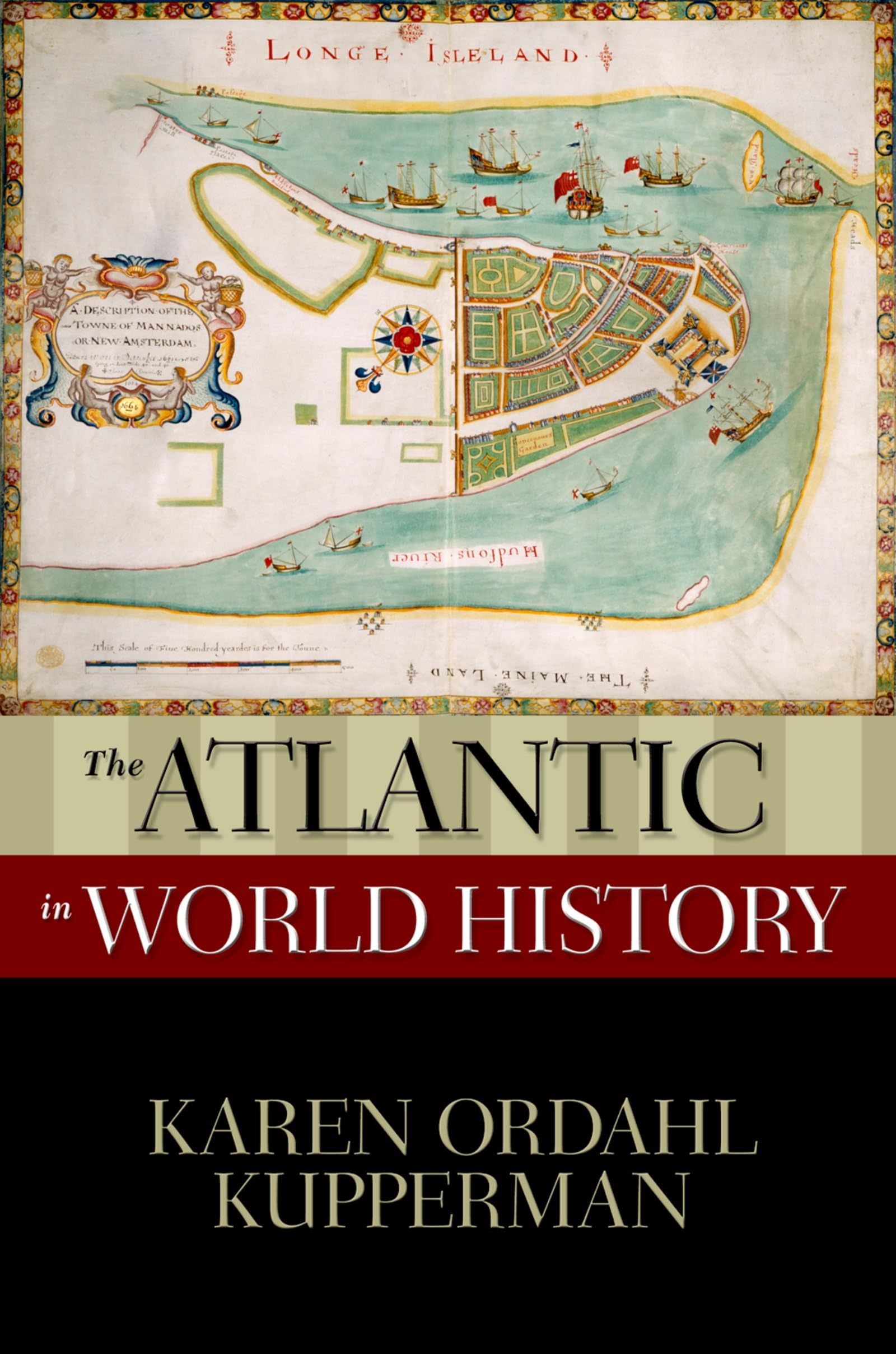
Title
The Atlantic in World History (New Oxford World History),Used
Sold by Ergodebooks, an authorized reseller.
Returns accepted within 30 days | support@ergodebooks.com
Shipping Information
- Free Standard Shipping — United States only
- Processing Time: 3–5 business days
- Estimated Delivery: 6–10 business days after dispatch
- Double-boxed, fully insured & discreetly packaged
- Tracking number sent via email once dispatched
Returns & Refund
Returns accepted within 30 days of delivery.
Damaged or Defective Item
Free return shipping + replacement or full refund
Wrong Item Received
Free return shipping + replacement or full refund
Change of Mind
Return shipping at customer's expense · 25% restocking fee applies
Payment Option

As Europeans began to move into the Atlantic in the late fifteenth century, first encountering islands and then two continents across the sea, they initiated a process that revolutionized the lives of people everywhere. American foods enriched their diets. Furs, precious metals, dyes, and many other products underwrote new luxury trades, and tobacco became the first consumer craze as the price plummeted with everenlarging production.Much of the technology that made new initiatives, such as sailing out of sight of land, possibly drew on Asian advances that came into Europe through North Africa. Sugar and other crops came along the same routes, and Europeans found American environments ideal for their cultivation. Leaders along the African coast controlled the developing trade with Europeans, and products from around the Atlantic entered African life. As American plantations were organized on an industrial scale, they became voracious consumers of labor. American Indians, European indentured servants, and enslaved Africans were all employed, and over time slavery became the predominant labor system in the plantation economies.American Indians adopted imported technologies and goods to enhance their own lives, but diseases endemic in the rest of the world to which Americans had no acquired immunity led to dramatic population decline in some areas. From Brazil to Canada, Indians withdrew into the interior, where they formed large and powerful new confederations.Atlantic exchange opened new possibilities. All around the ocean, states that had been marginal to the main centers in the continents' interiors now found themselves at the forefront of developing trades with the promise of wealth and power. European women and men whose prospects were circumscribed at home saw potential in emigration. Economic aspirations beckoned large numbers, but also, in the maelstrom following the Reformation, others sought the chance to worship as they saw fit. Many saw their hopes dashed, but some succeeded as they had desired. Ultimately, as people of African and European descent came to predominate in American populations, they broke political ties to Europe and reshaped transatlantic relationships.
⚠️ WARNING (California Proposition 65):
This product may contain chemicals known to the State of California to cause cancer, birth defects, or other reproductive harm.
For more information, please visit www.P65Warnings.ca.gov.
- Q: What is the main topic of 'The Atlantic in World History'? A: The book discusses the historical impact of European exploration in the Atlantic during the late fifteenth century, exploring how this led to significant changes in societies across the globe.
- Q: Who is the author of this book? A: The author of 'The Atlantic in World History' is Karen Ordahl Kupperman.
- Q: What are the key themes addressed in the book? A: Key themes include the exchange of goods and ideas between the Old and New Worlds, the impact of European colonization on native populations, and the development of the Atlantic slave trade.
- Q: What is the condition of the book? A: The book is listed as a used book in good condition.
- Q: How many pages does the book have? A: The book contains 155 pages.
- Q: What type of binding does this book have? A: This edition is a paperback binding.
- Q: When was this book published? A: The book was published on August 8, 2012.
- Q: Is this book suitable for academic study? A: Yes, the book is suitable for academic study, especially for those interested in history, colonial studies, and cultural exchanges.
- Q: What edition of the book is available? A: This is the first edition of 'The Atlantic in World History'.
- Q: What can readers expect to learn from this book? A: Readers can expect to learn about the transformative effects of the Atlantic exchange on societies, economies, and cultures across continents.