
Title
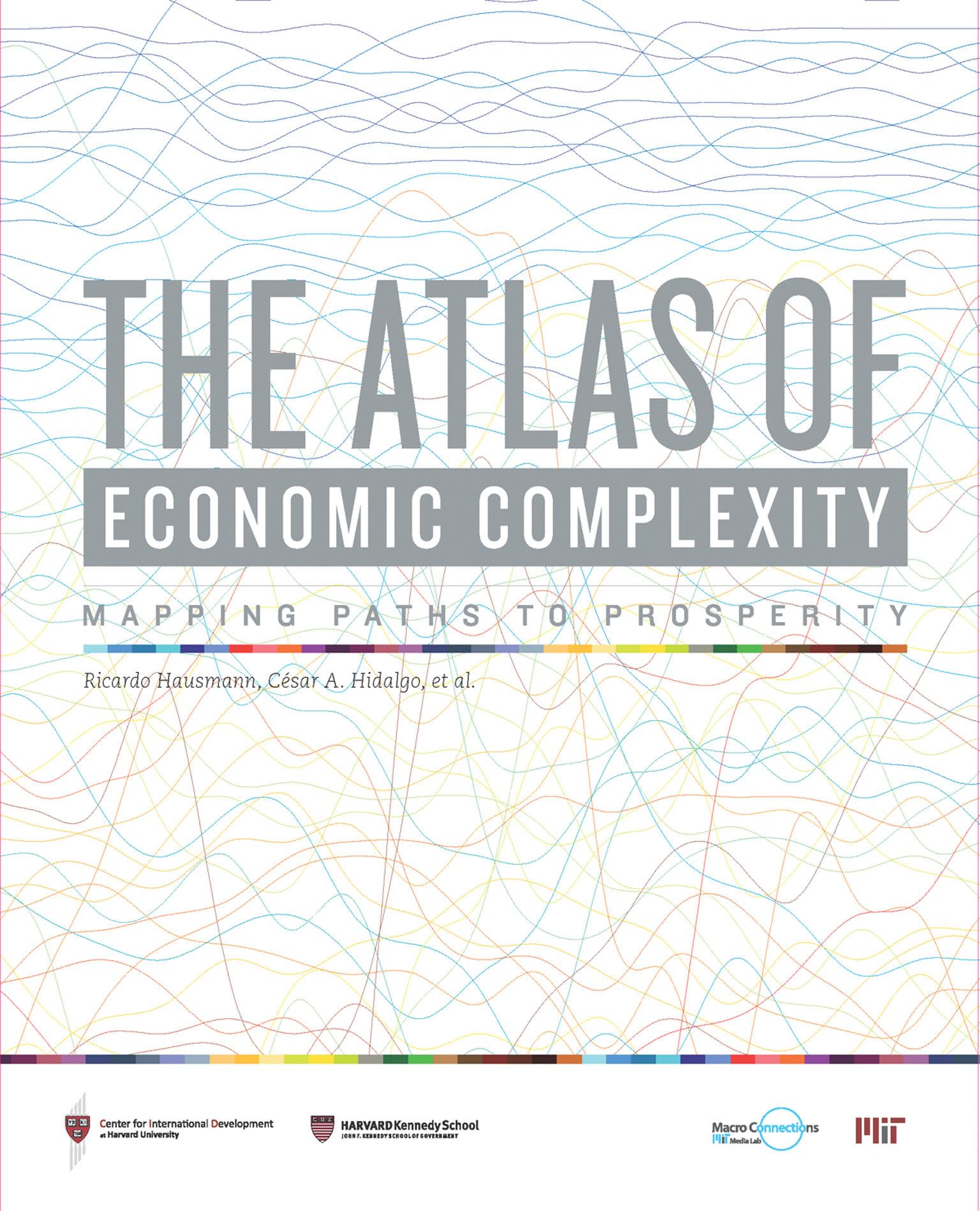
The Atlas Of Economic Complexity: Mapping Paths To Prosperity (Mit Press),New
Sold by Ergodebooks, an authorized reseller.
Returns accepted within 30 days | support@ergodebooks.com
Shipping Information
- Free Standard Shipping — United States only
- Processing Time: 3–5 business days
- Estimated Delivery: 6–10 business days after dispatch
- Double-boxed, fully insured & discreetly packaged
- Tracking number sent via email once dispatched
Returns & Refund
Returns accepted within 30 days of delivery.
Damaged or Defective Item
Free return shipping + replacement or full refund
Wrong Item Received
Free return shipping + replacement or full refund
Change of Mind
Return shipping at customer's expense · 25% restocking fee applies
Payment Option

Maps Capture Data Expressing The Economic Complexity Of Countries From Albania To Zimbabwe, Offering Current Economic Measures And As Well As A Guide To Achieving Prosperitywhy Do Some Countries Grow And Others Do Not? The Authors Of The Atlas Of Economic Complexity Offer Readers An Explanation Based On 'Economic Complexity,' A Measure Of A Society'S Productive Knowledge. Prosperous Societies Are Those That Have The Knowledge To Make A Larger Variety Of More Complex Products. The Atlas Of Economic Complexity Attempts To Measure The Amount Of Productive Knowledge Countries Hold And How They Can Move To Accumulate More Of It By Making More Complex Products.Through The Graphical Representation Of The 'Product Space,' The Authors Are Able To Identify Each Country'S 'Adjacent Possible,' Or Potential New Products, Making It Easier To Find Paths To Economic Diversification And Growth. In Addition, They Argue That A Country'S Economic Complexity And Its Position In The Product Space Are Better Predictors Of Economic Growth Than Many Other Wellknown Development Indicators, Including Measures Of Competitiveness, Governance, Finance, And Schooling.Using Innovative Visualizations, The Book Locates Each Country In The Product Space, Provides Complexity And Growth Potential Rankings For 128 Countries, And Offers Individual Country Pages With Detailed Information About A Country'S Current Capabilities And Its Diversification Options. The Maps And Visualizations Included In The Atlas Can Be Used To Find More Viable Paths To Greater Productive Knowledge And Prosperity.
⚠️ WARNING (California Proposition 65):
This product may contain chemicals known to the State of California to cause cancer, birth defects, or other reproductive harm.
For more information, please visit www.P65Warnings.ca.gov.
- Q: What is the page count of The Atlas of Economic Complexity? A: This book contains three hundred sixty-eight pages. It provides extensive insights into economic complexity and growth.
- Q: What is the binding type of this book? A: The Atlas of Economic Complexity is a paperback. This makes it lightweight and easy to handle for readers.
- Q: What are the dimensions of The Atlas of Economic Complexity? A: The book measures ten inches in length, one point fourteen inches in width, and twelve point zero one inches in height. These dimensions make it a convenient size for reading.
- Q: How do I use The Atlas of Economic Complexity? A: You can use this book as a reference for understanding economic growth strategies. It can also be read cover-to-cover for a comprehensive grasp of economic complexity.
- Q: Is this book suitable for students? A: Yes, The Atlas of Economic Complexity is suitable for students interested in economics and development. It provides valuable insights into the factors influencing economic growth.
- Q: Can I use this book for research purposes? A: Yes, this book is an excellent resource for academic research. It offers detailed analyses and visualizations relevant to economic complexity.
- Q: How should I store The Atlas of Economic Complexity? A: Store this book in a cool, dry place on a bookshelf or in a bookcase. Keeping it upright prevents bending or damaging the cover.
- Q: Can I clean the book if it gets dirty? A: Yes, you can gently wipe the cover with a soft, dry cloth. Avoid using liquids to clean the pages to prevent damage.
- Q: Is this book safe for all ages? A: Yes, The Atlas of Economic Complexity is appropriate for all ages interested in economics. However, younger readers may need guidance to understand complex concepts.
- Q: How does this book compare to other economics books? A: This book focuses specifically on economic complexity, unlike many general economics books. It offers unique insights through visualizations and data mapping.
- Q: What makes this book stand out from other economic literature? A: Its unique approach to economic complexity and the use of visualizations distinguishes it from traditional economic literature. The graphical representation of the 'Product Space' is particularly innovative.
- Q: Is there a return policy for this book? A: Yes, most sellers offer a return policy for books, including The Atlas of Economic Complexity. Check with the retailer for specific terms.
- Q: What if the book arrives damaged? A: If The Atlas of Economic Complexity arrives damaged, contact the seller immediately for a replacement or refund. Most retailers have customer service for such issues.
- Q: Are there any warranties offered with this book? A: Typically, books do not come with warranties. However, check with the retailer for any specific guarantees related to quality.
- Q: What should I do if I have questions about the content? A: If you have questions about the content of The Atlas of Economic Complexity, consider reaching out to the publisher or looking for discussion groups online.