
Title
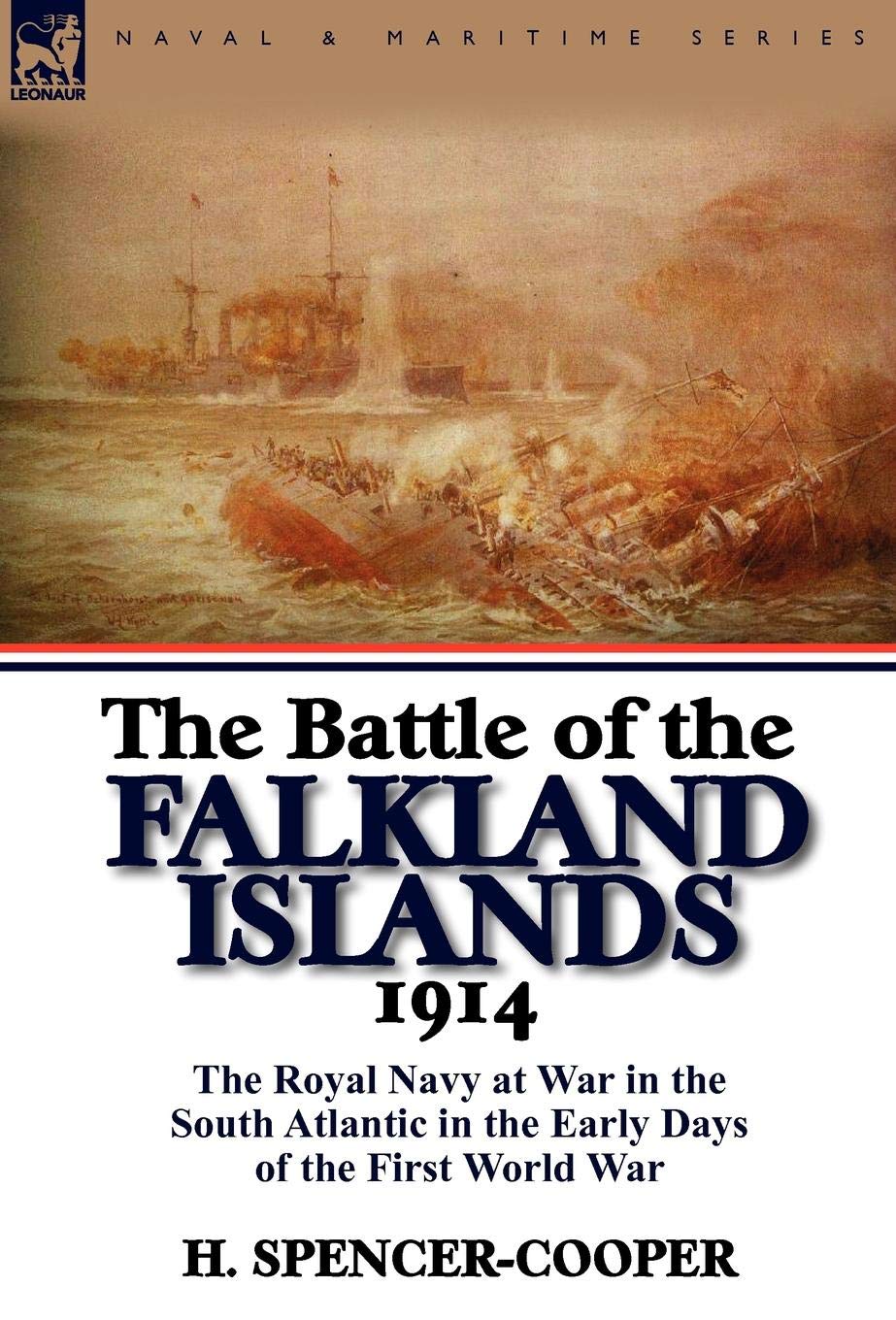
The Battle Of The Falkland Islands 1914: The Royal Navy At War In The South Atlantic In The Early Days Of The First World War,New
Sold by Ergodebooks, an authorized reseller.
Returns accepted within 30 days | support@ergodebooks.com
Shipping Information
- Free Standard Shipping — United States only
- Processing Time: 3–5 business days
- Estimated Delivery: 6–10 business days after dispatch
- Double-boxed, fully insured & discreetly packaged
- Tracking number sent via email once dispatched
Returns & Refund
Returns accepted within 30 days of delivery.
Damaged or Defective Item
Free return shipping + replacement or full refund
Wrong Item Received
Free return shipping + replacement or full refund
Change of Mind
Return shipping at customer's expense · 25% restocking fee applies
Payment Option

The Royal Navy Strikes Backin The Final Months Of The First Year Of The First World War A Squadron Of The Imperial German Navy Under Von Spee Decisively Destroyed A Weaker British Force Under Cradock Off The Coast Of South America. This Action In The Southern Pacific, Known As The Battle Of Coronel (After The Nearest Coastal Town In Chile) Delivered A Decisive Blow To The Prestige And Perception Of British Sea Power And Prompted A Determined And Powerfully Resourced Retaliatory Response From The British Admiralty Which Would Lead To The Events Described In This Book, The Battle Of The Falkland Islands. The German Cruiser Squadron Comprised Two Armoured Cruisers, Scharnorst, Gneisenau, Three Light Cruisers, Nurnberg, Dresden And Leipzig Plus Three Auxiliary Support Vessels. After His Coronel Victory, Von Spee Had Sailed His Squadron South With The Intention Of Raiding The Supply Base At Port Stanley In The Falklands In The South Atlantic, When On December 8Th, 1914 It Was Brought To Engagement By The Avenging Stronger British Force Under Doveton Sturdee Comprising The Battle Cruisers Invincible And Inflexible, The Armoured Cruisers Carnarvon, Cornwall And Kent And Two Light Cruisers Bristol And Glasgow. The Outcome Was Perhaps As Inevitable As It Was Intended To Be. Only Two German Vessels Escaped Being Sunk. Students Of Naval History Will Know That For A Century The Royal Navy'S Dominance Of The Seaways Had Meant That It Had Fought Few Major Engagements Since Trafalgar. The First World War Was Dominated By The Battle Of Jutland. So This Account Of Modern Warships In Action Is Of Vital Interest. Available In Softcover And Hardback For Collectors.
⚠️ WARNING (California Proposition 65):
This product may contain chemicals known to the State of California to cause cancer, birth defects, or other reproductive harm.
For more information, please visit www.P65Warnings.ca.gov.