
Title
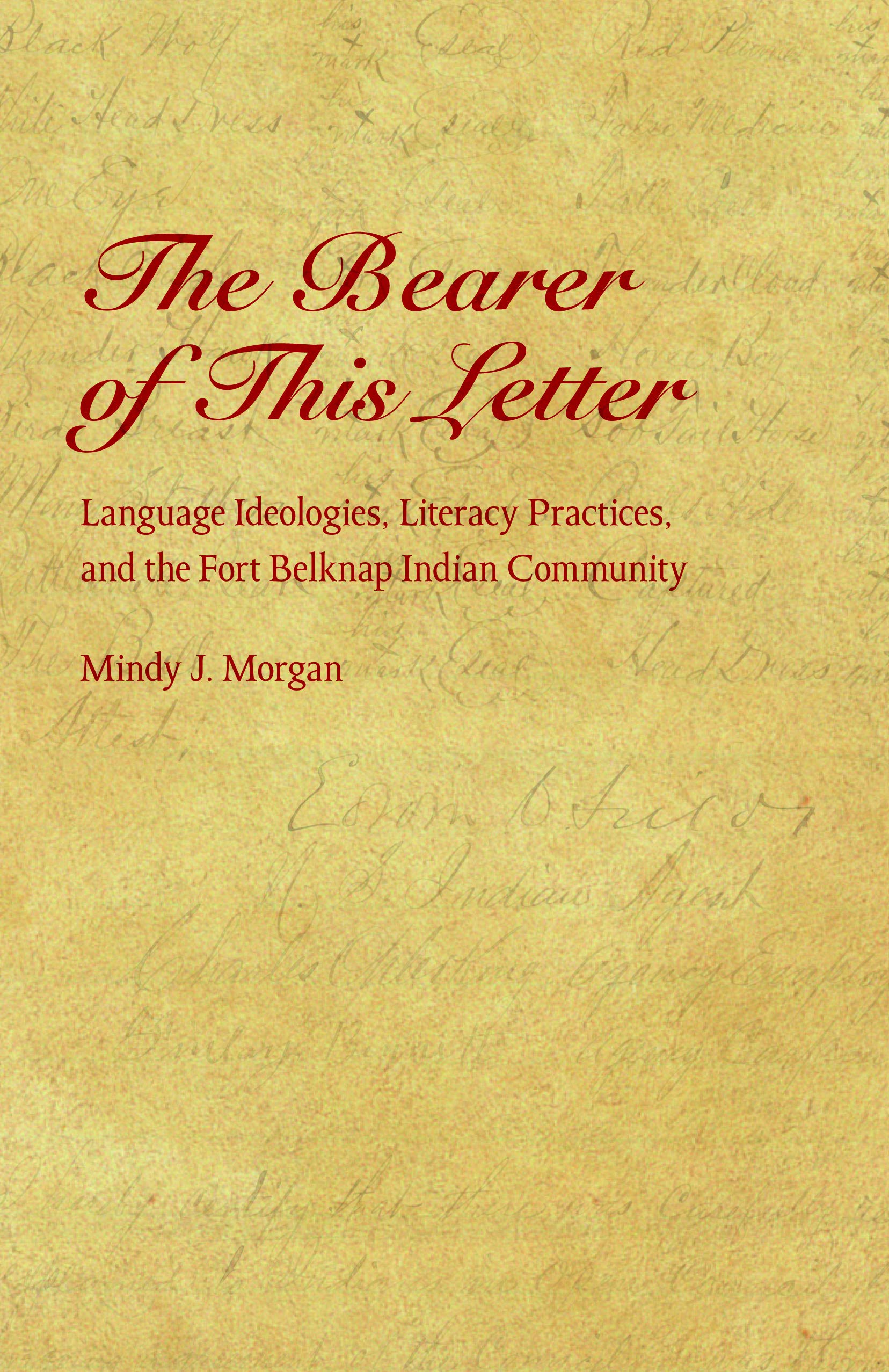
The Bearer Of This Letter: Language Ideologies, Literacy Practices, And The Fort Belknap Indian Community (Indigenous Education),Used
Sold by Ergodebooks, an authorized reseller.
Returns accepted within 30 days | support@ergodebooks.com
Shipping Information
- Free Standard Shipping — United States only
- Processing Time: 3–5 business days
- Estimated Delivery: 6–10 business days after dispatch
- Double-boxed, fully insured & discreetly packaged
- Tracking number sent via email once dispatched
Returns & Refund
Returns accepted within 30 days of delivery.
Damaged or Defective Item
Free return shipping + replacement or full refund
Wrong Item Received
Free return shipping + replacement or full refund
Change of Mind
Return shipping at customer's expense · 25% restocking fee applies
Payment Option

The Bearer of This Letter illuminates the enduring effects of colonialism by examining the decadeslong tension between written words and spoken words in a reservation community. Drawing on archival sources and her own extensive work in the community, Mindy J. Morgan investigates how historical understandings of literacy practices challenge current Indigenous language revitalization efforts on the Fort Belknap Reservation in Montana.Created in 1887, Fort Belknap is home to the Gros Ventre and Assiniboine peoples. The history of these two peoples over the past century is a common one among Indigenous groups, with religious and federal authorities aggressively promoting the use of English at the expense of the local Indigenous languages. Morgan suggests that such efforts at the assimilation of Indigenous peoples had a farreaching and not fully appreciated consequence. Through a close reading of federal, local, and missionary records at Fort Belknap, Morgan demonstrates how the government used documents as a means of restructuring political and social life as well as regulating access to resources during the late nineteenth and early twentieth centuries. As a result, the residents of Fort Belknap began to use written English as a means of negotiating with the government and when arguing for structural change during the early reservation period while maintaining distinct arenas for Indigenous language use. These linguistic practices have significantly shaped the communitys perceptions of the utility of writing and continue to play a central role in contemporary language programs that increasingly rely on standardized orthographies for Indigenous language programs.
⚠️ WARNING (California Proposition 65):
This product may contain chemicals known to the State of California to cause cancer, birth defects, or other reproductive harm.
For more information, please visit www.P65Warnings.ca.gov.