
Title
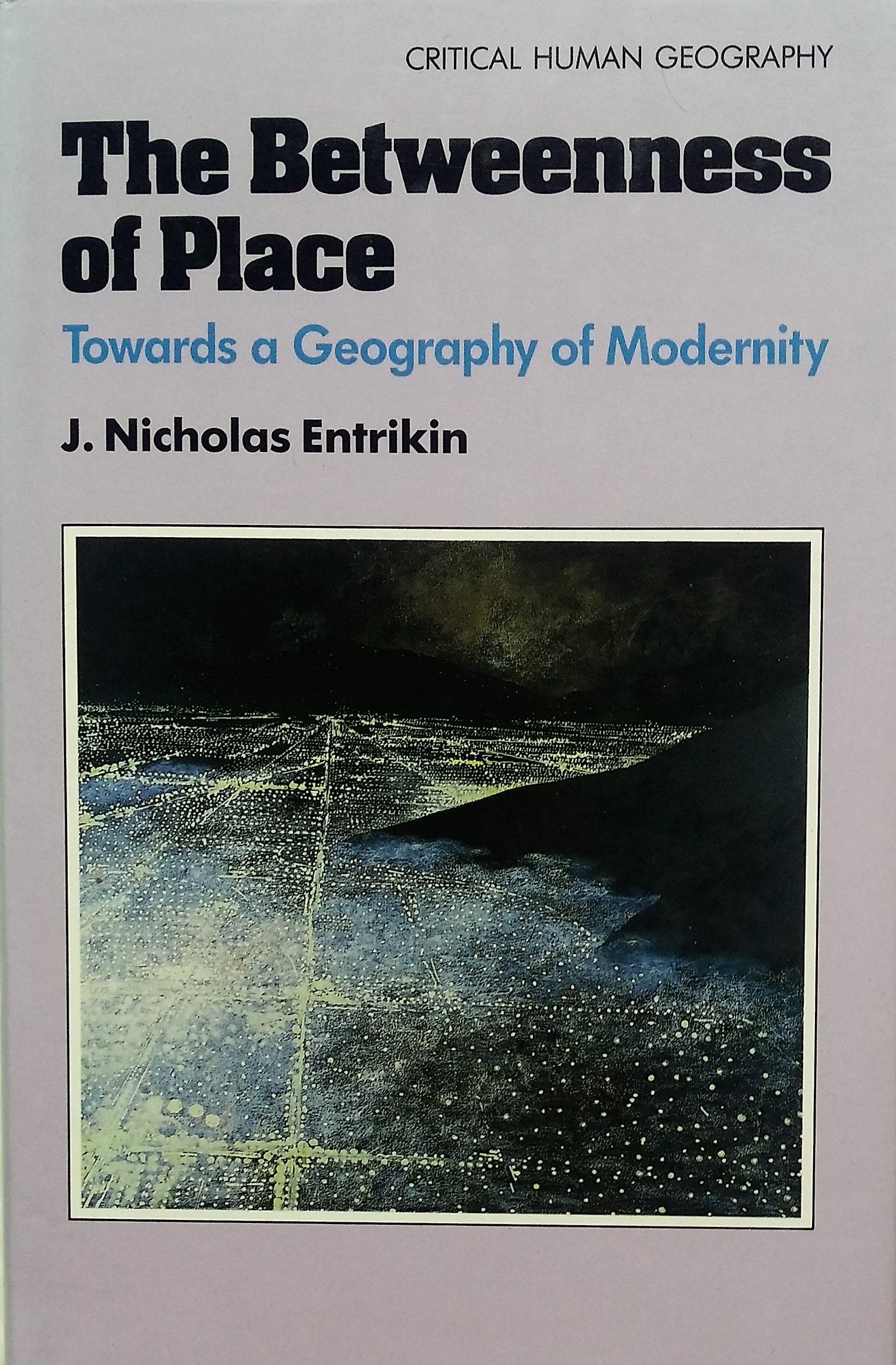
The Betweenness of Place: Towards a Geography of Modernity,Used
Sold by Ergodebooks, an authorized reseller.
Returns accepted within 30 days | support@ergodebooks.com
Shipping Information
- Free Standard Shipping — United States only
- Processing Time: 3–5 business days
- Estimated Delivery: 6–10 business days after dispatch
- Double-boxed, fully insured & discreetly packaged
- Tracking number sent via email once dispatched
Returns & Refund
Returns accepted within 30 days of delivery.
Damaged or Defective Item
Free return shipping + replacement or full refund
Wrong Item Received
Free return shipping + replacement or full refund
Change of Mind
Return shipping at customer's expense · 25% restocking fee applies
Payment Option

What makes New York City different from Moscow? Are small towns looking more and more alike? What criteria should we use to distinguish one place from another? Today, geographers and other social scientists are debating not only the answers to these sorts of questions but even whether or not to ask them at all. This ongoing controversy about how (or whether) to study place and its meaning in modern life forms the focus of J. Nicholas Entrikin's pioneering work.Those who point to a decline in the study of place in geography, Entrikin explains, cite three main causes: the apparent homogenization of world culture; the belief that studying particular places is somehow "parochial;" and the tendency of the scientific method to generalize. Entrikin treats each of these in turn, addressing topics that include the Marxist view of a world economy, the moral implications of place (in such notions as community and provincialism), and the empiricist versus neoKantian traditions in philosophy.To geographers arguing the merits of hard, scientific data versus subjective experience, Entrikin offers a compromise. "To understand place," he suggests, "requires that we have access to both an objective and a subjective reality. From the decentered vantage point of the theoretical scientist, place becomes either location or a set of generic relations and loses much of its significance for human action. From the centered viewpoint of the subjective self, place has meaning only in relation to one's own goals and concerns. Place is best viewed from points inbetween."
⚠️ WARNING (California Proposition 65):
This product may contain chemicals known to the State of California to cause cancer, birth defects, or other reproductive harm.
For more information, please visit www.P65Warnings.ca.gov.