
Title
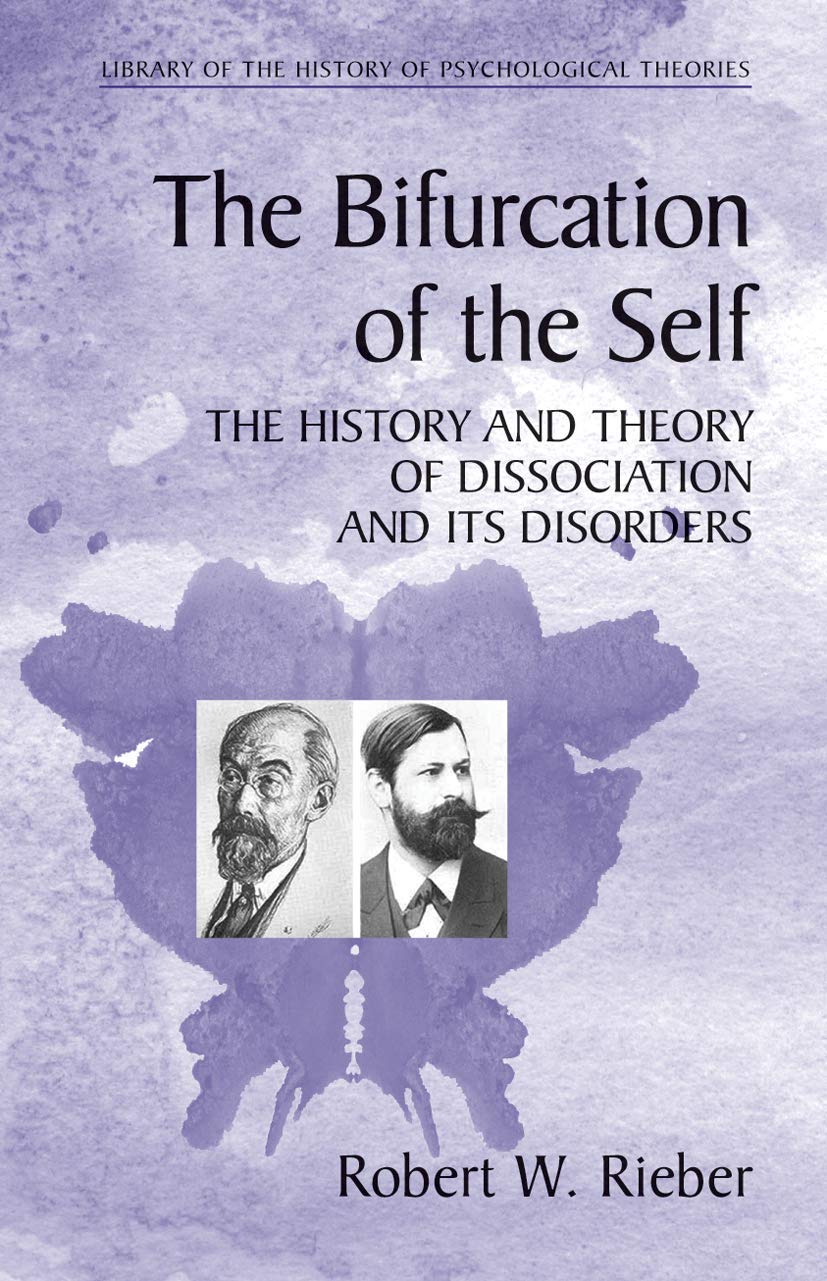
The Bifurcation of the Self: The History and Theory of Dissociation and Its Disorders (Library of the History of Psychological T,New
Sold by Ergodebooks, an authorized reseller.
Returns accepted within 30 days | support@ergodebooks.com
Shipping Information
- Free Standard Shipping — United States only
- Processing Time: 3–5 business days
- Estimated Delivery: 6–10 business days after dispatch
- Double-boxed, fully insured & discreetly packaged
- Tracking number sent via email once dispatched
Returns & Refund
Returns accepted within 30 days of delivery.
Damaged or Defective Item
Free return shipping + replacement or full refund
Wrong Item Received
Free return shipping + replacement or full refund
Change of Mind
Return shipping at customer's expense · 25% restocking fee applies
Payment Option

For more than a hundred years, dissociative states, sometimes referred to as multiple personality disorder, have fascinated the public as well as scientists. The precise nature of this disorder is a controversial one, dividing clinicians, theorists, and researchers. Challenging the conventional wisdom on all sides, Robert Riebers Bifurcation of the Self traces the clinical and social history of dissociation in a provocative examination of this widely debated phenomenon.At the core of this history is a trio of related evolutionshypnosis, concepts of identity, and dissociationbeginning with nineteenthcentury 'hysterics' and culminating in the modern boom in Dissociative Identity Disorder (DID) diagnoses and the parallel rise in childhood abuse/repressed memory cases. Rieber does not argue the nonexistence of DID; rather he asserts that it is a rare disorder exaggerated by dissociation advocates and exploited by the media. In doing so, he takes on some of the most difficult questions in the field: How crucial is memory to a persons identity? Can two or more autonomous personalities actually exist in the same body? If trauma causes dissociation, why arent there more DID cases? Why are DID cases prevalent in some eras but not in others? Does dissociative disorder belong in the DSM?The book is rigorously illustrated with two centuries worth of famous cases including Christine Beauchamp, Ansel Bourne, Eve Black/Eve White, and most notably the woman known as 'Sybil', whose story is covered in depth with newly revealed manuscripts. And Rieber reviews the current state of DIDrelated controversy, from the professionals who feel that the condition is underreported to those who consider it a form of malingering, so that readers may draw their own conclusions.
⚠️ WARNING (California Proposition 65):
This product may contain chemicals known to the State of California to cause cancer, birth defects, or other reproductive harm.
For more information, please visit www.P65Warnings.ca.gov.