If you have any questions, you are always welcome to contact us. We'll get back to you as soon as possible, withing 24 hours on weekdays.
Customer service
All questions about your order, return and delivery must be sent to our customer service team by e-mail at yourstore@yourdomain.com
Sale & Press
If you are interested in selling our products, need more information about our brand or wish to make a collaboration, please contact us at press@yourdomain.com
Help
If you have any questions, you are always welcome to contact us. We'll get back to you as soon as possible, withing 24 hours on weekdays.
Customer service
All questions about your order, return and delivery must be sent to our customer service team by e-mail at yourstore@yourdomain.com
Sale & Press
If you are interested in selling our products, need more information about our brand or wish to make a collaboration, please contact us at press@yourdomain.com
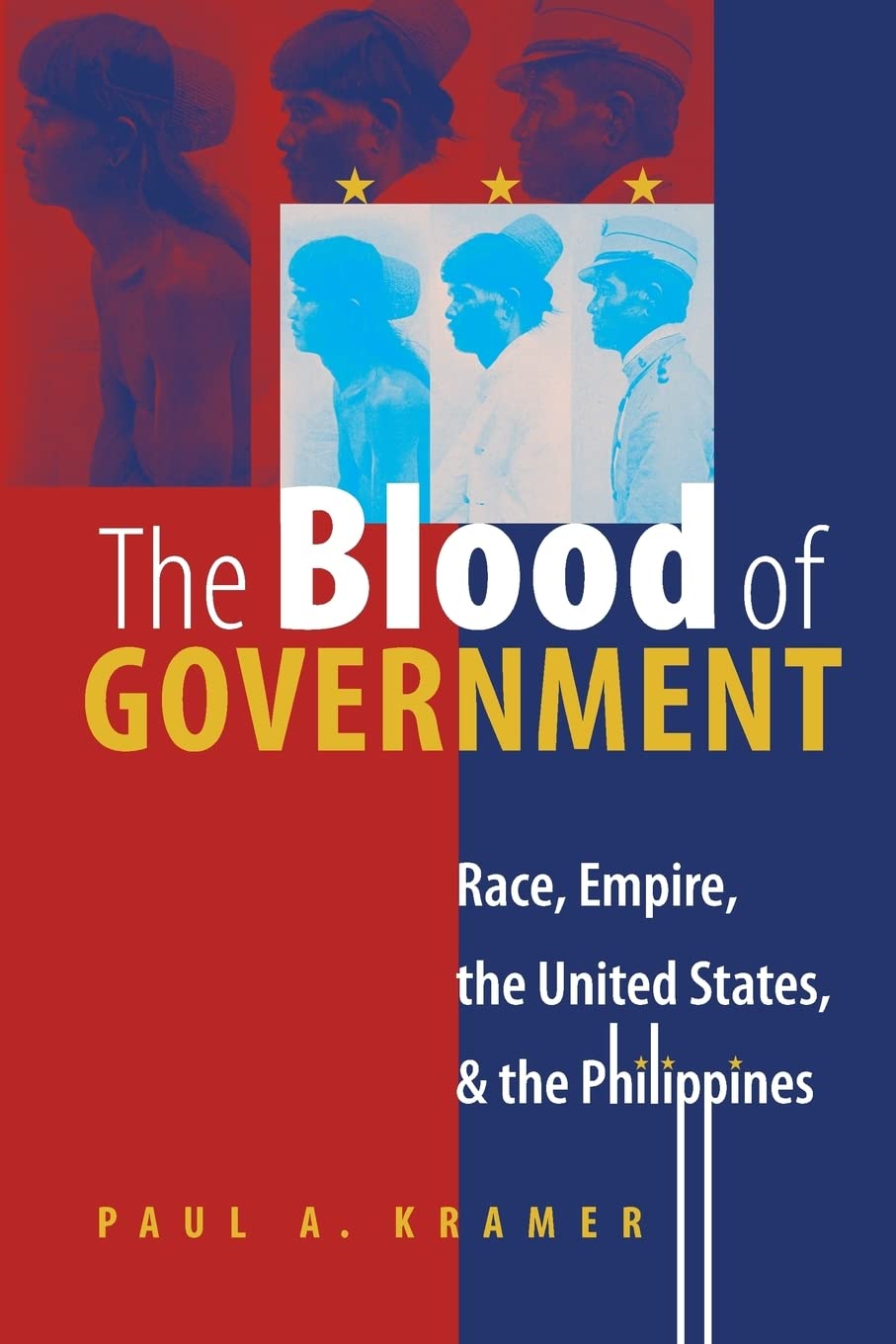
In 1899 The United States, Having Announced Its Arrival As A World Power During The Spanishcubanamerican War, Inaugurated A Brutal War Of Imperial Conquest Against The Philippine Republic. Over The Next Five Decades, U.S. Imperialists Justified Their Colonial Empire By Crafting Novel Racial Ideologies Adapted To New Realities Of Collaboration And Anticolonial Resistance. In This Pathbreaking, Transnational Study, Paul A. Kramer Reveals How Racial Politics Served U.S. Empire, And How Empirebuilding In Turn Transformed Ideas Of Race And Nation In Both The United States And The Philippines.Kramer Argues That Philippineamerican Colonial History Was Characterized By Struggles Over Sovereignty And Recognition. In The Wake Of A Racialexterminist War, U.S. Colonialists, In Dialogue With Filipino Elites, Divided The Philippine Population Into 'Civilized' Christians And 'Savage' Animists And Muslims. The Former Were Subjected To A Calibrated Colonialism That Gradually Extended Them Selfgovernment As They Demonstrated Their 'Capacities.' The Latter Were Governed First By Americans, Then By Christian Filipinos Who Had Proven Themselves Worthy Of Shouldering The 'White Man'S Burden.' Ultimately, However, This Racial Vision Of Imperial Nationbuilding Collided With U.S. Nativist Efforts To Insulate The United States From Its Colonies, Even At The Cost Of Philippine Independence. Kramer Provides An Innovative Account Of The Global Transformations Of Race And The Centrality Of Empire To Twentiethcentury U.S. And Philippine Histories.
⚠️ WARNING (California Proposition 65):
This product may contain chemicals known to the State of California to cause cancer,
birth defects, or other reproductive harm.
For MAP (Minimum Advertised Price) violations and Intellectual Property (IP) or Trademark concerns, please contact:
support@ergodebooks.com
⚠️ California Proposition 65 Warning: Some products sold on this website may expose you to chemicals known to the State of California to cause cancer, birth defects, or other reproductive harm. For more information, visit www.P65Warnings.ca.gov.