
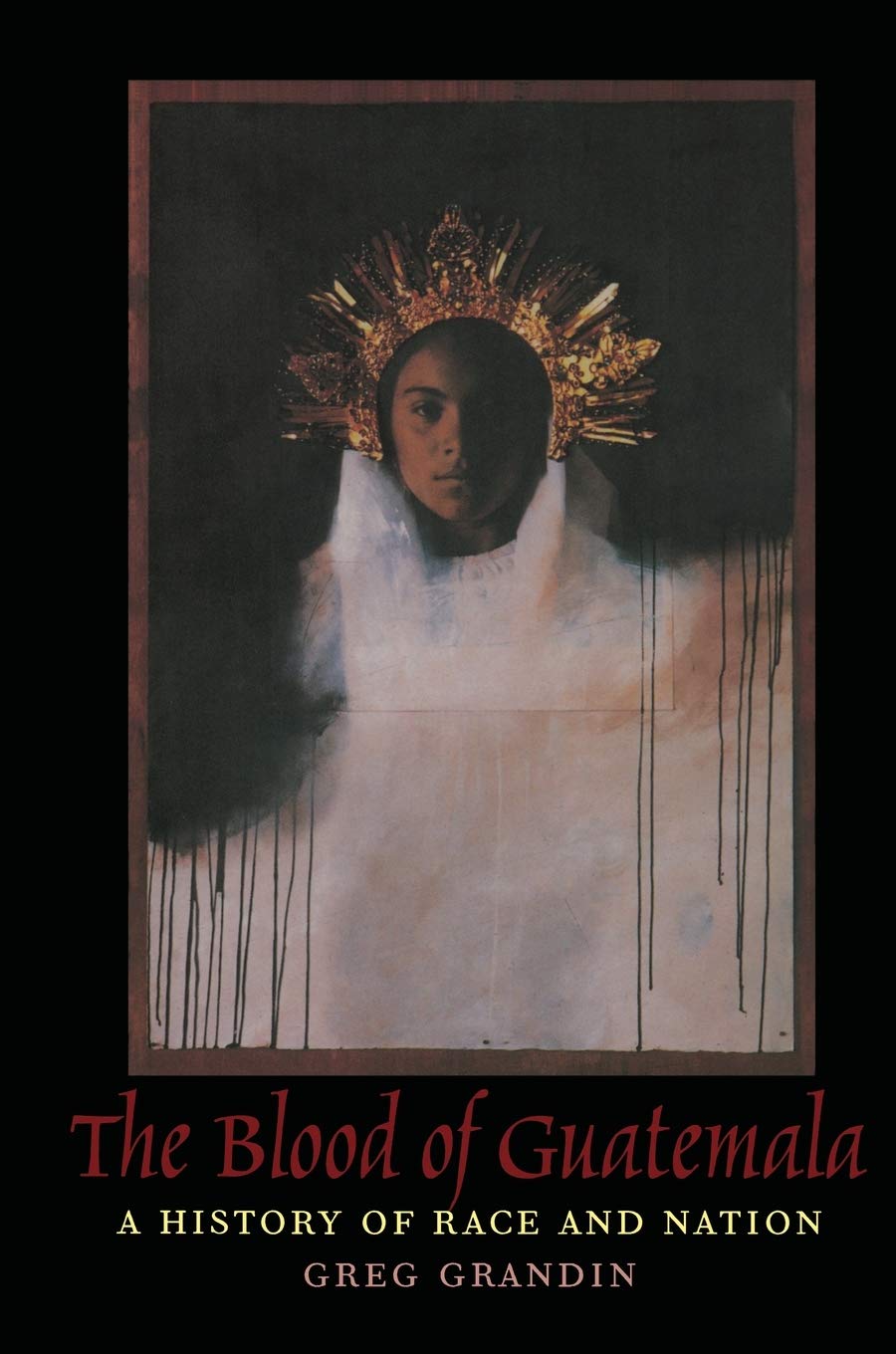
Title
The Blood Of Guatemala: A History Of Race And Nation (Latin America Otherwise)
Sold by Ergodebooks, an authorized reseller.
Returns accepted within 30 days | support@ergodebooks.com
Shipping Information
- Free Standard Shipping — United States only
- Processing Time: 3–5 business days
- Estimated Delivery: 6–10 business days after dispatch
- Double-boxed, fully insured & discreetly packaged
- Tracking number sent via email once dispatched
Returns & Refund
Returns accepted within 30 days of delivery.
Damaged or Defective Item
Free return shipping + replacement or full refund
Wrong Item Received
Free return shipping + replacement or full refund
Change of Mind
Return shipping at customer's expense · 25% restocking fee applies
Payment Option

Over The Latter Half Of The Twentieth Century, The Guatemalan State Slaughtered More Than Two Hundred Thousand Of Its Citizens. In The Wake Of This Violence, A Vibrant Panmayan Movement Has Emerged, One That Is Challenging Ladino (Nonindigenous) Notions Of Citizenship And National Identity. In The Blood Of Guatemala Greg Grandin Locates The Origins Of This Ethnic Resurgence Within The Social Processes Of Eighteenth And Nineteenthcentury State Formation Rather Than In The Ruins Of The National Project Of Recent Decades.Focusing On Mayan Elites In The Community Of Quetzaltenango, Grandin Shows How Their Efforts To Maintain Authority Over The Indigenous Population And Secure Political Power In Relation To Nonindians Played A Crucial Role In The Formation Of The Guatemalan Nation. To Explore The Close Connection Between Nationalism, State Power, Ethnic Identity, And Political Violence, Grandin Draws On Sources As Diverse As Photographs, Public Rituals, Oral Testimony, Literature, And A Collection Of Previously Untapped Documents Written During The Nineteenth Century. He Explains How The Cultural Anxiety Brought About By Guatemalas Transition To Coffee Capitalism During This Period Led Mayan Patriarchs To Develop Understandings Of Race And Nation That Were Contrary To Ladino Notions Of Assimilation And Progress. This Alternative National Vision, However, Could Not Take Hold In A Country Plagued By Class And Ethnic Divisions. In The Years Prior To The 1954 Coup, Class Conflict Became Impossible To Contain As The Elites Violently Opposed Land Claims Made By Indigenous Peasants.This History Of Power Reconsiders The Way Scholars Understand The History Of Guatemala And Will Be Relevant To Those Studying Nation Building And Indigenous Communities Across Latin America.
⚠️ WARNING (California Proposition 65):
This product may contain chemicals known to the State of California to cause cancer, birth defects, or other reproductive harm.
For more information, please visit www.P65Warnings.ca.gov.
- Q: What is the page count of this book? A: This book has three hundred sixty-eight pages. It provides an in-depth exploration of Guatemalan history and national identity.
- Q: What is the binding type of this book? A: The binding type is paperback. This makes it flexible and lightweight for easy handling.
- Q: Who is the author of 'The Blood of Guatemala'? A: The author is Greg Grandin. He is known for his scholarly work on history and politics in Latin America.
- Q: What are the dimensions of this book? A: The dimensions are six inches in length, zero point seventy-five inches in width, and nine point twenty-five inches in height. These measurements make it a standard-sized book for easy reading.
- Q: What genre does this book belong to? A: This book belongs to the historical non-fiction genre. It focuses on the themes of race, nation, and identity in Guatemala.
- Q: How does this book approach the topic of Guatemalan history? A: The book examines the connections between nationalism, state power, and ethnic identity. It uses a variety of sources to provide a comprehensive view.
- Q: Can this book be used as a reference for academic studies? A: Yes, it is suitable for academic studies. The detailed analysis and diverse sources make it a valuable resource for scholars.
- Q: Is this book appropriate for young readers? A: This book is more suitable for adult readers and older teens. It covers complex themes of violence and identity.
- Q: How should I store this book to keep it in good condition? A: Store the book upright in a cool, dry place. Avoid exposing it to direct sunlight to prevent fading.
- Q: What is the recommended care for this paperback book? A: Keep it away from moisture and extreme temperatures. Handle it gently to avoid creases or tears.
- Q: Is there a return policy if I don't like the book? A: Yes, there is typically a return policy for unsatisfied customers. Check the seller's specific return guidelines.
- Q: What if the book arrives damaged? A: If the book arrives damaged, contact the seller immediately to arrange for a return or exchange.
- Q: How can this book help in understanding indigenous issues? A: This book offers insights into the struggles of indigenous communities in Guatemala, providing historical context to current issues.
- Q: Are there any unique features in this book? A: Yes, it includes previously untapped documents and diverse sources like photographs and oral testimonies, enhancing its depth.
- Q: What other topics does this book cover besides race? A: In addition to race, it discusses nationalism, state power, and political violence in Guatemala's history.
- Q: Is 'The Blood of Guatemala' suitable for non-specialists? A: Yes, it can be understood by non-specialists interested in history and social issues, while still providing scholarly insight.