
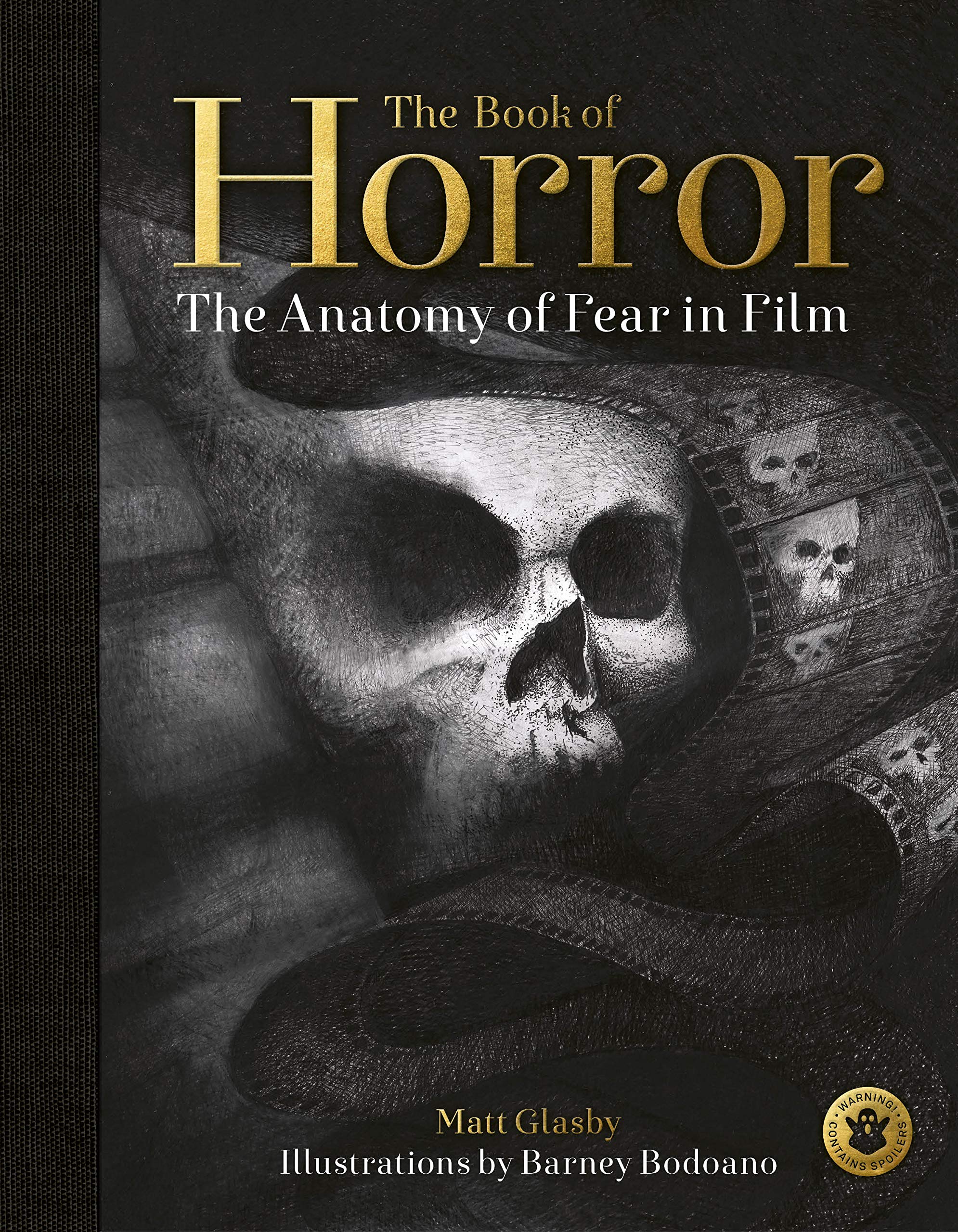
Title
The Book Of Horror: The Anatomy Of Fear In Film
Sold by Ergodebooks, an authorized reseller.
Returns accepted within 30 days | support@ergodebooks.com
Shipping Information
- Free Standard Shipping — United States only
- Processing Time: 3–5 business days
- Estimated Delivery: 6–10 business days after dispatch
- Double-boxed, fully insured & discreetly packaged
- Tracking number sent via email once dispatched
Returns & Refund
Returns accepted within 30 days of delivery.
Damaged or Defective Item
Free return shipping + replacement or full refund
Wrong Item Received
Free return shipping + replacement or full refund
Change of Mind
Return shipping at customer's expense · 25% restocking fee applies
Payment Option

'... The Definitive Guide To What Properly Messes Us Up.' Sfx Magazine'Glasby Anatomises Horror'S Scare Tactics With Keen, Lucid Clarity Across 34 Carefully Selected Main Films Classic And Pleasingly Obscure. 4 Stars.' Total Filmthe Book Of Horror Introduces You To The Scariest Movies Ever Made And Examines What Makes Them So Frightening.Horror Movies Have Never Been More Critically Or Commercially Successful, But Theres Only One Metric That Matters: Are They Scary? Back In The Silent Era, Viewers Thrilled At Frankenstein And Dracula. Today, The Monsters May Have Changed, But The Instinct Remains The Same: To Seek Out The Unspeakable, Ride The Adrenaline Rush And Play Out Our Fears In The Safety Of The Cinema.The Book Of Horror Focuses On The Most Frightening Films Of The Postwar Era From Psycho (1960) To It Chapter Two (2019) Examining Exactly How They Scare Us Across A Series Of Key Categories. Each Chapter Explores A Seminal Horror Film In Depth, Charting Its Scariest Moments With Infographics And Identifying The Related Works You Need To See.Including References To More Than 100 Classic And Contemporary Horror Films From Around The Globe, And Striking Illustrations From Barney Bodoano, This Is A Rich And Compelling Guide To The Scariest Films Ever Made.The Films:Psycho (1960), The Innocents (1961), The Haunting (1963), Dont Look Now (1973), The Exorcist (1973), The Texas Chain Saw Massacre (1974), Who Can Kill A Child? (1976), Suspiria (1977), Halloween (1978), The Shining (1980), The Entity (1982), Angst (1983), Henry: Portrait Of A Serial Killer (1990), Ring (1998), The Blair Witch Project (1999), The Others (2001), The Eye (2002), Juon: The Grudge (2002), Shutter (2004), The Descent (2005), Wolf Creek (2005), The Orphanage (2007), [Rec] (2007), The Strangers (2008), Lake Mungo (2008), Martyrs (2008), The Innkeepers (2011), Banshee Chapter (2013), Oculus (2013), The Babadook (2014), It Follows (2015), Terrified (2017), Hereditary (2018), It Chapter Two (2019)
⚠️ WARNING (California Proposition 65):
This product may contain chemicals known to the State of California to cause cancer, birth defects, or other reproductive harm.
For more information, please visit www.P65Warnings.ca.gov.
- Q: What are the dimensions of 'The Book of Horror'? A: The book measures seven point eight three inches in length, zero point nine four inches in width, and ten inches in height. These dimensions make it a convenient size for display on bookshelves or for reading.
- Q: How many pages does 'The Book of Horror' have? A: The book contains one hundred seventy-six pages. This length allows for a comprehensive exploration of horror films without overwhelming the reader.
- Q: What type of binding does 'The Book of Horror' have? A: This book is bound in hardcover. Hardcover binding offers durability and a premium feel, making it a great addition to any collection.
- Q: Who is the author of 'The Book of Horror'? A: The author of the book is Matt Glasby. He provides insightful analysis and commentary on horror cinema throughout the text.
- Q: What is the main theme of 'The Book of Horror'? A: The main theme is the examination of fear in film, specifically horror movies. It delves into what makes these films so frightening and effective.
- Q: Is 'The Book of Horror' suitable for children? A: No, this book is not suitable for children due to its adult themes and content related to horror films. It is recommended for mature readers.
- Q: How can I use 'The Book of Horror' effectively? A: You can read 'The Book of Horror' as a guide to understanding horror films and their scare tactics. It's also beneficial for film studies or casual reading for horror enthusiasts.
- Q: Is there any specific audience this book is targeted at? A: Yes, the book is primarily targeted at horror film fans and film students. It offers in-depth analysis that appeals to both casual viewers and serious cinephiles.
- Q: What age group is 'The Book of Horror' appropriate for? A: The book is intended for adult readers. It contains themes and discussions that are more suitable for a mature audience.
- Q: How should I care for 'The Book of Horror' to keep it in good condition? A: To maintain the book's condition, store it upright in a cool, dry place and avoid exposure to direct sunlight. You can dust the cover gently with a soft cloth.
- Q: Can I return 'The Book of Horror' if I am not satisfied? A: Yes, you can return the book if you are not satisfied, provided you follow the retailer's return policy. Check with the seller for specific return instructions.
- Q: What should I do if 'The Book of Horror' arrives damaged? A: If the book arrives damaged, contact the seller immediately to report the issue and request a replacement or refund. Include photos of the damage for reference.
- Q: Is there an option for digital versions of 'The Book of Horror'? A: Yes, there may be digital versions available depending on the retailer. Check online platforms for eBook options.
- Q: How does 'The Book of Horror' compare to other horror film guides? A: This book focuses on a unique analysis of fear tactics across selected films, making it distinct from other guides that may simply list movie recommendations.
- Q: Are there illustrations in 'The Book of Horror'? A: Yes, the book includes striking illustrations from artist Barney Bodoano. These visuals enhance the reader's experience and understanding of the content.