
Title
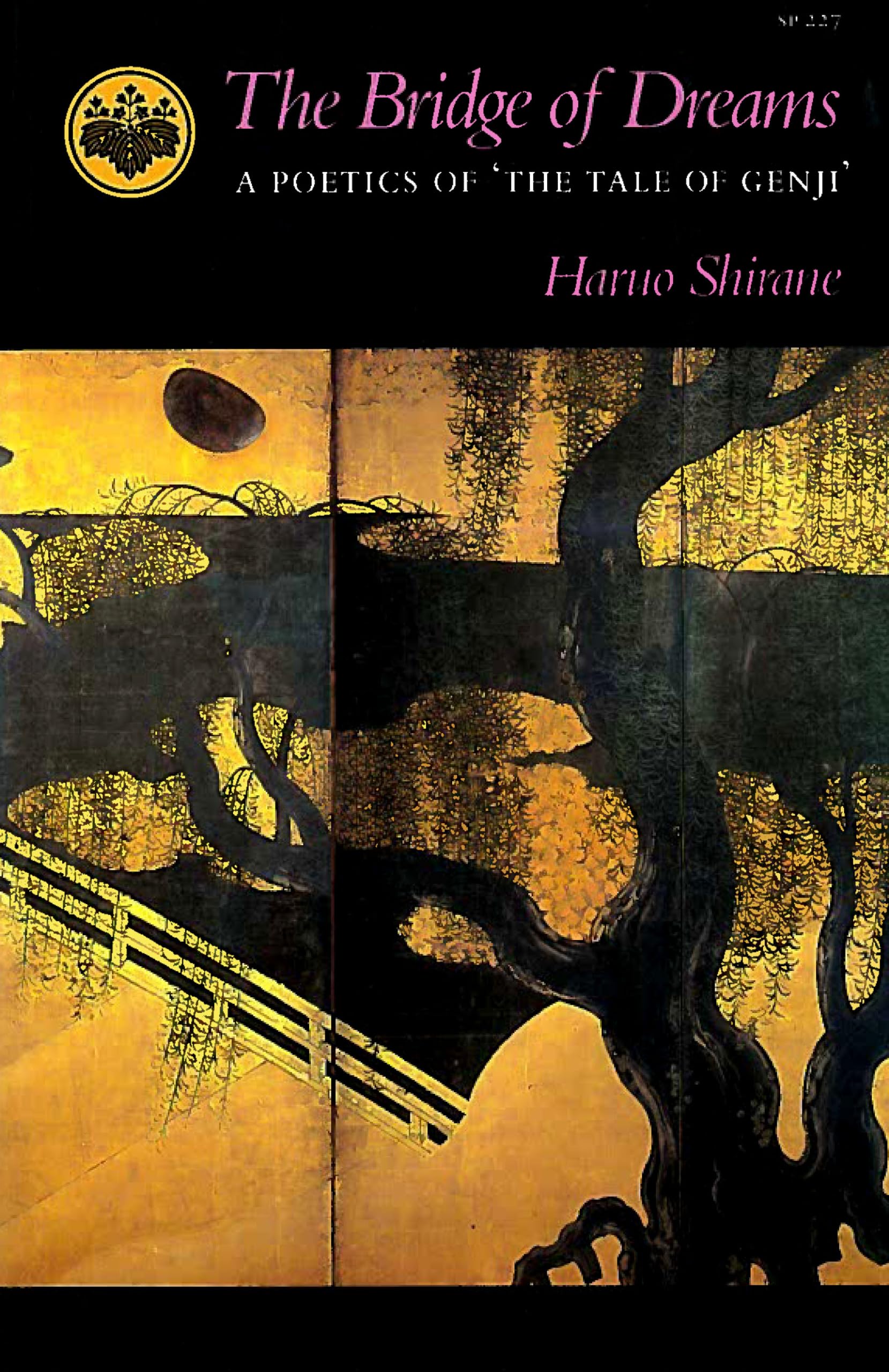
The Bridge Of Dreams: A Poetics Of The Tale Of Genji,Used
Sold by Ergodebooks, an authorized reseller.
Returns accepted within 30 days | support@ergodebooks.com
Shipping Information
- Free Standard Shipping — United States only
- Processing Time: 3–5 business days
- Estimated Delivery: 6–10 business days after dispatch
- Double-boxed, fully insured & discreetly packaged
- Tracking number sent via email once dispatched
Returns & Refund
Returns accepted within 30 days of delivery.
Damaged or Defective Item
Free return shipping + replacement or full refund
Wrong Item Received
Free return shipping + replacement or full refund
Change of Mind
Return shipping at customer's expense · 25% restocking fee applies
Payment Option

The Bridge of Dreams is a brilliant reading of The Tale of Genji that succeeds both as a sophisticated work of literary criticism and as an introduction this world masterpiece. Taking account of current literary theory and a long tradition of Japanese commentary, the author guides both the general reader and the specialist to a new appreciation of the structure and poetics of this complex and often seemingly baffling work. The Tale of Genji, written in the early eleventh century by a court lady, Murasaki Shikibu, is Japan's most outstanding work of prose fiction. Though bearing a striking resemblance to the modern psychological novel, the Genji was not conceived and written as a single work and then published and distributed to a mass audience as novels are today. Instead, it was issued in limited installments, sequence by sequence, to an extremely circumscribed, aristocratic audience. This study discusses the growth and evolution of the Genji and the manner in which recurrent concernspolitical, social, and religiousare developed, subverted, and otherwise transformed as the work evolves from one stage to another. Throughout, the author analyzes the Genji in the context of those literary works and conventions that Murasaki explicitly or implicitly presupposed her contemporary audience to know, and reveals how the Genji works both within and against the larger literary and sociopolitical tradition. The book contains a color frontispiece by a seventeenthcentury artist and eight pages of blackandwhite illustrations from a twelfthcentury scroll. Two appendixes present an analysis of biographical and textual problems and a detailed index of principal characters.
⚠️ WARNING (California Proposition 65):
This product may contain chemicals known to the State of California to cause cancer, birth defects, or other reproductive harm.
For more information, please visit www.P65Warnings.ca.gov.