
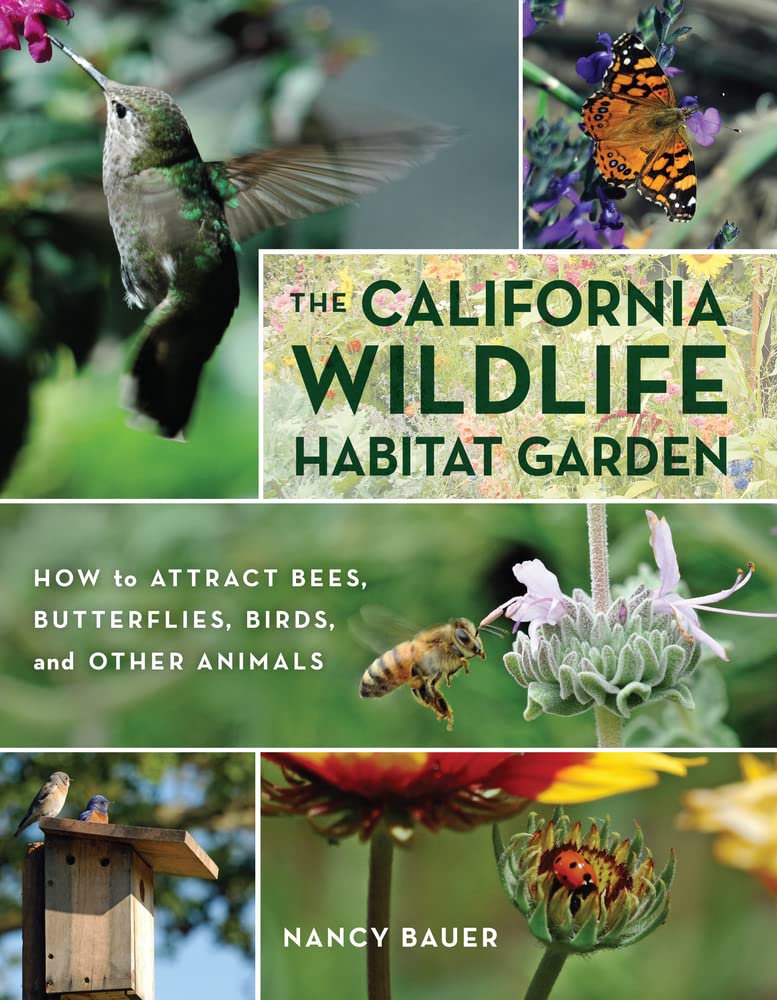
Title
The California Wildlife Habitat Garden: How To Attract Bees, Butterflies, Birds, And Other Animals
Sold by Ergodebooks, an authorized reseller.
Returns accepted within 30 days | support@ergodebooks.com
Shipping Information
- Free Standard Shipping — United States only
- Processing Time: 3–5 business days
- Estimated Delivery: 6–10 business days after dispatch
- Double-boxed, fully insured & discreetly packaged
- Tracking number sent via email once dispatched
Returns & Refund
Returns accepted within 30 days of delivery.
Damaged or Defective Item
Free return shipping + replacement or full refund
Wrong Item Received
Free return shipping + replacement or full refund
Change of Mind
Return shipping at customer's expense · 25% restocking fee applies
Payment Option

This Attractive, Practical Guide Explains How To Transform Backyard Gardens Into Living Ecosystems That Are Not Only Enjoyable Retreats For Humans, But Also Thriving Sanctuaries For Wildlife. Beautifully Illustrated With Fullcolor Photographs, This Book Provides Easytofollow Recommendations For Providing Food, Cover, And Water For Birds, Bees, Butterflies, And Other Small Animals. Emphasizing Individual Creativity Over Conventional Design, Bauer Asks Us To Consider The Intricate Relationships Between Plants And Wildlife And Our Changing Role As Steward, Rather Than Manipulator, Of These Relationships.In An Engaging Narrative That Endorses Simple And Inexpensive Methods Of Wildlife Habitat Gardening, Nancy Bauer Discusses Practices Such As Recycling Plant Waste On Site, Using Permeable Pathways, Growing Regionally Appropriate Plants, And Avoiding Chemical Fertilizers And Insecticides. She Suggests Ways Of Attracting Pollinators Through Planting Choices And Offers Ideas For Building Water Sources And Shelters For Wildlife. A Plant Resource Guide, Tips For Propagating Plants, Seasonal Plants For Hummingbirds, And Host Plants For Butterflies Round Out The California Wildlife Habitat Garden, Making It An Indispensable Primer For Those About To Embark On Creating Their Own Biologically Diverse, Environmentally Friendly Garden.
⚠️ WARNING (California Proposition 65):
This product may contain chemicals known to the State of California to cause cancer, birth defects, or other reproductive harm.
For more information, please visit www.P65Warnings.ca.gov.
- Q: How many pages does the book have? A: This book has two hundred forty-eight pages. It provides comprehensive insights into creating wildlife-friendly gardens.
- Q: What is the binding type of the book? A: The binding type is paperback. This makes it lightweight and easy to handle for outdoor use.
- Q: What are the dimensions of the book? A: The dimensions are seven point zero one inches in length, zero point seventy-one inches in width, and nine point zero two inches in height. These measurements make it a portable guide.
- Q: Who is the author of the book? A: The author is Nancy Bauer. She specializes in wildlife gardening and shares her expertise in this guide.
- Q: What is the main focus of the book? A: The book focuses on attracting wildlife to gardens. It emphasizes creating ecosystems that support bees, butterflies, and birds.
- Q: How do I attract wildlife to my garden? A: You can attract wildlife by planting native species and providing food, water, and shelter. The book offers specific tips and plant recommendations.
- Q: Is this book suitable for beginners in gardening? A: Yes, this book is suitable for beginners. It provides simple, easy-to-follow methods for creating wildlife habitats.
- Q: Can I use this book for organic gardening? A: Yes, the book advocates for organic gardening practices. It encourages avoiding chemical fertilizers and focusing on natural methods.
- Q: What gardening practices does the book recommend? A: The book recommends practices like recycling plant waste, growing regionally appropriate plants, and creating water sources for wildlife.
- Q: How should I care for this book? A: To care for the book, keep it in a dry place and avoid exposure to direct sunlight. This will help preserve its quality.
- Q: Is the book safe for children? A: Yes, the book is safe for children. It promotes an interest in nature and gardening in an engaging way.
- Q: What if I receive a damaged book? A: If you receive a damaged book, you can contact the seller for a return or exchange. It's important to address any issues promptly.
- Q: Does the book include a plant resource guide? A: Yes, the book includes a plant resource guide. It lists plants that attract various wildlife, enhancing your gardening experience.
- Q: Are there seasonal recommendations in the book? A: Yes, the book includes seasonal recommendations for planting. It highlights plants that are best suited for different times of the year.
- Q: What makes this book a good choice for wildlife gardening? A: This book is a good choice due to its practical advice, beautiful illustrations, and focus on biodiversity in gardening.
- Q: Can I use this book to create a garden for pollinators? A: Yes, the book provides specific strategies for attracting pollinators like bees and butterflies, making it a valuable resource.