
Title
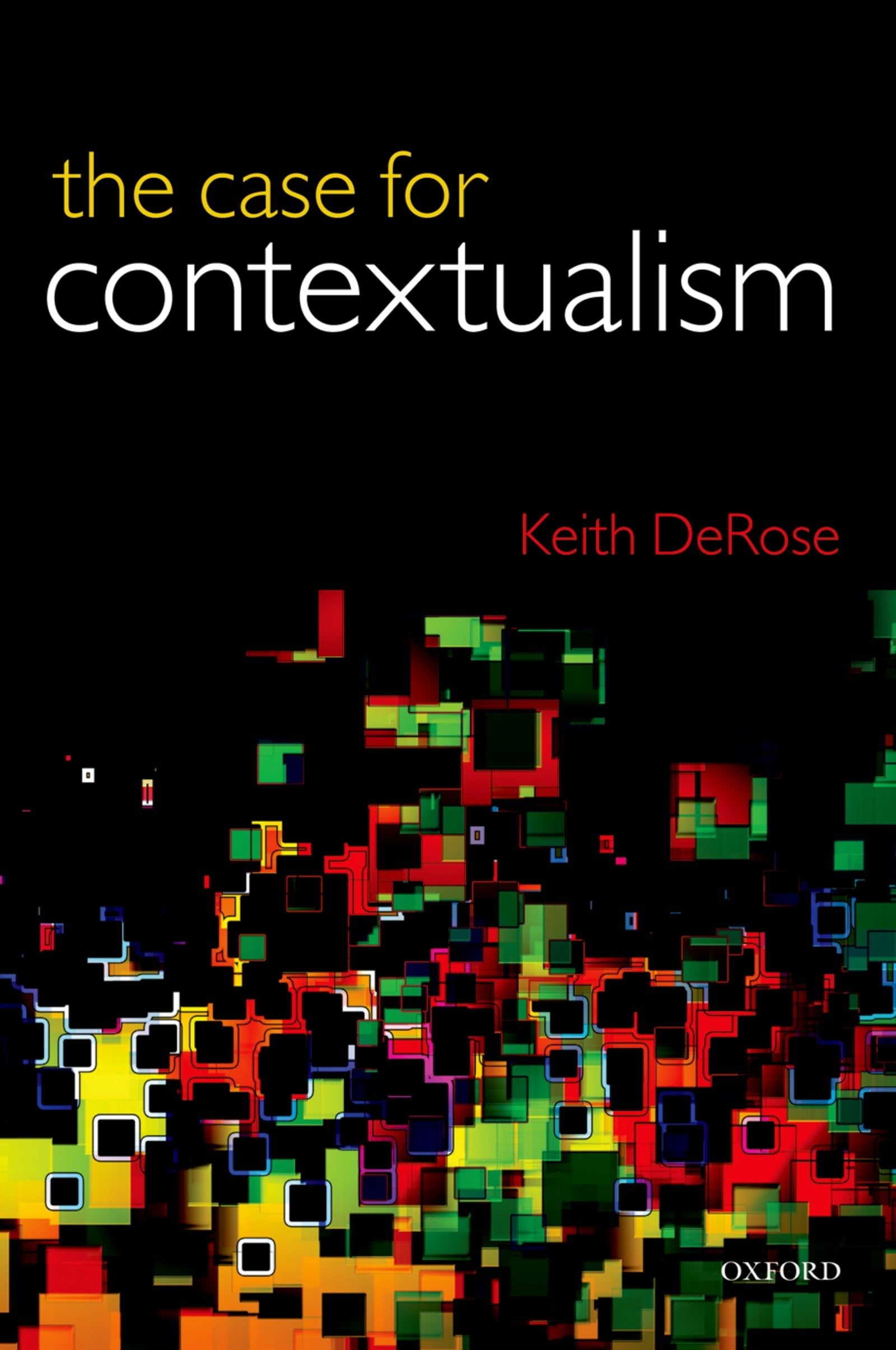
The Case For Contextualism: Knowledge, Skepticism, And Context, Vol. 1
Sold by Ergodebooks, an authorized reseller.
Returns accepted within 30 days | support@ergodebooks.com
Shipping Information
- Free Standard Shipping — United States only
- Processing Time: 3–5 business days
- Estimated Delivery: 6–10 business days after dispatch
- Double-boxed, fully insured & discreetly packaged
- Tracking number sent via email once dispatched
Returns & Refund
Returns accepted within 30 days of delivery.
Damaged or Defective Item
Free return shipping + replacement or full refund
Wrong Item Received
Free return shipping + replacement or full refund
Change of Mind
Return shipping at customer's expense · 25% restocking fee applies
Payment Option

It's an obvious enough observation that the standards that govern whether ordinary speakers will say that someone knows something vary with context: What we are happy to call 'knowledge' in some ('lowstandards') contexts we'll deny is 'knowledge' in other ('highstandards') contexts. But do these varying standards for when ordinary speakers will attribute knowledge, and for when they are in some important sense warranted in attributing knowledge, reflect varying standards for when it is or would be true for them to attribute knowledge? Or are the standards that govern whether such claims are true always the same? And what are the implications for epistemology if these truthconditions for knowledge claims shift with context? Contextualism is the view that the epistemic standards a subject must meet, in order for a claim attributing 'knowledge' to her to be true, do vary with context. This has been hotly debated in epistemology and philosophy of language during the last few decades. In The Case for Contextualism Keith DeRose offers a sustained stateoftheart exposition and defense of the contextualist position, presenting and advancing the most powerful arguments in favor of the view and against its 'invariantist' rivals, and responding to the most pressing objections facing contextualism.
⚠️ WARNING (California Proposition 65):
This product may contain chemicals known to the State of California to cause cancer, birth defects, or other reproductive harm.
For more information, please visit www.P65Warnings.ca.gov.