
Title
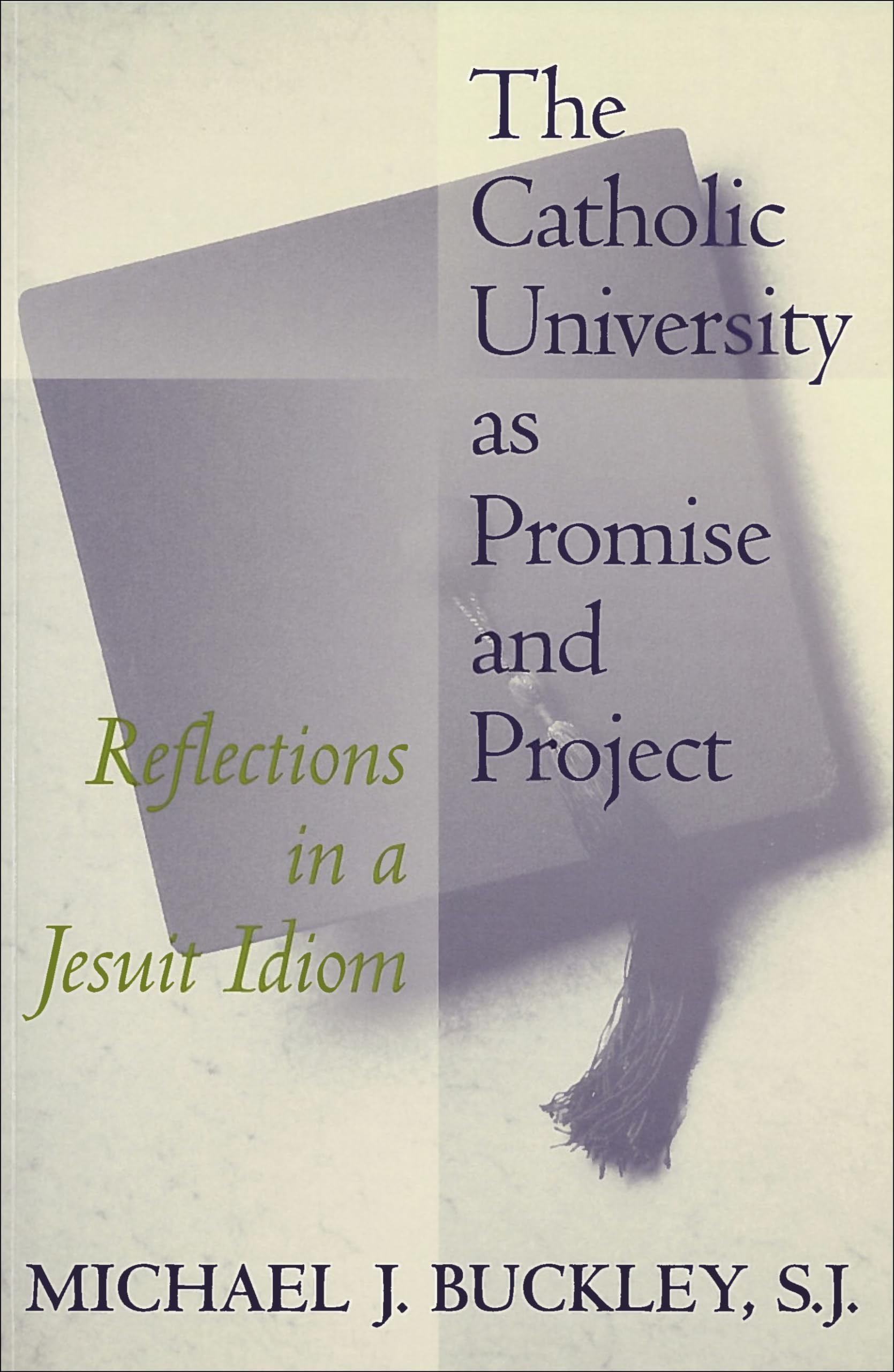
The Catholic University as Promise and Project: Reflections in a Jesuit Idiom (Not In A Series),Used
Sold by Ergodebooks, an authorized reseller.
Returns accepted within 30 days | support@ergodebooks.com
Shipping Information
- Free Standard Shipping — United States only
- Processing Time: 3–5 business days
- Estimated Delivery: 6–10 business days after dispatch
- Double-boxed, fully insured & discreetly packaged
- Tracking number sent via email once dispatched
Returns & Refund
Returns accepted within 30 days of delivery.
Damaged or Defective Item
Free return shipping + replacement or full refund
Wrong Item Received
Free return shipping + replacement or full refund
Change of Mind
Return shipping at customer's expense · 25% restocking fee applies
Payment Option

The remarkable development of the Catholic university in the United States has raised issues about its continued identity, its promise, and its academic constituents. Michael J. Buckley, SJ, explores these questions, especially as they have been experienced in Jesuit history and contemporary commitments.The fundamental proposition that grounds the Catholic university, Buckley argues, is that the academic and the religious are intrinsically related. Academic inquiry encourages a process of questioning that leads naturally to issues of ultimate significance, while the experience of faith is towards the understanding of itself and of its relationship to every other dimension of human life. This mutual involvement requires a union between faith and culture that defines the purposes of Catholic higher education. In their earliest and normative documents, Jesuit universities have been encouraged to achieve this integration through the central role given to theology.Buckley explores two commitments that implicate contemporary Catholic universities in controversy: an insistence upon open, free discussion and academic pluralismto the objections of some in the Church; and an education in the promotion of justiceto the objections of some in the academy.Finally, to strengthen philosophical and theological studies, Buckley suggests both a "philosophical grammar" that would discover and study the assumptions and methods involved in the various forms of disciplined human inquiry and a set of "theological arts" founded upon the more general liberal arts.Entering into the contemporary discussion about the Catholic university, this book offers inspiring and thoughtprovoking ideas for those engaged in Catholic higher education.
⚠️ WARNING (California Proposition 65):
This product may contain chemicals known to the State of California to cause cancer, birth defects, or other reproductive harm.
For more information, please visit www.P65Warnings.ca.gov.