
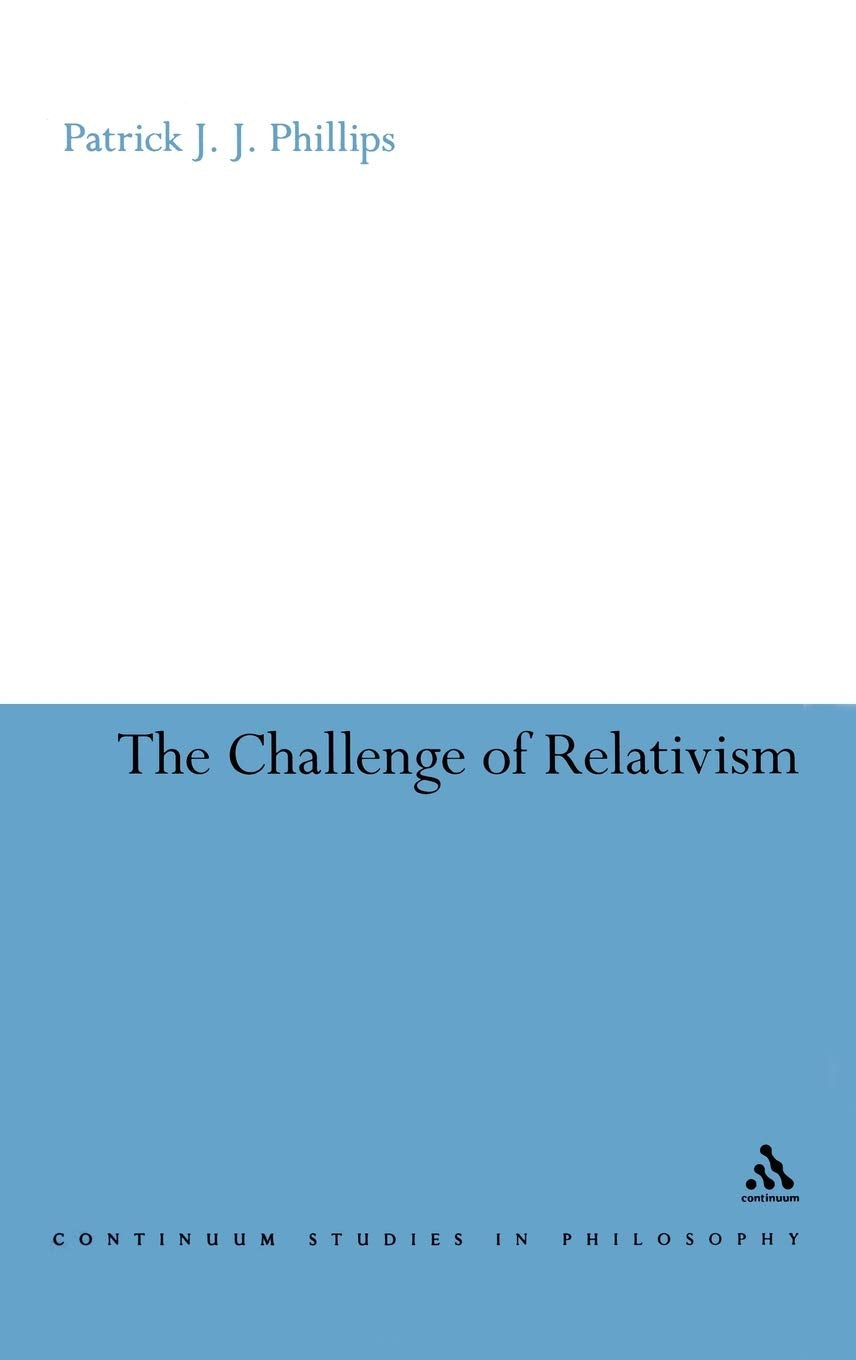
Title
The Challenge Of Relativism: Its Nature And Limits (Continuum Studies In Philosophy, 45),Used
Sold by Ergodebooks, an authorized reseller.
Returns accepted within 30 days | support@ergodebooks.com
Shipping Information
- Free Standard Shipping — United States only
- Processing Time: 3–5 business days
- Estimated Delivery: 6–10 business days after dispatch
- Double-boxed, fully insured & discreetly packaged
- Tracking number sent via email once dispatched
Returns & Refund
Returns accepted within 30 days of delivery.
Damaged or Defective Item
Free return shipping + replacement or full refund
Wrong Item Received
Free return shipping + replacement or full refund
Change of Mind
Return shipping at customer's expense · 25% restocking fee applies
Payment Option

Relativism, the view that knowledge is relative to time, culture, group and/or individual, remains a pervasive and influential intellectual position in philosophy and throughout the humanities. Since ancient times, relativists have been viewed as villains of truth and knowledge. They have undermined optimistic explanations of how we know things and, instead, have grounded knowledge in the everchanging world of human opinion. But is the relativists' notorious reputation justified? In this important new book Patrick Phillips investigates several varieties of relativism proposed over the centuries and identifies relativism as a central strand of thought that permeates much of postcolonial and postmodern thinking. He investigates the reasons that contribute to the 'evergreen' status of relativism and asks: why does relativism remain a constant occurrence in the writings of the humanities and what accounts for its popular appeal?Relativism, the view that knowledge is relative to time, culture, group and/or individual, remains a pervasive and influential intellectual position in philosophy and throughout the humanities. Since ancient times, relativists have been viewed as villains of truth and knowledge. They have undermined optimistic explanations of how we know things and, instead, have grounded knowledge in the everchanging world of human opinion. But is the relativists' notorious reputation justified? In this important new book Patrick Phillips investigates several varieties of relativism proposed over the centuries and identifies relativism as a central strand of thought that permeates much of postcolonial and postmodern thinking. He investigates the reasons that contribute to the 'evergreen' status of relativism and asks: why does relativism remain a constant occurrence in the writings of the humanities and what accounts for its popular appeal?
⚠️ WARNING (California Proposition 65):
This product may contain chemicals known to the State of California to cause cancer, birth defects, or other reproductive harm.
For more information, please visit www.P65Warnings.ca.gov.