If you have any questions, you are always welcome to contact us. We'll get back to you as soon as possible, withing 24 hours on weekdays.
Customer service
All questions about your order, return and delivery must be sent to our customer service team by e-mail at yourstore@yourdomain.com
Sale & Press
If you are interested in selling our products, need more information about our brand or wish to make a collaboration, please contact us at press@yourdomain.com
Help
If you have any questions, you are always welcome to contact us. We'll get back to you as soon as possible, withing 24 hours on weekdays.
Customer service
All questions about your order, return and delivery must be sent to our customer service team by e-mail at yourstore@yourdomain.com
Sale & Press
If you are interested in selling our products, need more information about our brand or wish to make a collaboration, please contact us at press@yourdomain.com
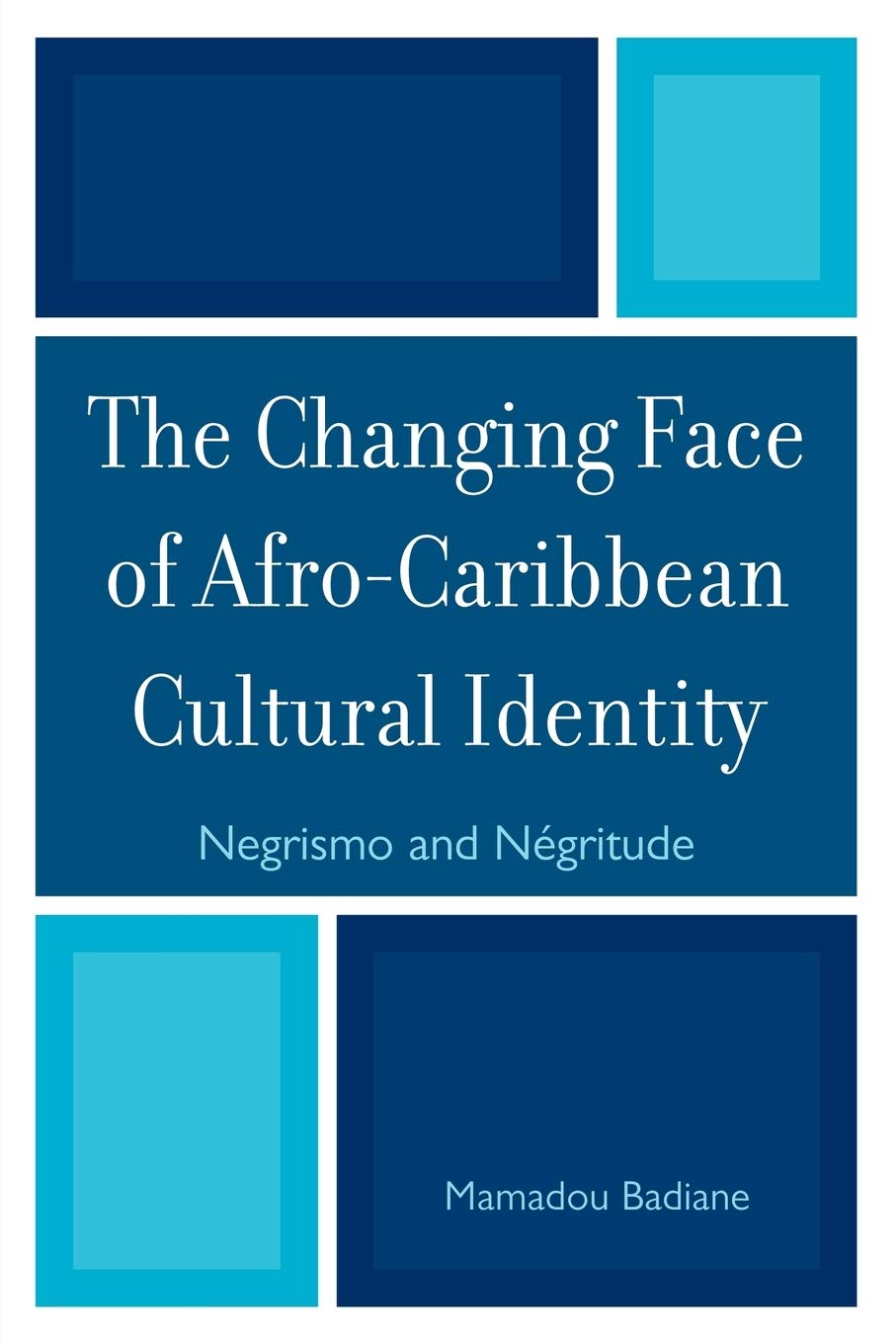
The Changing Face of AfroCaribbean Cultural Identity: Negrismo and Ngritude looks primarily at Negrismo and Ngritude, two literary movements that appeared in the Francophone and Hispanic Caribbean as well as in Africa at the beginning of the twentieth century. It draws on speeches and manifestos, and use cultural studies to contextualize ideas. It poses the bases of both movements in the Caribbean and in Africa, and lays out the literary antecedents that influenced or shaped both movements.This book examines the search for cultural identity through the poetry of Nicolas Guilln, Manuel del Cabral, and Pals Matos. This search is extended to the Ngritude movement through the poems of Lopold Senghor, LonGontran Damas, and Aim Csaire. Mamadou Badiane further discusses the underrepresented Ngritude women writers who were silenced by their male counterparts during the first half of the twentieth century.Ultimately, this is a book on Caribbean cultural identity that shows it in a slippery and fluctuating zone. By demonstrating that while the founders of the Ngritude movement both identified themselves as descendants of Africans and were proud to proclaim their African heritage, the members of the Antillanit and Crolit movements see themselves as a product of miscegenation between different cultures.
⚠️ WARNING (California Proposition 65):
This product may contain chemicals known to the State of California to cause cancer,
birth defects, or other reproductive harm.
For MAP (Minimum Advertised Price) violations and Intellectual Property (IP) or Trademark concerns, please contact:
support@ergodebooks.com
⚠️ California Proposition 65 Warning: Some products sold on this website may expose you to chemicals known to the State of California to cause cancer, birth defects, or other reproductive harm. For more information, visit www.P65Warnings.ca.gov.