
Title
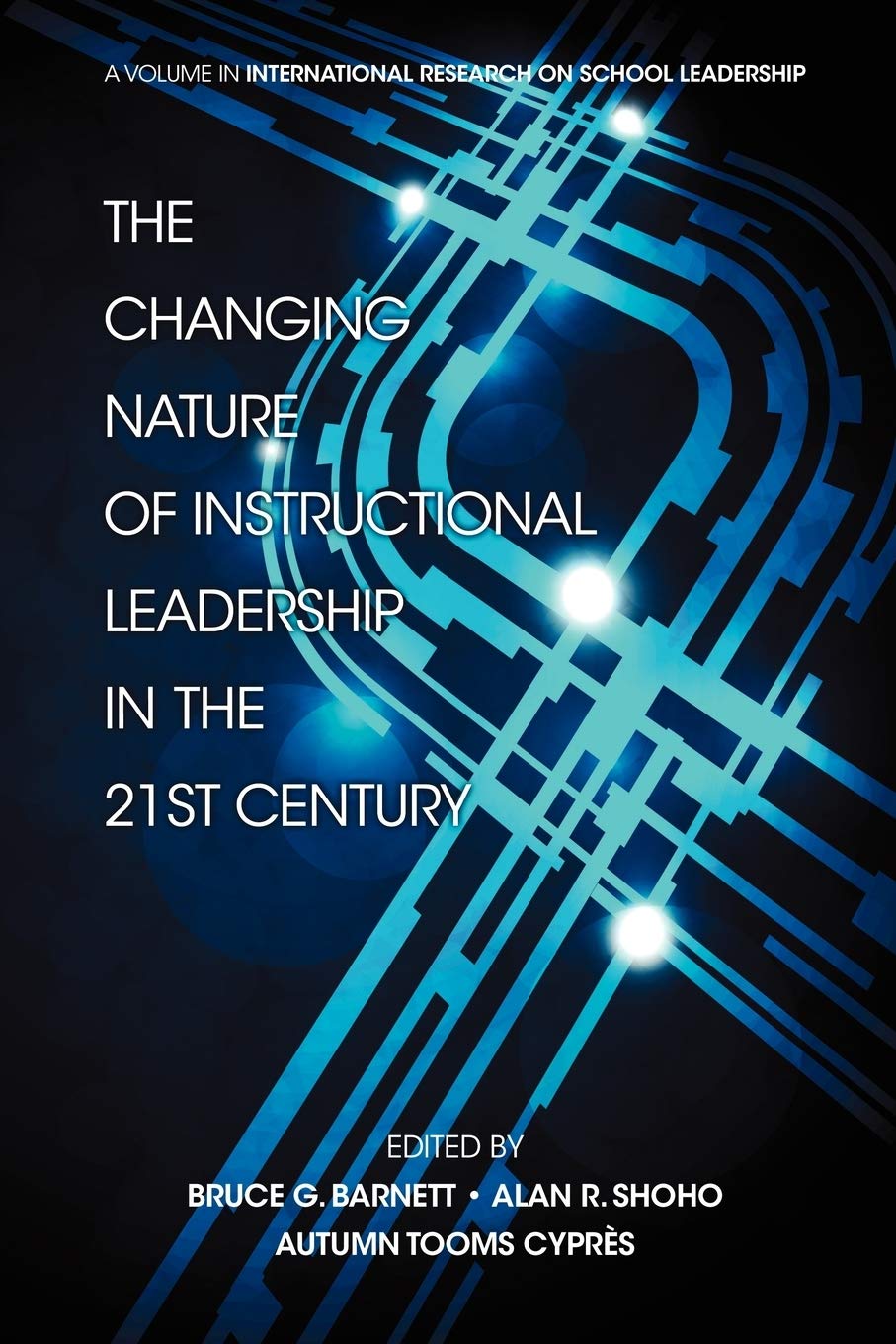
The Changing Nature of Instructional Leadership in the 21st Century (International Research on School Leadership),New
Sold by Ergodebooks, an authorized reseller.
Returns accepted within 30 days | support@ergodebooks.com
Shipping Information
- Free Standard Shipping — United States only
- Processing Time: 3–5 business days
- Estimated Delivery: 6–10 business days after dispatch
- Double-boxed, fully insured & discreetly packaged
- Tracking number sent via email once dispatched
Returns & Refund
Returns accepted within 30 days of delivery.
Damaged or Defective Item
Free return shipping + replacement or full refund
Wrong Item Received
Free return shipping + replacement or full refund
Change of Mind
Return shipping at customer's expense · 25% restocking fee applies
Payment Option

This third book in the Information Age book series, International Research on School Leadership, focuses on the changing nature of instructional leadership in the 21st century. Our goal is to examine instructional leadership from multiple educational and international perspectives. Unlike many leadership books that focus on conceptualizations and personal narratives, the seven chapters provide empirical evidence of how instructional leadership is evolving in the 21st century. From the effective schools research of the 1980s to todays relentless calls for improved student performance, attention has focused on the instructional leadership roles and responsibilities of school principals, headteachers, and educational system leaders. The emphasis on student performance has gone global as evidenced by highlypublicized international studies, such as the Trends in International Math and Science Studies (TIMSS) and the Program for International Student Assessment (PISA), comparing student achievement in different countries.These developments have had substantial effects on school leaders, especially buildinglevel principals and headteachers. Rather than being the only ones overseeing school improvement aimed at increasing student learning, many school administrators are distributing leadership responsibilities to other administrators and teachers on their campuses. To fully understand instructional leadership in the 21st century, the book examines three important dimensions of instructional leadership: (1) the current context for turning around lowperforming schools, increasing teacher effectiveness, and providing equitable outcomes for all students, (2) international perspectives of instructional leadership development, particularly the value of teacher coaching and leadership development for aspiring and practicing school leaders in a developing country, and (3) the obstacles instructional leaders confront as they deal with fiscal constraints, political pressure, diverse student populations, and highstakes standardsbased reforms.
⚠️ WARNING (California Proposition 65):
This product may contain chemicals known to the State of California to cause cancer, birth defects, or other reproductive harm.
For more information, please visit www.P65Warnings.ca.gov.