
Title
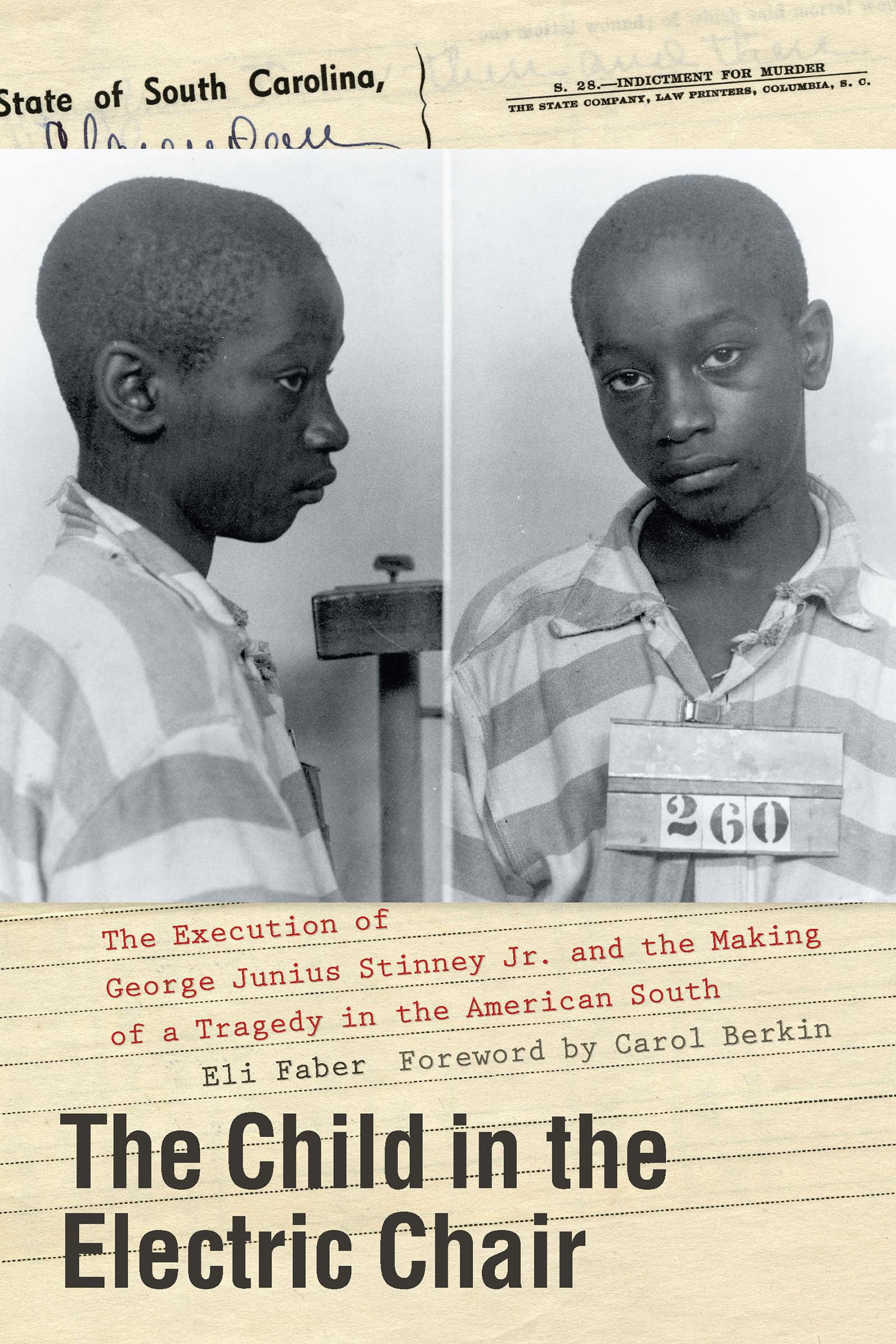
The Child In The Electric Chair: The Execution Of George Junius Stinney Jr. And The Making Of A Tragedy In The American South
Sold by Ergodebooks, an authorized reseller.
Returns accepted within 30 days | support@ergodebooks.com
Shipping Information
- Free Standard Shipping — United States only
- Processing Time: 3–5 business days
- Estimated Delivery: 6–10 business days after dispatch
- Double-boxed, fully insured & discreetly packaged
- Tracking number sent via email once dispatched
Returns & Refund
Returns accepted within 30 days of delivery.
Damaged or Defective Item
Free return shipping + replacement or full refund
Wrong Item Received
Free return shipping + replacement or full refund
Change of Mind
Return shipping at customer's expense · 25% restocking fee applies
Payment Option

The Tragic Story Of The Killing Of 14Yearold George Junius Stinney Jr., The Youngest Person Executed In The United States During The Twentieth Centuryat 7:30 A.M. On June 16, 1944, George Junius Stinney Jr. Was Escorted By Four Guards To The Death Chamber. Wearing Socks But No Shoes, The 14Yearold Black Boy Walked With His Bible Tucked Under His Arm. The Guards Strapped His Slight, Fivefootoneinch Frame Into The Electric Chair. His Small Size Made It Difficult To Affix The Electrode To His Right Leg And The Face Mask, Which Was Clearly Too Large, Fell To The Floor When The Executioner Flipped The Switch. That Day, George Stinney Became, And Today Remains, The Youngest Person Executed In The United States During The Twentieth Century.How Was It Possible, Even In Jim Crow South Carolina, For A Child To Be Convicted, Sentenced To Death, And Executed Based On Circumstantial Evidence In A Trial That Lasted Only A Few Hours? Through Extensive Archival Research And Interviews With Stinney'S Contemporariesmen And Women Alive Today Who Still Carry Distinctive Memories Of The Events That Rocked The Small Town Of Alcolu And The Entire Stateeli Faber Pieces Together The Chain Of Events That Led To This Tragic Injustice.The First Book To Fully Explore The Events Leading To Stinney'S Death, The Child In The Electric Chair Offers A Compelling Narrative With A Meticulously Researched Analysis Of The World In Which Stinney Livedthe Era Of Lynching, Segregation, And Racist Assumptions About Black Americans. Faber Explains How A Systemically Racist System, Paired With The Personal Ambitions Of Powerful Individuals, Turned A Blind Eye To Human Decency And One Of The Basic Tenets Of The American Legal System That Individuals Are Innocent Until Proven Guilty.As Society Continues To Grapple With The Legacies Of Racial Injustice, The Story Of George Stinney Remains One That Can Teach Us Lessons About Our Collective Past And Present. By Ably Placing The Stinney Case Into A Larger Context, Faber Reveals How This Case Is Not Just A Travesty Of Justice Locked In The Era Of The Jim Crow South But Rather One That Continues To Resonate In Our Own Time.A Foreword Is Provided By Carol Berkin, Presidential Professor Of History Emerita At Baruch College At The City University Of New York And Author Of Several Books Including Civil War Wives: The Lives And Times Of Angelina Grimke Weld, Varina Howell Davis, And Julia Dent Grant.
⚠️ WARNING (California Proposition 65):
This product may contain chemicals known to the State of California to cause cancer, birth defects, or other reproductive harm.
For more information, please visit www.P65Warnings.ca.gov.
- Q: What is the page count of the book? A: The book has one hundred ninety-two pages. This length allows for a concise yet impactful exploration of George Stinney Jr.'s tragic story.
- Q: What are the dimensions of the book? A: The book measures six point twenty-six inches in length, zero point seventy-five inches in width, and nine point twenty-five inches in height. These dimensions make it a portable hardcover that is easy to handle.
- Q: Who is the author of the book? A: The author is Eli Faber. His expertise and extensive research contribute to the historical authenticity of the narrative.
- Q: What genre does this book belong to? A: This book is categorized as a historical true-crime narrative. It provides a detailed examination of racial injustice in the American South.
- Q: Is there a foreword in the book? A: Yes, there is a foreword provided by Carol Berkin. She is a noted historian and adds credibility to the book's context.
- Q: How do I read this book? A: You can read this book like any other hardcover. Simply open it and start from the first page, as it is suitable for general audiences interested in history and justice.
- Q: Is this book suitable for young readers? A: The book contains mature themes relating to racial injustice and execution. It is recommended for older teens and adults.
- Q: What can I learn from this book? A: You can learn about the injustices faced by George Stinney Jr. and the broader context of racial discrimination in the legal system. It offers a historical perspective on a tragic event.
- Q: How should I handle the book to keep it in good condition? A: To keep the book in good condition, handle it gently and store it upright on a bookshelf. Avoid exposure to direct sunlight.
- Q: Can I clean the book if it gets dirty? A: Yes, you can clean the book. Use a dry cloth to gently wipe the cover and avoid using water or cleaning solutions on the pages.
- Q: What if the book arrives damaged? A: If the book arrives damaged, you can contact customer service for a return or exchange. Ensure you keep the original packaging for the return process.
- Q: Is there a return policy for this book? A: Yes, there is a return policy. Typically, you can return the book within a specified period if it is in its original condition.
- Q: Are there any other books by the author? A: Yes, Eli Faber has written other works as well. His focus often includes historical narratives and themes related to social justice.
- Q: Is this book part of a series? A: No, this book is not part of a series. It stands alone as a comprehensive exploration of a specific historical event.
- Q: What themes are explored in this book? A: The book explores themes of racial injustice, legal failings, and the impact of societal racism. It addresses both historical and contemporary issues.
- Q: Where is this book published? A: The book is published by the University of South Carolina Press. This publisher is known for its focus on academic and historical works.