
Title
The Chinese Women's Movement Between State and Market,Used
Sold by Ergodebooks, an authorized reseller.
Returns accepted within 30 days | support@ergodebooks.com
Shipping Information
- Free Standard Shipping — United States only
- Processing Time: 3–5 business days
- Estimated Delivery: 6–10 business days after dispatch
- Double-boxed, fully insured & discreetly packaged
- Tracking number sent via email once dispatched
Returns & Refund
Returns accepted within 30 days of delivery.
Damaged or Defective Item
Free return shipping + replacement or full refund
Wrong Item Received
Free return shipping + replacement or full refund
Change of Mind
Return shipping at customer's expense · 25% restocking fee applies
Payment Option

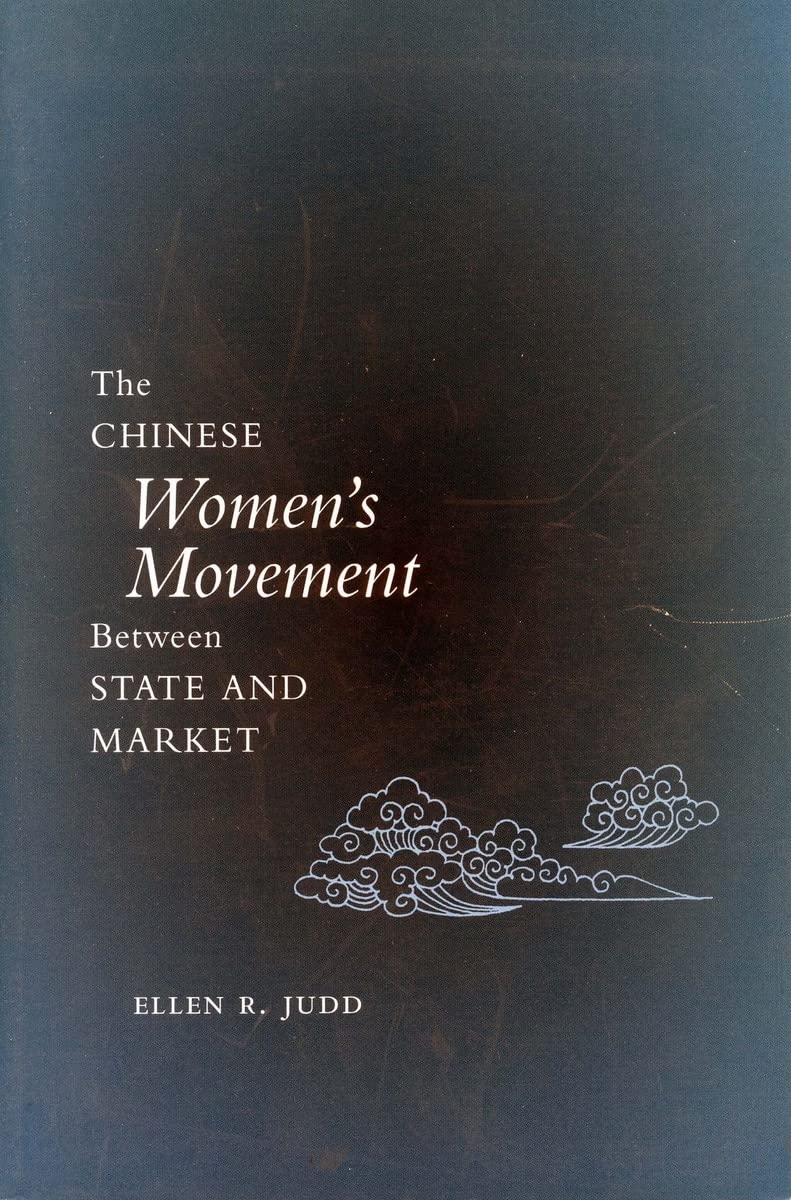
When China embarked on its rural economic reforms in the early 1980s, changes for women were not a planned part of its program for economic development, in the countryside or in the nation at large. In the late 1980s the official arm of the Chinese women's movement, the Women's Federations, began experimenting with a series of strategies designed to position women in the mainstream of the reformera economy. A distinctive feature of this initiative was its focus on "quality" (suzhi), including literacy, general education, and practical technical training, and extending to a general effort to strengthen women's place in the market. The state's official women's movement had paradoxically become the major champion and architect of rural Chinese women's turn toward the market economy. This book examines in detail how the women's movement strategy was developed and implemented in one village in the northern Chinese province of Shandong, exploring the multiple meanings of the discourse on quality and the creation of a uniquely Chinese genderanddevelopment policy. The author explores several dimensions of this strategy: the promotion of education and training, the building of an organizational base for the rural women's movement, and the expansion of women's involvement in market competition. The author broadens the scope of the book by comparing similar strategies pursued in urban women's organizations in Shandong in the 1990s.
⚠️ WARNING (California Proposition 65):
This product may contain chemicals known to the State of California to cause cancer, birth defects, or other reproductive harm.
For more information, please visit www.P65Warnings.ca.gov.