
Title
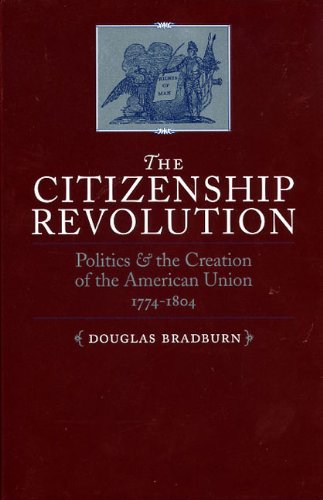
The Citizenship Revolution: Politics And The Creation Of The American Union 17741804 (Jeffersonian America),Used
Sold by Ergodebooks, an authorized reseller.
Returns accepted within 30 days | support@ergodebooks.com
Shipping Information
- Free Standard Shipping — United States only
- Processing Time: 3–5 business days
- Estimated Delivery: 6–10 business days after dispatch
- Double-boxed, fully insured & discreetly packaged
- Tracking number sent via email once dispatched
Returns & Refund
Returns accepted within 30 days of delivery.
Damaged or Defective Item
Free return shipping + replacement or full refund
Wrong Item Received
Free return shipping + replacement or full refund
Change of Mind
Return shipping at customer's expense · 25% restocking fee applies
Payment Option

Most Americans believe that the ratification of the Constitution in 1788 marked the settlement of postRevolutionary disputes over the meanings of rights, democracy, and sovereignty in the new nation. In The Citizenship Revolution, Douglas Bradburn undercuts this view by showing that the Union, not the Nation, was the most important product of independence.In 1774, everyone in British North America was a subject of King George and Parliament. In 1776 a number of newly independent 'states,' composed of 'American citizens' began cobbling together a Union to fight their former fellow countrymen. But who was an American? What did it mean to be a 'citizen' and not a 'subject'? And why did it matter?Bradburns stunning reinterpretation requires us to rethink the traditional chronologies and stories of the American Revolutionary experience. He places battles over the meaning of 'citizenship' in law and in politics at the center of the narrative. He shows that the new political community ultimately discovered that it was not really a 'Nation,' but a 'Union of States'and that it was the states that set the boundaries of belonging and the very character of rights, for citizens and everyone else. To those inclined to believe that the ratification of the Constitution assured the importance of national authority and law in the lives of American people, the emphasis on the significance and power of the states as the arbiter of American rights and the character of nationhood may seem strange. But, as Bradburn argues, state control of the ultimate meaning of American citizenship represented the first stable outcome of the crisis of authority, allegiance, and identity that had exploded in the American Revolutiona political settlement delicately reached in the first years of the nineteenth century. So ended the first great phase of the American citizenship revolution: a continuing struggle to reconcile the promise of revolutionary equality with the pressing and sometimes competing demands of law, order, and the pursuit of happiness.
⚠️ WARNING (California Proposition 65):
This product may contain chemicals known to the State of California to cause cancer, birth defects, or other reproductive harm.
For more information, please visit www.P65Warnings.ca.gov.