
Title
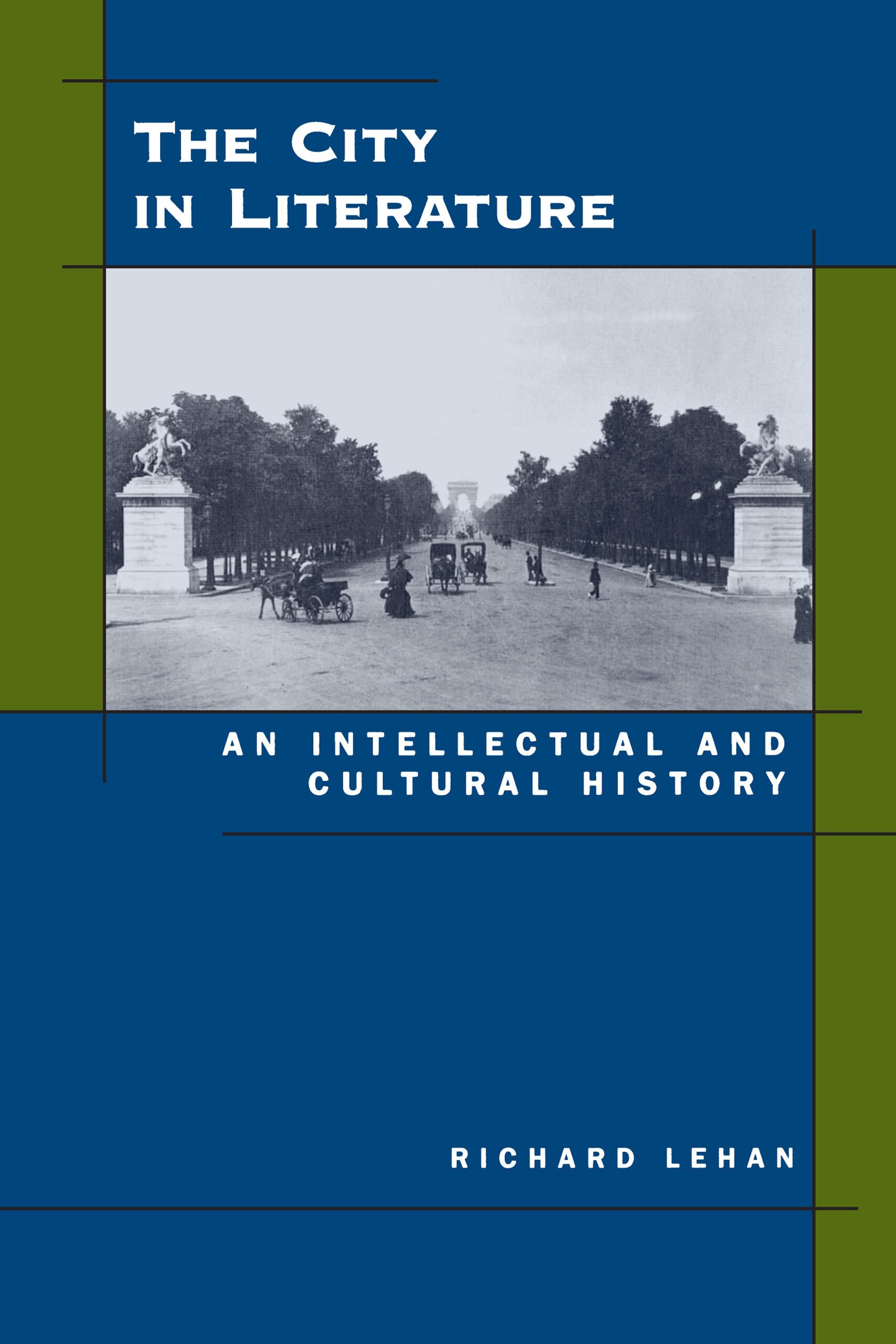
The City in Literature: An Intellectual and Cultural History,Used
Sold by Ergodebooks, an authorized reseller.
Returns accepted within 30 days | support@ergodebooks.com
Shipping Information
- Free Standard Shipping — United States only
- Processing Time: 3–5 business days
- Estimated Delivery: 6–10 business days after dispatch
- Double-boxed, fully insured & discreetly packaged
- Tracking number sent via email once dispatched
Returns & Refund
Returns accepted within 30 days of delivery.
Damaged or Defective Item
Free return shipping + replacement or full refund
Wrong Item Received
Free return shipping + replacement or full refund
Change of Mind
Return shipping at customer's expense · 25% restocking fee applies
Payment Option

This sweeping literary encounter with the Western idea of the city moves from the early novel in England to the apocalyptic cityscapes of Thomas Pynchon. Along the way, Richard Lehan gathers a rich entourage that includes Daniel Defoe, Charles Dickens, Emile Zola, Bram Stoker, Rider Haggard, Joseph Conrad, James Joyce, Theodore Dreiser, F. Scott Fitzgerald, and Raymond Chandler. The European city is read against the decline of feudalism and the rise of empire and totalitarianism; the American city against the phenomenon of the wilderness, the frontier, and the rise of the megalopolis and the decentered, discontinuous city that followed.Throughout this book, Lehan pursues a dialectic of order and disorder, of cities seeking to impose their presence on the surrounding chaos. Rooted in Enlightenment yearnings for reason, his journey goes from east to west, from Europe to America. In the United States, the movement is also westward and terminates in Los Angeles, a kind of land's end of the imagination, in Lehan's words. He charts a narrative continuum full of constructs that 'represent' a cycle of hope and despair, of historical optimism and pessimism.Lehan presents sharply etched portrayals of the correlation between rationalism and capitalism; of the rise of the city, the decline of the landed estate, and the formation of the gothic; and of the emergence of the city and the appearance of other genres such as detective narrative and fantasy literature. He also mines disciplines such as urban studies, architecture, economics, and philosophy, uncovering material that makes his study a lively read not only for those interested in literature, but for anyone intrigued by the meanings and mysteries of urban life.
⚠️ WARNING (California Proposition 65):
This product may contain chemicals known to the State of California to cause cancer, birth defects, or other reproductive harm.
For more information, please visit www.P65Warnings.ca.gov.