If you have any questions, you are always welcome to contact us. We'll get back to you as soon as possible, withing 24 hours on weekdays.
Customer service
All questions about your order, return and delivery must be sent to our customer service team by e-mail at yourstore@yourdomain.com
Sale & Press
If you are interested in selling our products, need more information about our brand or wish to make a collaboration, please contact us at press@yourdomain.com
Help
If you have any questions, you are always welcome to contact us. We'll get back to you as soon as possible, withing 24 hours on weekdays.
Customer service
All questions about your order, return and delivery must be sent to our customer service team by e-mail at yourstore@yourdomain.com
Sale & Press
If you are interested in selling our products, need more information about our brand or wish to make a collaboration, please contact us at press@yourdomain.com
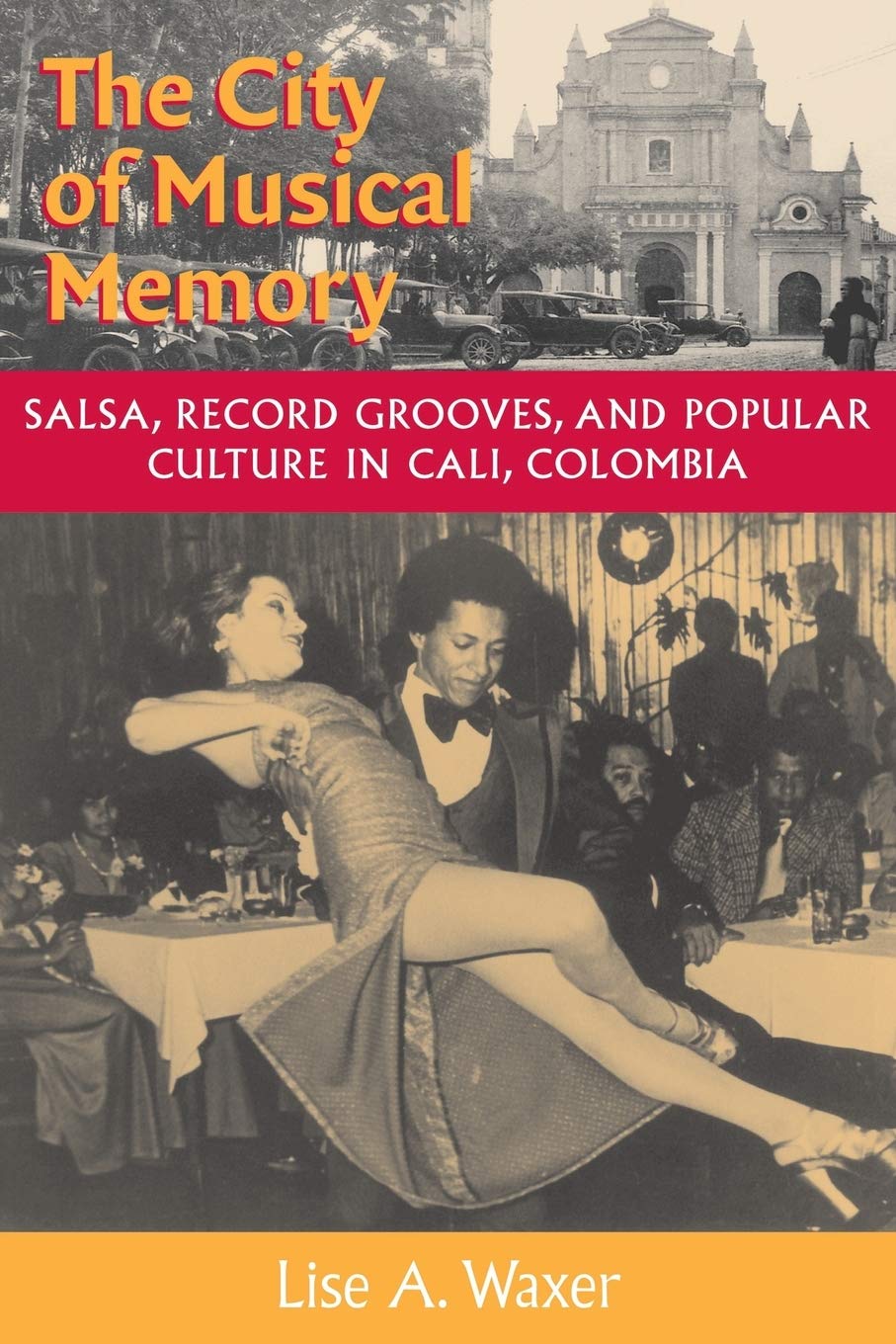
A social history of salsa in Colombia.Winner of the ASCAP Deems Taylor Award for Popular Music Books (2002)Winner of the Society for Ethnomusicology's (SEM) Alan P. Merriam Prize (2003)Salsa is a popular dance music developed by Puerto Ricans in New York City during the 1960s and 70s, based on AfroCuban forms. By the 1980s, the Colombian metropolis of Cali emerged on the global stage as an important center for salsa consumption and performance. Despite their geographic distance from the Caribbean and from Hispanic Caribbean migrants in New York City, Caleos (people from Cali) claim unity with Cubans, Puerto Ricans and New York Latinos by virtue of their having adopted salsa as their own. The City of Musical Memory explores this local adoption of salsa and its AfroCaribbean antecedents in relation to national and regional musical styles, shedding light on salsa's spread to other Latin American cities. Cali's case disputes the prevalent academic notion that live music is more 'real' or 'authentic' than its recorded versions, since in this city salsa recordings were until recently much more important than musicians themselves, and continued to be influential in the live scene. This book makes valuable contributions to ongoing discussions about the place of technology in music culture and the complex negotiations of local and transnational cultural identities.
⚠️ WARNING (California Proposition 65):
This product may contain chemicals known to the State of California to cause cancer,
birth defects, or other reproductive harm.
For MAP (Minimum Advertised Price) violations and Intellectual Property (IP) or Trademark concerns, please contact:
support@ergodebooks.com
⚠️ California Proposition 65 Warning: Some products sold on this website may expose you to chemicals known to the State of California to cause cancer, birth defects, or other reproductive harm. For more information, visit www.P65Warnings.ca.gov.