
Title
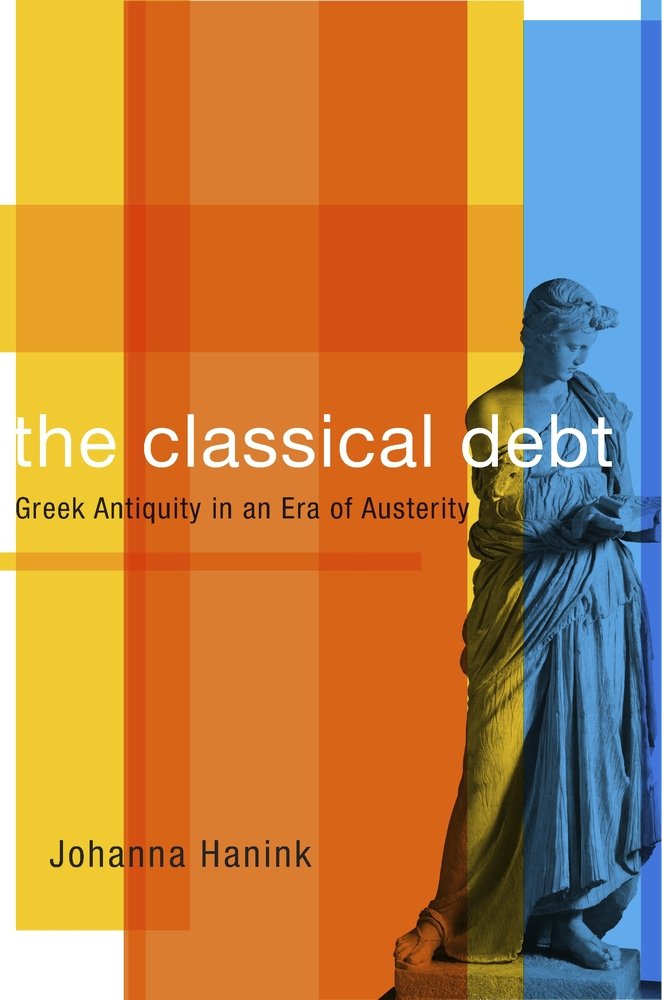
The Classical Debt: Greek Antiquity In An Era Of Austerity,New
Sold by Ergodebooks, an authorized reseller.
Returns accepted within 30 days | support@ergodebooks.com
Shipping Information
- Free Standard Shipping — United States only
- Processing Time: 3–5 business days
- Estimated Delivery: 6–10 business days after dispatch
- Double-boxed, fully insured & discreetly packaged
- Tracking number sent via email once dispatched
Returns & Refund
Returns accepted within 30 days of delivery.
Damaged or Defective Item
Free return shipping + replacement or full refund
Wrong Item Received
Free return shipping + replacement or full refund
Change of Mind
Return shipping at customer's expense · 25% restocking fee applies
Payment Option

Ever Since The International Monetary Funds First Bailout Of Greeces Sinking Economy In 2010, The Phrase Greek Debt Has Meant One Thing To The Countrys Creditors. But For Millions Who Claim To Prize Culture Over Capital, It Means Something Quite Different: The Symbolic Debt That Western Civilization Owes To Greece For Furnishing Its Principles Of Democracy, Philosophy, Mathematics, And Fine Art. Where Did This Other Idea Of Greek Debt Come From, Johanna Hanink Asks, And Why Does It Remain So Compelling Today?The Classical Debt Investigates Our Abiding Desire To View Greece Through The Lens Of The Ancient Past. Though Classical Athens Was In Reality A Slaveowning Imperial Power, The Citystate Of Socrates And Pericles Is Still Widely Seen As A Utopia Of Wisdom, Justice, And Beautyan Idealization That The Ancient Athenians Themselves Assiduously Cultivated. Greeces Allure As A Travel Destination Dates Back Centuries, And Hanink Examines Many Historical Accounts That Express Disappointment With A Greek People Who Fail To Live Up To Modern Fantasies Of The Ancient Past. More Than Any Other Movement, The Spread Of European Philhellenism In The Eighteenth And Nineteenth Centuries Carved Idealized Conceptions Of Greece In Marble, Reinforcing The Western Habit Of Comparing The Greece That Is With The Greece That Once Was.Today, As The European Union Teeters And Neighboring Nations Are Convulsed By Political Unrest And Civil War, Greece Finds Itself Burdened By Economic Hardship And An Unprecedented Refugee Crisis. Our Idealized Image Of Ancient Greece Dangerously Shapes How We View These Contemporary European Problems.
⚠️ WARNING (California Proposition 65):
This product may contain chemicals known to the State of California to cause cancer, birth defects, or other reproductive harm.
For more information, please visit www.P65Warnings.ca.gov.
- Q: What is the size of 'The Classical Debt' book? A: The book measures five point eight inches in length, one point one inches in width, and eight point four inches in height.
- Q: How many pages does 'The Classical Debt' have? A: This book contains three hundred fifty-two pages, providing an in-depth exploration of its themes.
- Q: What type of binding does 'The Classical Debt' have? A: The book is bound in hardcover, ensuring durability and a premium reading experience.
- Q: Who is the author of 'The Classical Debt'? A: The author of this book is Johanna Hanink, known for her insights into Greek history and culture.
- Q: What category does 'The Classical Debt' fall under? A: This book is categorized under Economic Conditions, focusing on Greece's historical and contemporary financial challenges.
- Q: How do I read 'The Classical Debt'? A: You can read this book at your own pace, as it is suitable for anyone interested in economic history and cultural studies.
- Q: Is 'The Classical Debt' appropriate for academic use? A: Yes, this book is suitable for academic purposes, especially in courses related to economics, history, and cultural studies.
- Q: Can I read 'The Classical Debt' if I am not familiar with Greek history? A: Yes, the book is written in an accessible style and provides context for readers new to Greek history.
- Q: How do I keep 'The Classical Debt' in good condition? A: To maintain the book's condition, store it upright in a cool, dry place and avoid exposing it to direct sunlight.
- Q: Are there any special care instructions for 'The Classical Debt'? A: No special care instructions are necessary; just handle the book gently to prevent wear and tear.
- Q: What should I do if 'The Classical Debt' arrives damaged? A: If the book arrives damaged, you should contact the seller for a return or exchange as per their policy.
- Q: Is there a warranty for 'The Classical Debt'? A: Typically, books do not come with a warranty, but check with the seller for their specific return policies.
- Q: Where can I buy 'The Classical Debt'? A: You can purchase this book from various online retailers, bookstores, and directly from the publisher.
- Q: How does 'The Classical Debt' compare to other books on Greek history? A: Unlike many texts that focus solely on ancient Greece, this book connects historical themes to contemporary economic issues.
- Q: Is this book suitable for beginners in economic studies? A: Yes, 'The Classical Debt' is suitable for beginners as it provides foundational insights into Greece's economic history.
- Q: What themes are explored in 'The Classical Debt'? A: The book explores themes of economic hardship, cultural heritage, and the historical relationship between Greece and Western civilization.