
Title
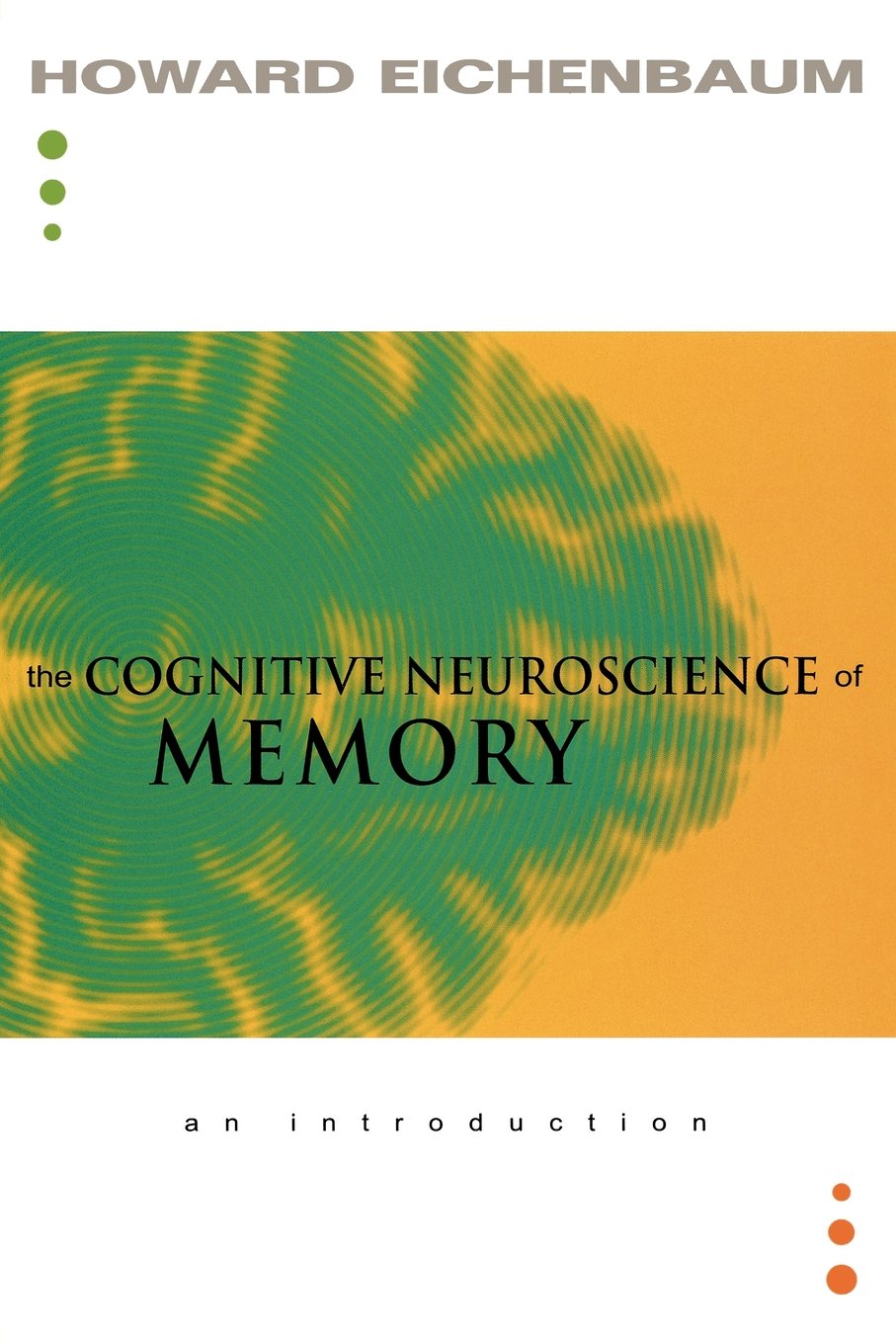
The Cognitive Neuroscience Of Memory: An Introduction,Used
Sold by Ergodebooks, an authorized reseller.
Returns accepted within 30 days | support@ergodebooks.com
Shipping Information
- Free Standard Shipping — United States only
- Processing Time: 3–5 business days
- Estimated Delivery: 6–10 business days after dispatch
- Double-boxed, fully insured & discreetly packaged
- Tracking number sent via email once dispatched
Returns & Refund
Returns accepted within 30 days of delivery.
Damaged or Defective Item
Free return shipping + replacement or full refund
Wrong Item Received
Free return shipping + replacement or full refund
Change of Mind
Return shipping at customer's expense · 25% restocking fee applies
Payment Option

This Clear And Accessible Textbook Introduces Students To The Brain'S Remarkable Capacity For Memory. It Begins With A History Of Thinking And Research On The Biological Bases Of Memory, Highlighting Discoveries About The Brain Made In A 'Golden Era' Of Neuroscience Around The Turn Of The 20Th Century. This Is Followed By Presentation Of Our Current Understanding Of The Neurobiology Of Memory, Organized Into Sections Corresponding To The Book'S Four Major Themes. The First Is Connection, And It Considers How Memory Is Based On Alterations In The Communication Between Nerve Cells. Research On The Physiology And Biochemistry Of Neurons Has Revealed A Cascade Of Molecular Events And Structural Changes That Enhance Or Weaken The Connectivity Of Nerve Cells In Support Of Memory. The Second Theme Is Cognition, Which Considers The Psychological Structure Of Memory. Early Work On This Topic Involved Controversy Over The Basic Cognitive Processes That Underlie Memory, And Modern Research Has Shown That These Characterizations Reflect Distinctions Among Qualitatively Different Forms Of Memory. The Third Theme Is Compartmentalization, The Notion That The Different Forms Of Memory Are Accomplished By Distinct Brain Systems. Recent Research Has Revealed Parallel Memory Systems That Separately Mediate Our Ability For Conscious Recollection, Our Capacity To Acquire Skills And Habits, And Our Acquisition Of Emotional Attachments And Aversions. The Fourth Theme Is Consolidation, The Process By Which Memories Are Transformed From A Labile Trace Into A Permanent Store. Scientists Have Shown That There Are Two Distinct Stages In Memory Consolidation, One Involving Cellular Mechanisms That Underlie A Fixation Of Changes In The Neuronal Connection Strengths And The Other Involving A Reorganization And Restruction Of The Circuits That Store And Retrieve Memories.The Book Assumes Little Background Knowledge From Biology Or Psychology, And Is Intended As A Text For Use In Undergraduate Courses On Memory And Cognitive Science, And For Early Graduate Students In Neuroscience, Cognitive Science, Or Biology. It Encapsulates The Major Concepts In The Field, And Makes This Area Of Research Accessible To Students Who Pursue A Variety Of Related Disciplines.
⚠️ WARNING (California Proposition 65):
This product may contain chemicals known to the State of California to cause cancer, birth defects, or other reproductive harm.
For more information, please visit www.P65Warnings.ca.gov.