
Title
The Collapse of Apartheid and the Dawn of Democracy in South Africa, 1993 (Reacting to the Past),Used
Sold by Ergodebooks, an authorized reseller.
Returns accepted within 30 days | support@ergodebooks.com
Shipping Information
- Free Standard Shipping — United States only
- Processing Time: 3–5 business days
- Estimated Delivery: 6–10 business days after dispatch
- Double-boxed, fully insured & discreetly packaged
- Tracking number sent via email once dispatched
Returns & Refund
Returns accepted within 30 days of delivery.
Damaged or Defective Item
Free return shipping + replacement or full refund
Wrong Item Received
Free return shipping + replacement or full refund
Change of Mind
Return shipping at customer's expense · 25% restocking fee applies
Payment Option

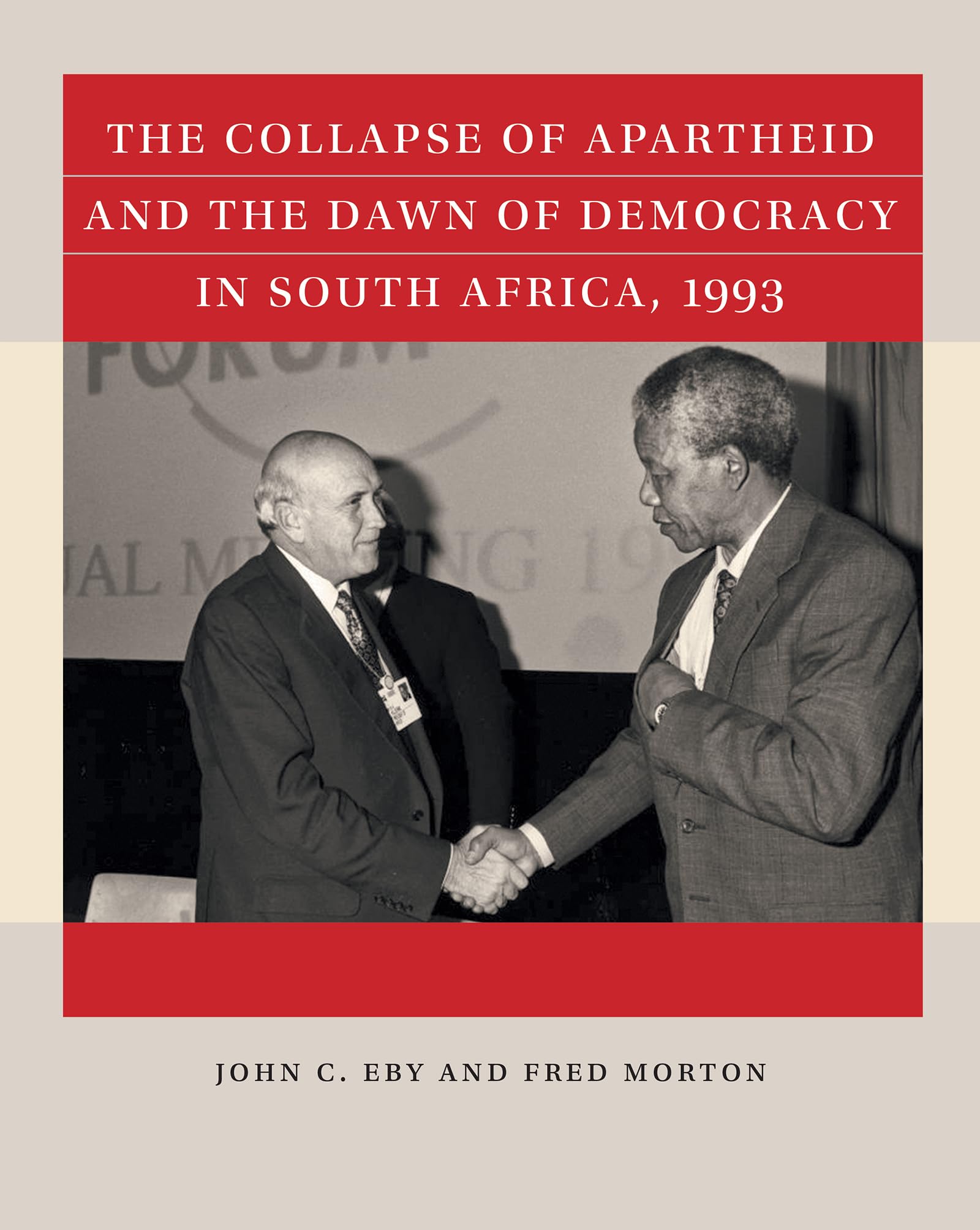
This game situates students in the Multiparty Negotiating Process taking place at the World Trade Center in Kempton Park in 1993. South Africa is facing tremendous social anxiety and violence. The object of the talks, and of the game, is to reach consensus for a constitution that will guide a postapartheid South Africa. The country has immense racial diversitywhite, black, Colored, Indian. For the negotiations, however, race turns out to be less critical than cultural, economic, and political diversity. Students are challenged to understand a complex landscape and to navigate a surprising web of alliances.The game focuses on the problem of transitioning a society conditioned to profound inequalities and harsh political repression into a more democratic, egalitarian system. Students will ponder carefully the meaning of democracy as a concept and may find that justice and equality are not always comfortable partners with liberty. While for the majority of South Africans, universal suffrage was a symbol of new democratic beginnings, it seemed to threaten the lives, families, and livelihoods of minorities and parties outside the African National Congress coalition. These deep tensions in the nature of democracy pose important questions about the character of justice and the best mechanisms for reaching national decisions.Free supplementary materials for this textbook are available at the Reacting to the Past website. Visit https://reacting.barnard.edu/instructorresources, click on the RTTP Game Library link, and create a free account to download what is available.
⚠️ WARNING (California Proposition 65):
This product may contain chemicals known to the State of California to cause cancer, birth defects, or other reproductive harm.
For more information, please visit www.P65Warnings.ca.gov.
- Q: What is the main objective of the game 'The Collapse of Apartheid and the Dawn of Democracy in South Africa'? A: The main objective of the game is to simulate the Multiparty Negotiating Process that took place in South Africa in 1993, helping students to reach consensus on a constitution for a post-apartheid society.
- Q: How does this game address the complexities of South African society? A: The game challenges students to navigate the diverse cultural, economic, and political landscape of South Africa, emphasizing that race is less critical than these other factors in negotiations.
- Q: What themes are explored in this educational game? A: The game explores themes of democracy, justice, equality, and the challenges of transitioning from a society with profound inequalities to a more democratic system.
- Q: Are there any supplementary materials available for this textbook? A: Yes, free supplementary materials are available on the Reacting to the Past website, which can be accessed by creating a free account.
- Q: Who is the author of this game, and when was it published? A: The game is authored by John C. Eby and was published on May 1, 2017.
- Q: What is the condition of the product being offered? A: The product is new and comes in paperback binding.
- Q: How many pages does the game contain? A: The game contains 194 pages.
- Q: What is the target audience for this game? A: The game is designed for students and educators interested in understanding the historical context of South Africa's transition from apartheid to democracy.
- Q: Can this game be used in a classroom setting? A: Yes, the game is specifically designed for educational use, making it suitable for classroom settings to facilitate discussions about democracy and negotiation.
- Q: What makes this game unique compared to other educational games? A: This game uniquely situates students in a critical historical moment, focusing on the real-life challenges of negotiating democracy in a racially diverse society, providing a hands-on learning experience.