If you have any questions, you are always welcome to contact us. We'll get back to you as soon as possible, withing 24 hours on weekdays.
Customer service
All questions about your order, return and delivery must be sent to our customer service team by e-mail at yourstore@yourdomain.com
Sale & Press
If you are interested in selling our products, need more information about our brand or wish to make a collaboration, please contact us at press@yourdomain.com
Help
If you have any questions, you are always welcome to contact us. We'll get back to you as soon as possible, withing 24 hours on weekdays.
Customer service
All questions about your order, return and delivery must be sent to our customer service team by e-mail at yourstore@yourdomain.com
Sale & Press
If you are interested in selling our products, need more information about our brand or wish to make a collaboration, please contact us at press@yourdomain.com
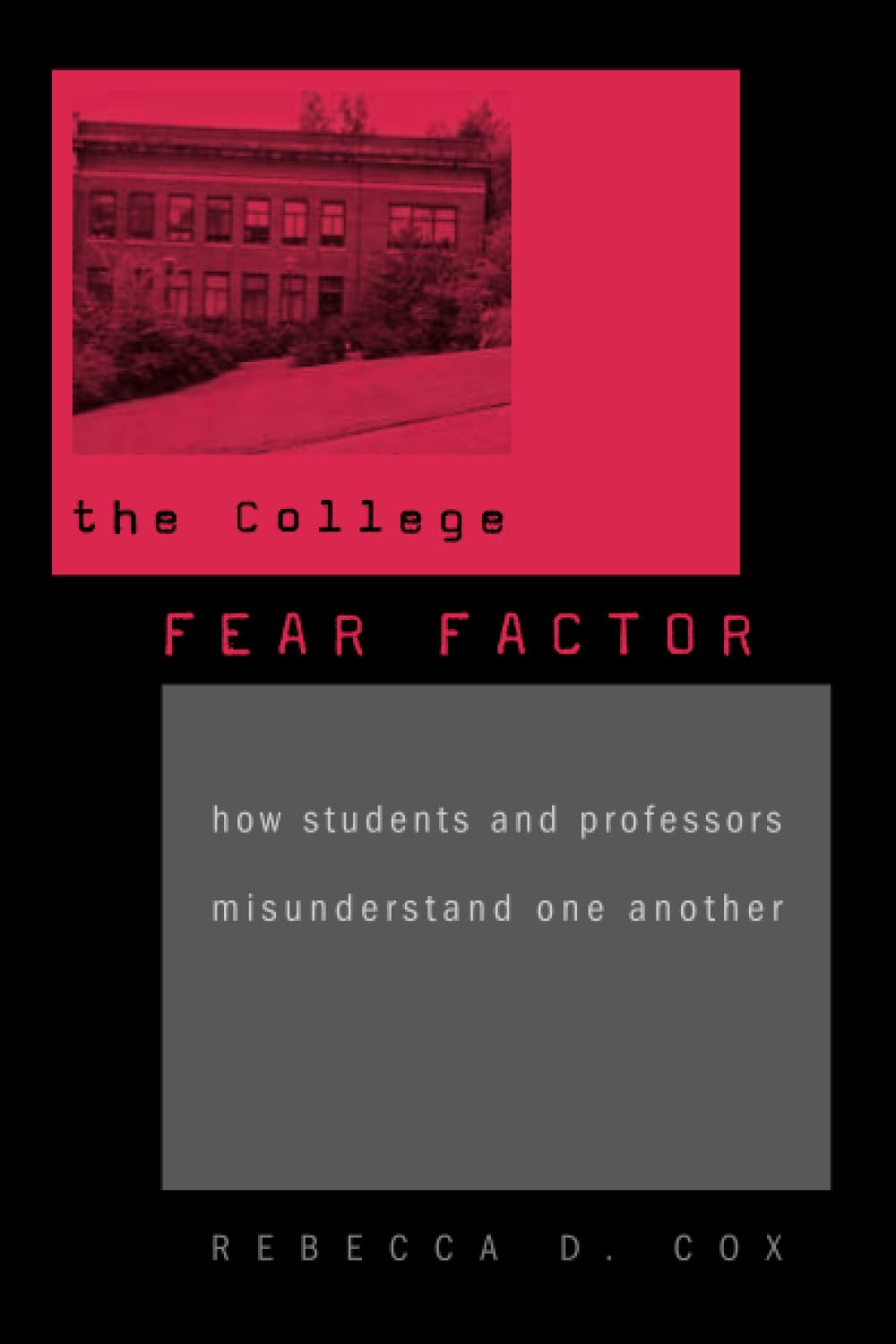
Theyre not the students strolling across the bucolic liberal arts campuses where their grandfathers played football. They are firstgeneration college studentschildren of immigrants and bluecollar workerswho know that their hopes for success hinge on a degree.But college is expensive, unfamiliar, and intimidating. Inexperienced students expect tough classes and demanding, remote faculty. They may not know what an assignment means, what a score indicates, or that a single grade is not a definitive measure of ability. And they certainly dont feel entitled to be there. They do not presume success, and if they have a problem, they dont expect to receive help or even a second chance.Rebecca D. Cox draws on five years of interviews and observations at community colleges. She shows how students and their instructors misunderstand and ultimately fail one another, despite good intentions. Most memorably, she describes how easily students can feel defeatedby their realworld responsibilities and by the demands of collegeand come to conclude that they just dont belong there after all.Eyeopening even for experienced faculty and administrators, The College Fear Factor reveals how the traditional college culture can actually pose obstacles to students success, and suggests strategies for effectively explaining academic expectations.
⚠️ WARNING (California Proposition 65):
This product may contain chemicals known to the State of California to cause cancer,
birth defects, or other reproductive harm.
For MAP (Minimum Advertised Price) violations and Intellectual Property (IP) or Trademark concerns, please contact:
support@ergodebooks.com
⚠️ California Proposition 65 Warning: Some products sold on this website may expose you to chemicals known to the State of California to cause cancer, birth defects, or other reproductive harm. For more information, visit www.P65Warnings.ca.gov.