
Title
The Commodification Of Childhood: The Childrens Clothing Industry And The Rise Of The Child Consumer,New
Sold by Ergodebooks, an authorized reseller.
Returns accepted within 30 days | support@ergodebooks.com
Shipping Information
- Free Standard Shipping — United States only
- Processing Time: 3–5 business days
- Estimated Delivery: 6–10 business days after dispatch
- Double-boxed, fully insured & discreetly packaged
- Tracking number sent via email once dispatched
Returns & Refund
Returns accepted within 30 days of delivery.
Damaged or Defective Item
Free return shipping + replacement or full refund
Wrong Item Received
Free return shipping + replacement or full refund
Change of Mind
Return shipping at customer's expense · 25% restocking fee applies
Payment Option

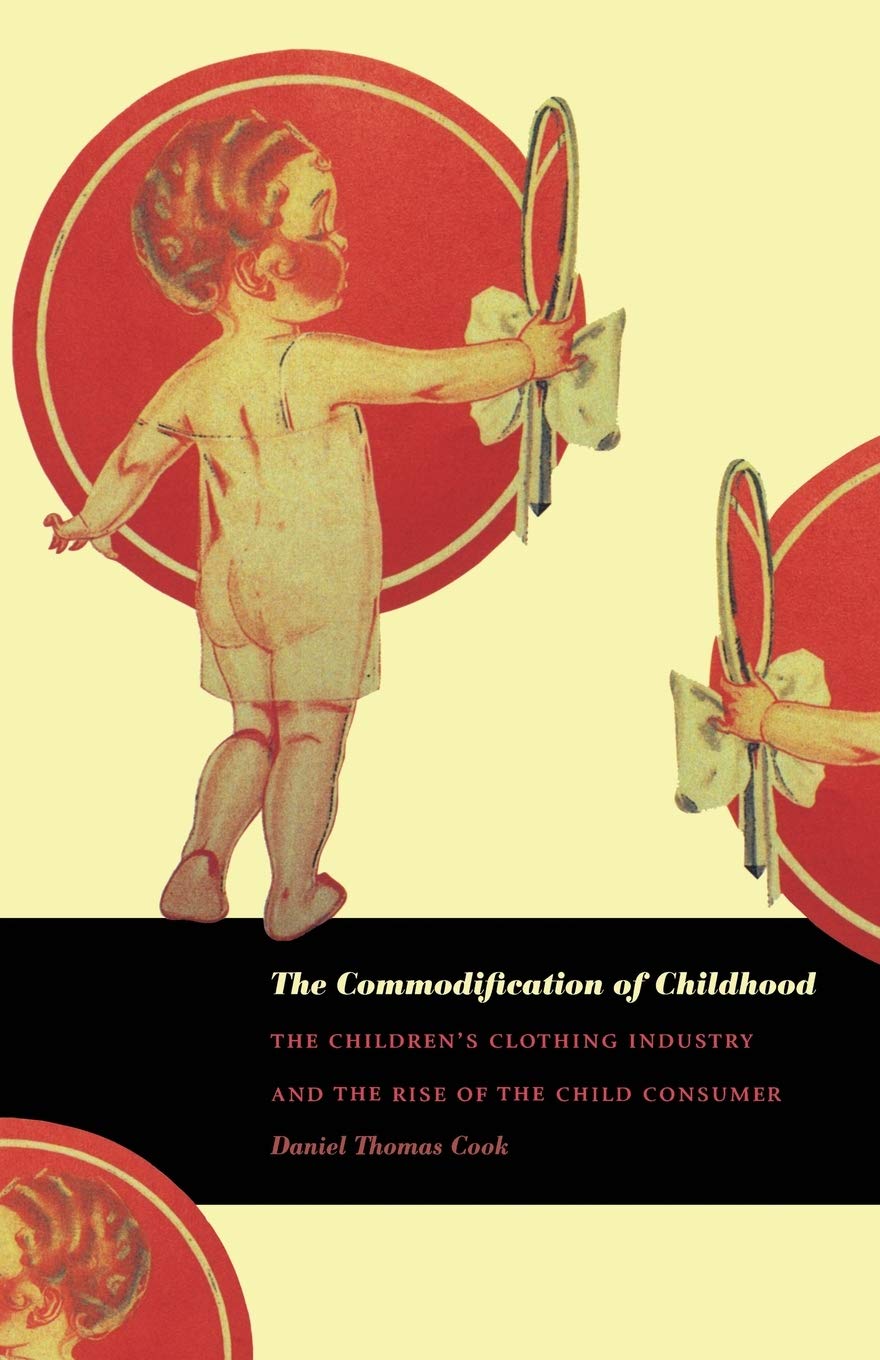
In this revealing social history, Daniel Thomas Cook explores the roots of childrens consumer cultureand the commodification of childhood itselfby looking at the rise, growth, and segmentation of the childrens clothing industry. Cook describes how in the early twentieth century merchants, manufacturers, and advertisers of childrens clothing began to aim commercial messages at the child rather than the mother. Cook situates this fundamental shift in perspective within the broader transformation of the child into a legitimate, individualized, selfcontained consumer.The Commodification of Childhood begins with the publication of the childrens wear industrys first trade journal, The Infants Department, in 1917 and extends into the early 1960s, by which time the changes Cook chronicles were largely complete. Analyzing trade journals and other documentary sources, Cook shows how the industry created a market by developing and promulgating new understandings of the nature, needs, and motivations of the child consumer. He discusses various ways that discursive constructions of the consuming child were made material: in the creation of separate childrens clothing departments, in their segmentation and layout by age and gender gradations (such as infant, toddler, boys, girls, tweens, and teens), in merchants treatment of children as individuals on the retail floor, and in displays designed to appeal directly to children. Ultimately, The Commodification of Childhood provides a compelling argument that any consideration of the child must necessarily take into account how childhood came to be understood through, and structured by, a market idiom.
⚠️ WARNING (California Proposition 65):
This product may contain chemicals known to the State of California to cause cancer, birth defects, or other reproductive harm.
For more information, please visit www.P65Warnings.ca.gov.