
Title
The Composition Of Kepler'S Astronomia Nova.,Used
Sold by Ergodebooks, an authorized reseller.
Returns accepted within 30 days | support@ergodebooks.com
Shipping Information
- Free Standard Shipping — United States only
- Processing Time: 3–5 business days
- Estimated Delivery: 6–10 business days after dispatch
- Double-boxed, fully insured & discreetly packaged
- Tracking number sent via email once dispatched
Returns & Refund
Returns accepted within 30 days of delivery.
Damaged or Defective Item
Free return shipping + replacement or full refund
Wrong Item Received
Free return shipping + replacement or full refund
Change of Mind
Return shipping at customer's expense · 25% restocking fee applies
Payment Option

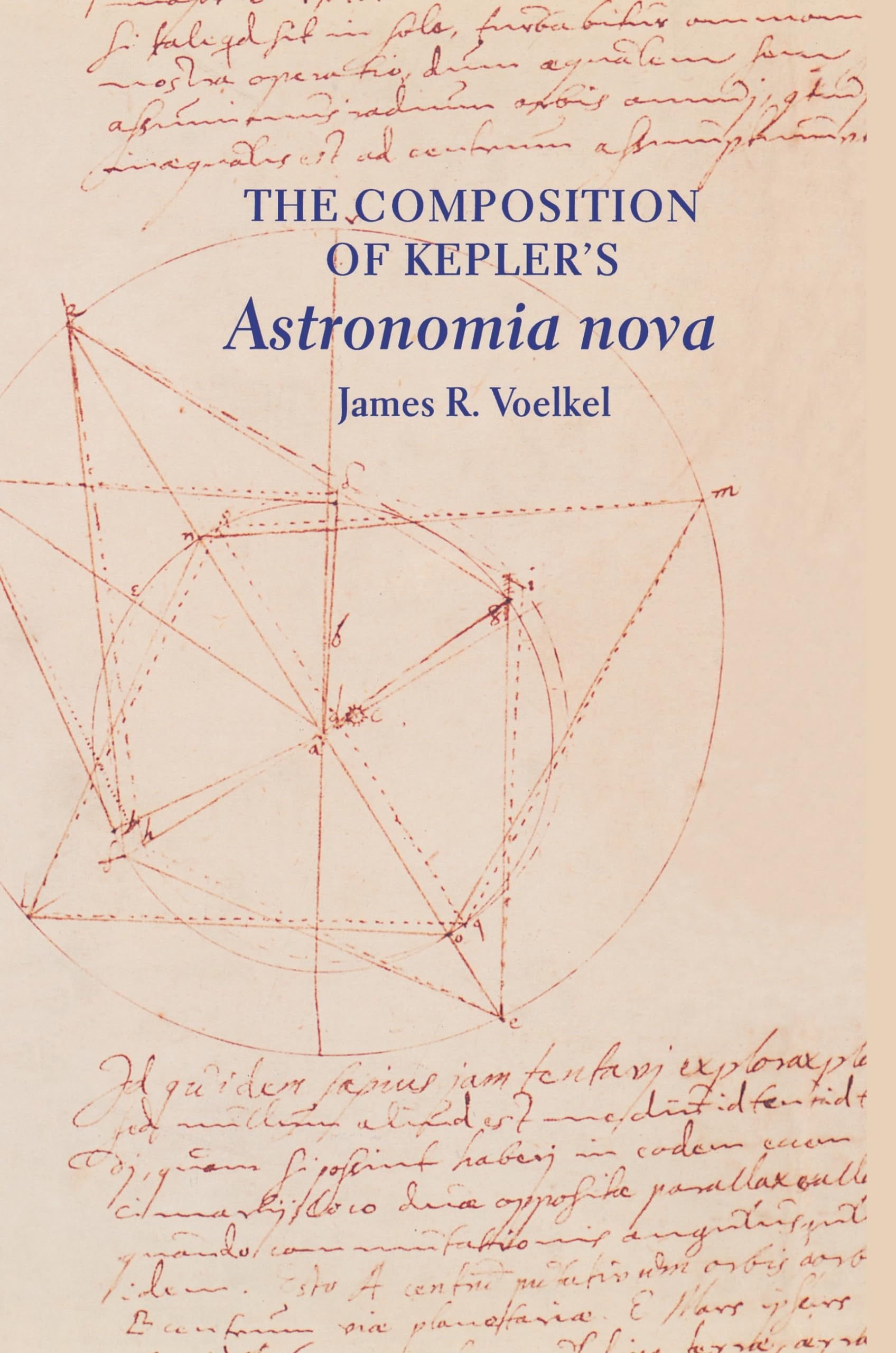
This is one of the most important studies in decades on Johannes Kepler, among the towering figures in the history of astronomy. Drawing extensively on Kepler's correspondence and manuscripts, James Voelkel reveals that the strikingly unusual style of Kepler's magnum opus, Astronomia nova (1609), has been traditionally misinterpreted. Kepler laid forth the first two of his three laws of planetary motion in this work. Instead of a straightforward presentation of his results, however, he led readers on a wild goose chase, recounting the many errors and false starts he had experienced. This had long been deemed a ''confessional'' mirror of the daunting technical obstacles Kepler faced. As Voelkel amply demonstrates, it is not.Voelkel argues that Kepler's style can be understood only in the context of the circumstances in which the book was written. Starting with Kepler's earliest writings, he traces the development of the astronomer's ideas of how the planets were moved by a force from the sun and how this could be expressed mathematically. And he shows how Kepler's once broader research program was diverted to a detailed examination of the motion of Mars. Above all, Voelkel shows that Kepler was well aware of the harsh reception his work would receiveboth from Tycho Brahe's heirs and from contemporary astronomers; and how this led him to an avowedly rhetorical pseudohistorical presentation of his results. In treating Kepler at last as a figure in time and not as independent of it, this work will be welcomed by historians of science, astronomers, and historians.
⚠️ WARNING (California Proposition 65):
This product may contain chemicals known to the State of California to cause cancer, birth defects, or other reproductive harm.
For more information, please visit www.P65Warnings.ca.gov.