If you have any questions, you are always welcome to contact us. We'll get back to you as soon as possible, withing 24 hours on weekdays.
Customer service
All questions about your order, return and delivery must be sent to our customer service team by e-mail at yourstore@yourdomain.com
Sale & Press
If you are interested in selling our products, need more information about our brand or wish to make a collaboration, please contact us at press@yourdomain.com
Help
If you have any questions, you are always welcome to contact us. We'll get back to you as soon as possible, withing 24 hours on weekdays.
Customer service
All questions about your order, return and delivery must be sent to our customer service team by e-mail at yourstore@yourdomain.com
Sale & Press
If you are interested in selling our products, need more information about our brand or wish to make a collaboration, please contact us at press@yourdomain.com
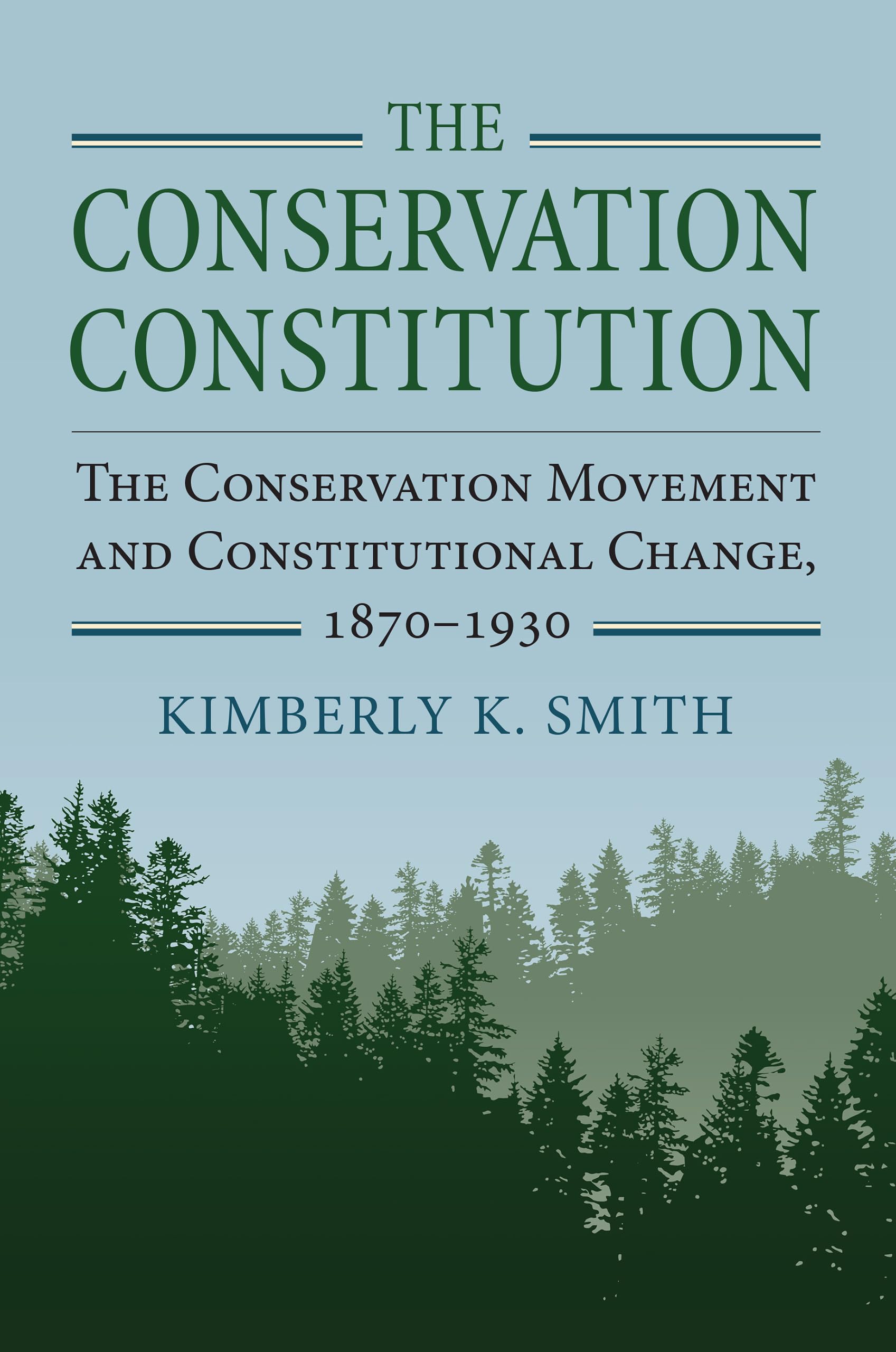
Over the course of the twentieth century, the United States emerged as a global leader in conservation policynegotiating the first international conservation treaties, pioneering the idea of the national park, and leading the world in creating a modern environmental regulatory regime. And yet, this is a country famously committed to the ideals of limited government, decentralization, and strong protection of property rights. How these contradictory values have been reconciled, not always successfully, is what Kimberly K. Smith sets out to explain in The Conservation Constitutiona book that brings to light the roots of contemporary constitutional conflict over environmental policy.In the midnineteenth century, most Progressive Era conservation policies would have been considered unconstitutional. Smith traces how, between 1870 and 1930, the conservation movement reshaped constitutional doctrine to its purposehow, specifically, courts and lawyers worked to expand government authority to manage wildlife, forest and water resources, and pollution. Her work, which highlights a number of important Supreme Court decisions often overlooked in accounts of this period, brings the history of environmental management more fully into the story of the US Constitution. At the same time, illuminating the doctrinal innovation in the Progressives efforts, her book reveals the significance of constitutional history to an understanding of the governments role in environmental management.
⚠️ WARNING (California Proposition 65):
This product may contain chemicals known to the State of California to cause cancer,
birth defects, or other reproductive harm.
For MAP (Minimum Advertised Price) violations and Intellectual Property (IP) or Trademark concerns, please contact:
support@ergodebooks.com
⚠️ California Proposition 65 Warning: Some products sold on this website may expose you to chemicals known to the State of California to cause cancer, birth defects, or other reproductive harm. For more information, visit www.P65Warnings.ca.gov.