
Title
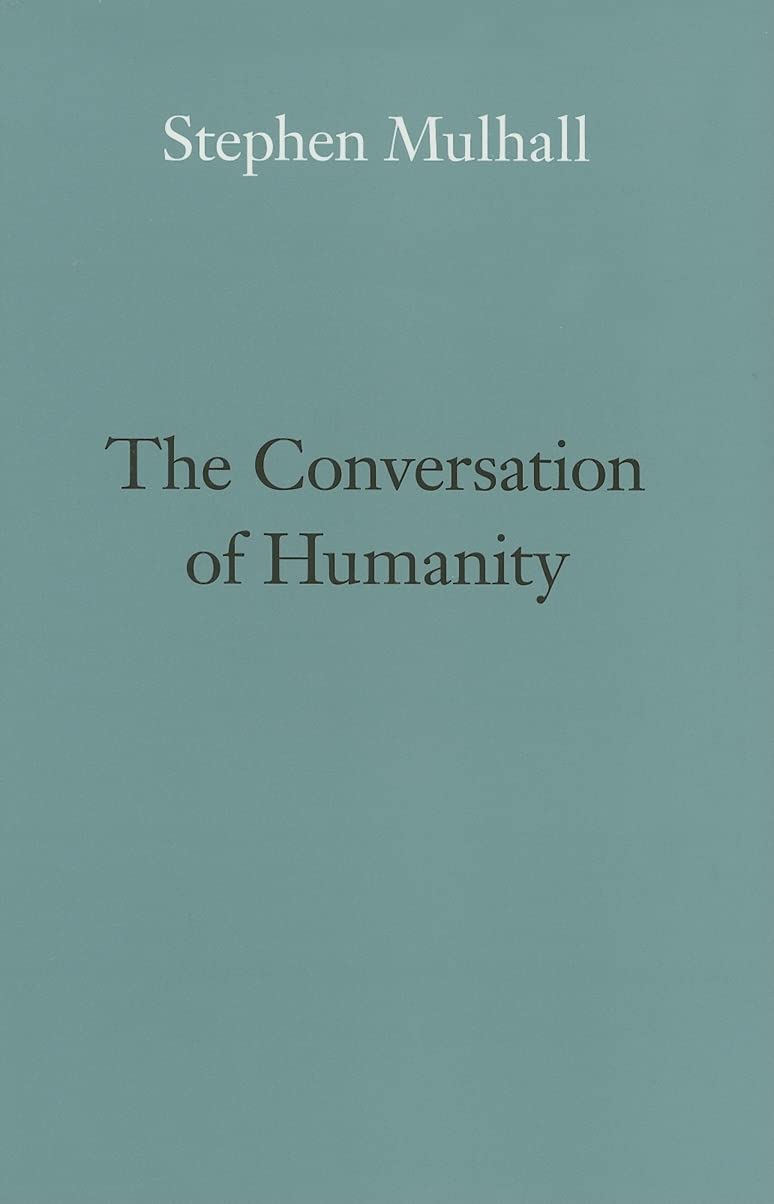
The Conversation Of Humanity (Pagebarbour Lectures),Used
Sold by Ergodebooks, an authorized reseller.
Returns accepted within 30 days | support@ergodebooks.com
Shipping Information
- Free Standard Shipping — United States only
- Processing Time: 3–5 business days
- Estimated Delivery: 6–10 business days after dispatch
- Double-boxed, fully insured & discreetly packaged
- Tracking number sent via email once dispatched
Returns & Refund
Returns accepted within 30 days of delivery.
Damaged or Defective Item
Free return shipping + replacement or full refund
Wrong Item Received
Free return shipping + replacement or full refund
Change of Mind
Return shipping at customer's expense · 25% restocking fee applies
Payment Option

Based on the authors PageBarbour lectures, delivered at the University of Virginia in 2005, The Conversation of Humanity critically examines the idea that the nature of language can best be understood in terms of the model or figure of conversation. According to this idea, language has an essentially dialogical or discursive structure, reflecting the ways in which different dimensions of the cultural economy bear upon each other. Mulhall addresses the peculiar way in which philosophy must be understood both as one of those interlocking elements and as the place in which the culture reflects upon its own overarching unity. The book explores the articulation of these ideas in the work of Wittgenstein, Heidegger, and Cavell in ways that cross the divide between the 'analytical' and 'Continental' philosophical traditions, and shows how they bear upon the idea of moral perfectionism and its conception of the internal structure of self.The link Mulhall clarifies between the fate of philosophy and the fate of culture helps explain why sophistry or nihilism is such a profound threat, both to philosophy and to culture. Resistance to nihilism, in fact, comes to appear as the central concern of a certain tradition of moral perfectionism that Cavell has associated with Emerson and Thoreau, and with a variety of other creative figures in philosophy, literature, and cinema.The book concludes, as it begins, with an examination of the ways in which the interrelatedness of language and culture can be seen to draw upon and reconfigure essentially religious forms of thought.PageBarbour Lectures
⚠️ WARNING (California Proposition 65):
This product may contain chemicals known to the State of California to cause cancer, birth defects, or other reproductive harm.
For more information, please visit www.P65Warnings.ca.gov.