
Title
The Country In The City: The Greening Of The San Francisco Bay Area (Weyerhaeuser Environmental Books)
Sold by Ergodebooks, an authorized reseller.
Returns accepted within 30 days | support@ergodebooks.com
Shipping Information
- Free Standard Shipping — United States only
- Processing Time: 3–5 business days
- Estimated Delivery: 6–10 business days after dispatch
- Double-boxed, fully insured & discreetly packaged
- Tracking number sent via email once dispatched
Returns & Refund
Returns accepted within 30 days of delivery.
Damaged or Defective Item
Free return shipping + replacement or full refund
Wrong Item Received
Free return shipping + replacement or full refund
Change of Mind
Return shipping at customer's expense · 25% restocking fee applies
Payment Option

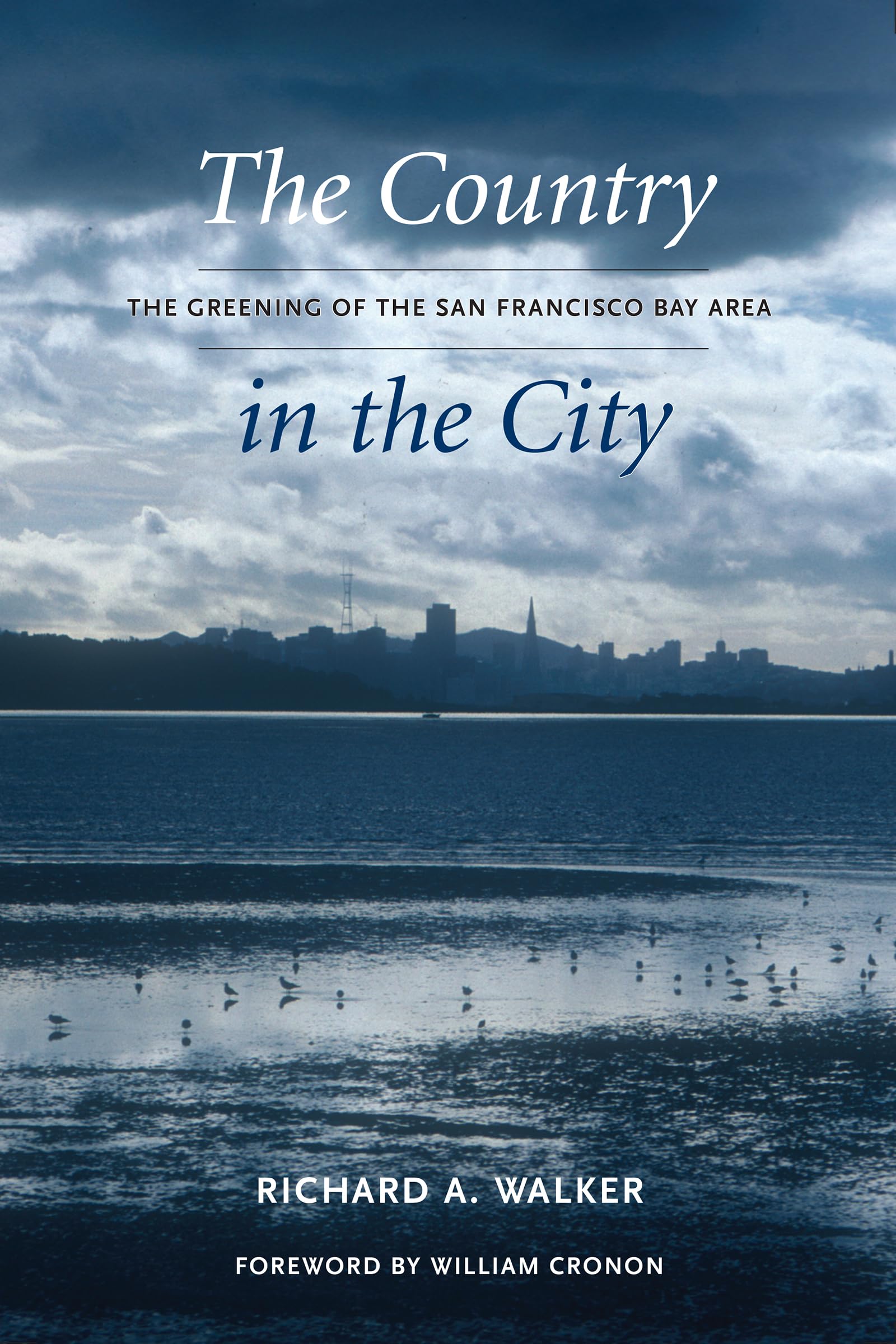
Winner Of The Western History Association'S 2009 Hal K. Rothman Awardfinalist In The Western Writers Of America Spur Award For The Western Nonfiction Contemporary Category (2008).The San Francisco Bay Area Is One Of The World'S Most Beautiful Cities. Despite A Population Of 7 Million People, It Is More Greensward Than Asphalt Jungle, More Open Space Than Hardscape. A Vast Quilt Of Countryside Is Tucked Into The Folds Of The Metropolis, Stitched From Fields, Farms And Woodlands, Mines, Creeks, And Wetlands. In The Country In The City, Richard Walker Tells The Story Of How The Jigsaw Geography Of This Greenbelt Has Been Set Into Place.The Bay Area'S Civic Landscape Has Been Fought Over Acre By Acre, An Arduous Process Requiring Popular Mobilization, Political Will, And Hard Work. Its Most Cherished Environmentsmount Tamalpais, Napa Valley, San Francisco Bay, Point Reyes, Mount Diablo, The Pacific Coasthave Engendered Some Of The Fiercest Environmental Battles In The Country And Have Made The Region A Leader In Green Ideas And Organizations.This Book Tells How The Bay Area Got Its Green Grove: From The Stirrings Of Conservation In The Time Of John Muir To Origins Of The Recreational Parks And Coastal Preserves In The Early Twentieth Century, From The Fight To Stop Bay Fill And Control Suburban Growth After The Second World War To Securing Conservation Easements And Stopping Toxic Pollution In Our Times. Here, Modern Environmentalism First Became A Mass Political Movement In The 1960S, With The Sudden Blooming Of The Sierra Club And Save The Bay, And It Remains A Global Center Of Environmentalism To This Day.Green Values Have Been A Pillar Of Bay Area Life And Politics For More Than A Century. It Is An Environmentalism Grounded In Local Places And Personal Concerns, Close To The Heart Of The City. Yet This Vision Of What A City Should Be Has Always Been Informed By Liberal, Even Utopian, Ideas Of Nature, Planning, Government, And Democracy. In The End, Green Is One Of The Primary Colors In The Flag Of The Left Coast, Where Green Enthusiasms, Like Open Space, Are Built Into The Fabric Of Urban Life.Written In A Lively And Accessible Style, The Country In The City Will Be Of Interest To General Readers And Environmental Activists. At The Same Time, It Speaks To Fundamental Debates In Environmental History, Urban Planning, And Geography.
⚠️ WARNING (California Proposition 65):
This product may contain chemicals known to the State of California to cause cancer, birth defects, or other reproductive harm.
For more information, please visit www.P65Warnings.ca.gov.
- Q: How many pages does the book have? A: The book has four hundred twenty-four pages. It provides an in-depth look at environmental history in the San Francisco Bay Area.
- Q: What is the binding type of the book? A: The book is available in paperback binding. This makes it lightweight and easy to handle for reading.
- Q: What are the dimensions of the book? A: The book measures nine and a half inches in length, one inch in width, and five and three-quarters inches in height. These dimensions make it a portable read.
- Q: Who is the author of the book? A: The author is Richard A. Walker. He is known for his contributions to environmental history and urban planning.
- Q: What genre does this book belong to? A: The book belongs to the Landscape genre. It explores the intersection of urban life and environmentalism.
- Q: Is this book suitable for environmental activists? A: Yes, the book is suitable for environmental activists. It discusses key battles in environmentalism and offers insights into urban planning.
- Q: Can general readers understand this book? A: Yes, general readers can easily understand this book. It is written in a lively and accessible style.
- Q: Is this book appropriate for academic use? A: Yes, the book is appropriate for academic use. It addresses fundamental debates in environmental history and urban geography.
- Q: How do I care for this paperback book? A: To care for the paperback book, keep it in a dry, cool place and avoid exposure to direct sunlight. This will help preserve its quality.
- Q: What is the recommended storage for this book? A: It is recommended to store this book upright on a shelf. This prevents bending or damage to the pages.
- Q: What should I do if the book arrives damaged? A: If the book arrives damaged, contact the seller for a return or exchange. They typically have policies in place to address such issues.
- Q: Does this book have any hazardous materials? A: No, the book does not contain any hazardous materials. It is safe for general reading.
- Q: What are the main themes discussed in the book? A: The main themes include environmental battles, urban planning, and the evolution of conservation in the Bay Area. It highlights grassroots movements.
- Q: Is there a specific audience for this book? A: The book appeals to both environmental activists and general readers interested in urban geography. Its insights resonate with a broad audience.
- Q: Does this book include illustrations or photos? A: No, the book does not include illustrations or photos. It focuses on textual content to convey its themes.
- Q: Can I find this book in libraries? A: Yes, this book is likely available in libraries. Many academic and public libraries carry environmental and urban studies titles.