
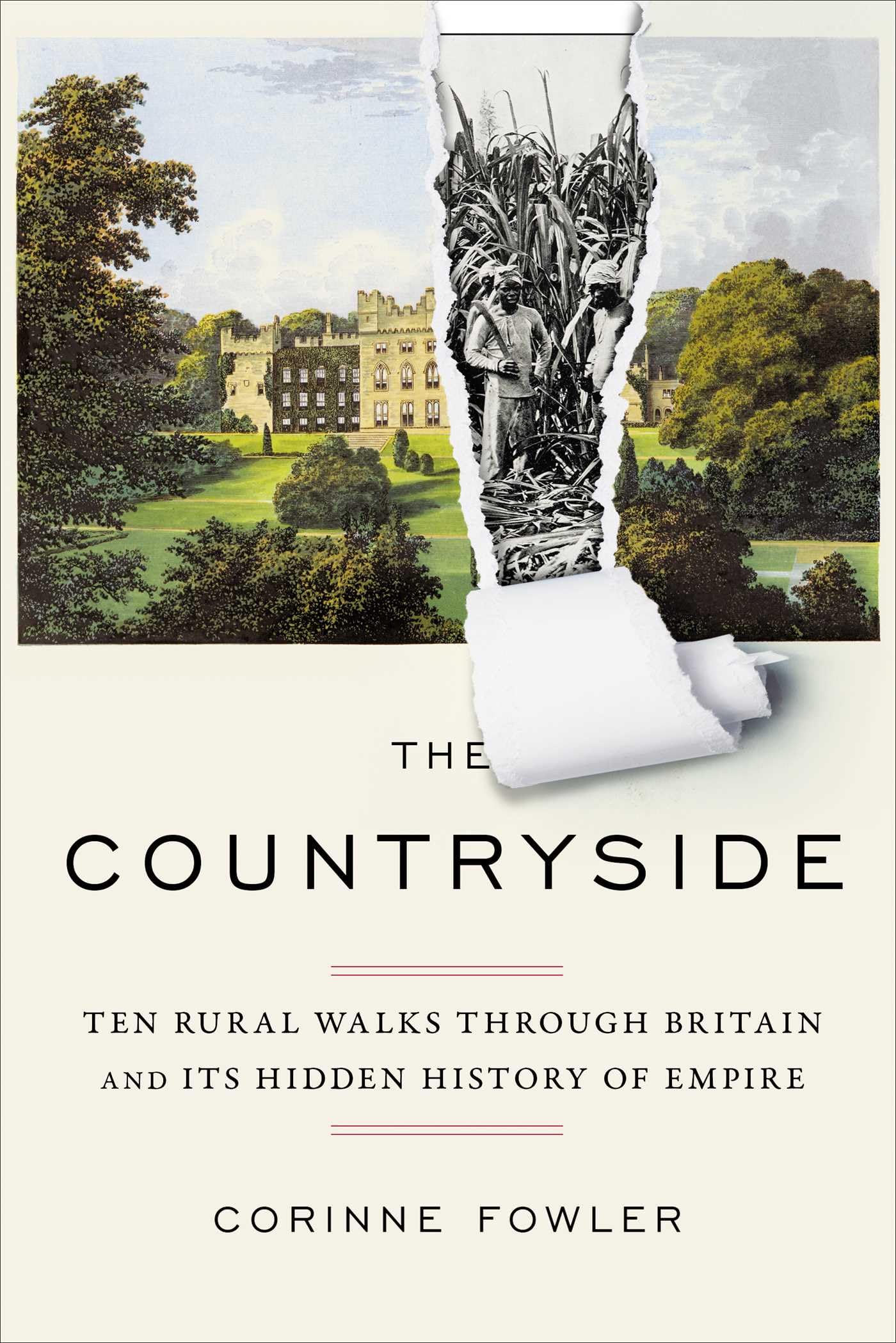
Title
The Countryside: Ten Rural Walks Through Britain And Its Hidden History Of Empire
Sold by Ergodebooks, an authorized reseller.
Returns accepted within 30 days | support@ergodebooks.com
Shipping Information
- Free Standard Shipping — United States only
- Processing Time: 3–5 business days
- Estimated Delivery: 6–10 business days after dispatch
- Double-boxed, fully insured & discreetly packaged
- Tracking number sent via email once dispatched
Returns & Refund
Returns accepted within 30 days of delivery.
Damaged or Defective Item
Free return shipping + replacement or full refund
Wrong Item Received
Free return shipping + replacement or full refund
Change of Mind
Return shipping at customer's expense · 25% restocking fee applies
Payment Option

Ten Walks Through Idyllic Scenery Reveal The Countrysides Forgotten Links To Transatlantic Slavery And Colonialisma Work Of Accessible History That Will Transform Our Understanding Of British Landscapes And Heritage.The Green Fields, Rugged Highlands, And Rolling Hills Of England, Scotland, And Wales Are Commonly Associated With Adventure, Romance, And Seclusion As Well As Literary Figures Like Jane Austen And William Wordsworth. But In Reality, Many Of These Rural Placeswith Their Country Houses, Lakes, And Shorelineswere Profoundly Changed By British Colonial Activity. Even Hamlets And Villages Were Affected By Distant Colonial Events.Taking Ten Country Walks, Author Corinne Fowler Explores The Unique Colonial Dimensions Of British Agriculture, Coppermining, Landownership, Woolmaking, Coastal Trade, And Factory Work In Cotton Mills. One Route Shows The Links Between English Country Houses And Indian Colonization. Another Explores Banking History In Southern England And Its Link To Slavery On Louisianan Plantations. Other Walks Uncover The Historical Impact Of Sugar Profits On The Scottish Isles And 18Thcentury Tobacco Imports On An English Coastal Port. The History Of These Countryside Locationsand The People Who Lived And Worked In Themis Closely Bound Up With Colonial Rule In Faraway Continents.Accompanying The Author On Her Walks Are A Fascinating Group Of Peopleartists, Musicians, And Writerswith Strong Attachments To The Landscapes Featured In This Book And Family Links To Former British Colonies Like Barbados And Senegal. These Companions Illuminate The Meaning Of Colonial History In Local Settings. Crucially, This Is Not Just A History Book But A Compassionate Reflection On The Way We Respond To Sensitive, Shared Histories Which Link People Across Cultures, Generations, And Political Divides.
⚠️ WARNING (California Proposition 65):
This product may contain chemicals known to the State of California to cause cancer, birth defects, or other reproductive harm.
For more information, please visit www.P65Warnings.ca.gov.
- Q: How many pages does the book have? A: The book has four hundred thirty-two pages. This length allows for an in-depth exploration of rural Britain's history and its connections to colonialism.
- Q: What is the binding of this book? A: The book is bound in hardcover. This durable binding ensures longevity and makes it suitable for regular reading and display.
- Q: What are the dimensions of the book? A: The book measures six inches in length, one point two inches in width, and nine point zero two inches in height. These dimensions make it manageable for reading and carrying.
- Q: Who is the author of the book? A: The author of the book is Corinne Fowler. She is a scholar who provides insights into the connections between rural Britain and its colonial past.
- Q: What is the genre of this book? A: The book falls under the genre of historical non-fiction. It combines travel writing with critical analysis of Britain's hidden colonial history.
- Q: Is this book suitable for young adults? A: Yes, the book is suitable for young adults. Its themes are educational and thought-provoking, making it a great choice for older teens interested in history.
- Q: How do I approach the walks described in the book? A: The walks can be approached as leisurely explorations of rural Britain. Readers are encouraged to engage with the landscapes while reflecting on the historical context provided.
- Q: Can this book be used for educational purposes? A: Yes, this book can be used for educational purposes. It serves as a resource for understanding the impacts of colonialism in Britain, making it valuable for history classes.
- Q: What is the recommended reading level for this book? A: The recommended reading level for this book is high school and above. Its complex themes and language are best suited for more mature readers.
- Q: How should I store the book to keep it in good condition? A: Store the book upright on a shelf in a cool, dry place. This will help preserve its condition and prevent damage to the binding and pages.
- Q: Is this book safe for all age groups? A: Yes, the book is generally safe for all age groups. However, it deals with sensitive historical topics that may require parental guidance for younger readers.
- Q: What if the book arrives damaged? A: If the book arrives damaged, you should contact the seller for a return or exchange. Most sellers have policies in place to handle such issues.
- Q: Can I find information about the author’s background in the book? A: Yes, the book includes insights into the author’s background and her motivations for exploring the historical themes. This context enriches the reader's understanding.
- Q: What should I do if I want to learn more about the topics covered? A: If you want to learn more, consider checking the bibliography and references in the book. These sections often lead to additional resources and readings.
- Q: Are there any illustrations or maps in the book? A: Yes, the book includes illustrations and possibly maps that enhance the exploration of the walks and historical contexts discussed.
- Q: Is this book part of a series? A: No, this book is not part of a series. It stands alone as a comprehensive examination of rural Britain's historical connections.