If you have any questions, you are always welcome to contact us. We'll get back to you as soon as possible, withing 24 hours on weekdays.
Customer service
All questions about your order, return and delivery must be sent to our customer service team by e-mail at yourstore@yourdomain.com
Sale & Press
If you are interested in selling our products, need more information about our brand or wish to make a collaboration, please contact us at press@yourdomain.com
Help
If you have any questions, you are always welcome to contact us. We'll get back to you as soon as possible, withing 24 hours on weekdays.
Customer service
All questions about your order, return and delivery must be sent to our customer service team by e-mail at yourstore@yourdomain.com
Sale & Press
If you are interested in selling our products, need more information about our brand or wish to make a collaboration, please contact us at press@yourdomain.com
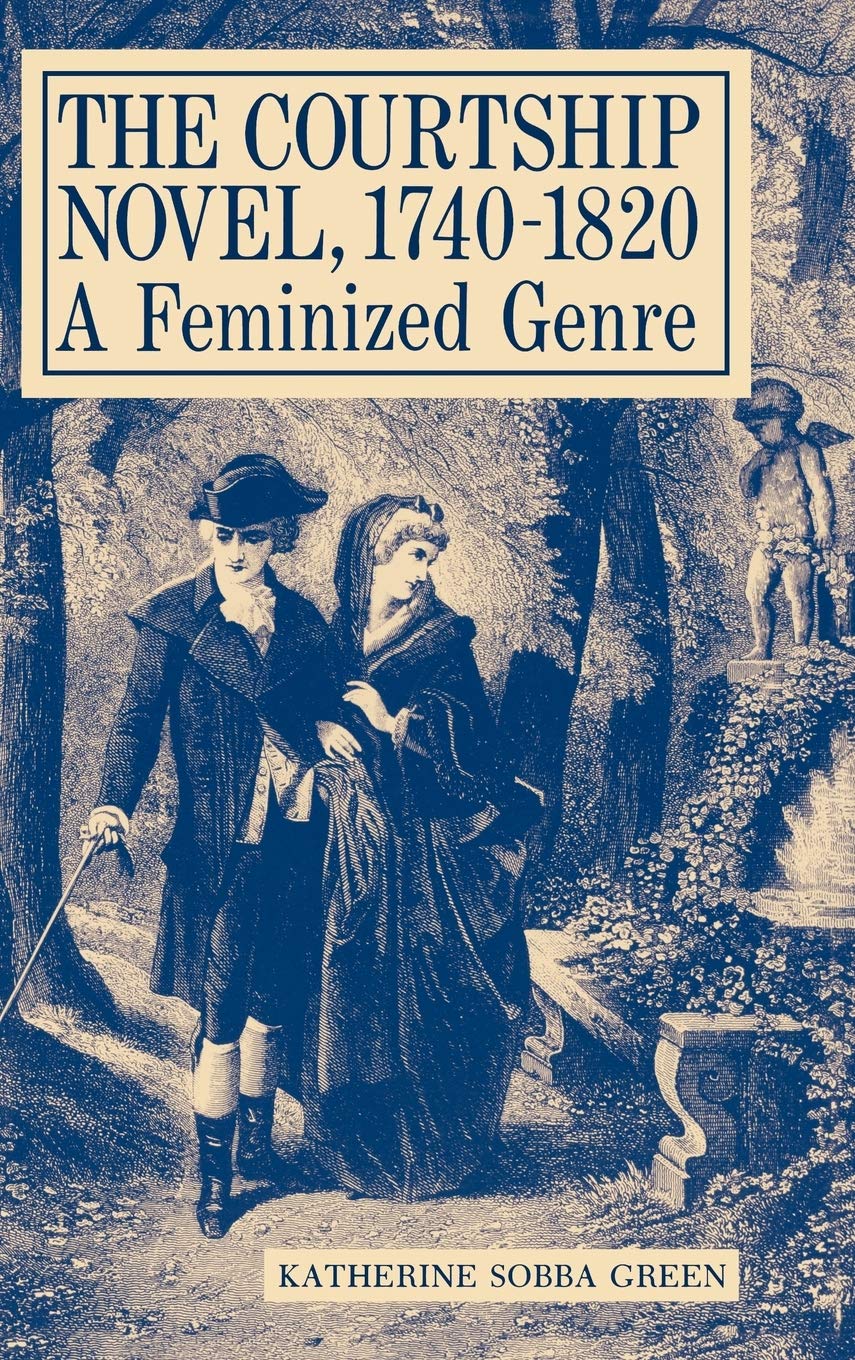
The period from her first London assembly to her wedding day was the narrow span of autonomy for a middleclass Englishwoman in the eighteenth and early nineteenth centuries. For many women, as Katherine Sobba Green shows, the new ideal of companionate marriage involved such thoroughgoing revisions in selfperception that a new literary form was needed to represent their altered roles.That the choice among suitors ideally depended on love and should not be decided on any other grounds was a principal theme among a group of heroinecentered novels published between 1740 and 1820. During these decades, some two dozen writers, most of them women, published such courtship novels. Specifically aiming them at young women readers, these novelists took as their common purpose the disruption of established ideas about how dutiful daughters and prudent young women should comport themselves during courtship. Reading a wide range of primary texts, Green argues that the courtship novel was a feminized genrewritten about, by, and for women.She challenges contemporary readers to appreciate the subtleties of early feminism in novels by Eliza Haywood, Mary Collyer, Charlotte Lennox, Samuel Richardson, Frances Brooke, Fanny Burney, Mary Wollstonecraft, Jane West, Mary Brunton, Maria Edgeworth, and Jane Austento recognize that these courtship novelists held in common a desire to reimagine the subject positions through which women understood themselves.
⚠️ WARNING (California Proposition 65):
This product may contain chemicals known to the State of California to cause cancer,
birth defects, or other reproductive harm.
For MAP (Minimum Advertised Price) violations and Intellectual Property (IP) or Trademark concerns, please contact:
support@ergodebooks.com
⚠️ California Proposition 65 Warning: Some products sold on this website may expose you to chemicals known to the State of California to cause cancer, birth defects, or other reproductive harm. For more information, visit www.P65Warnings.ca.gov.