
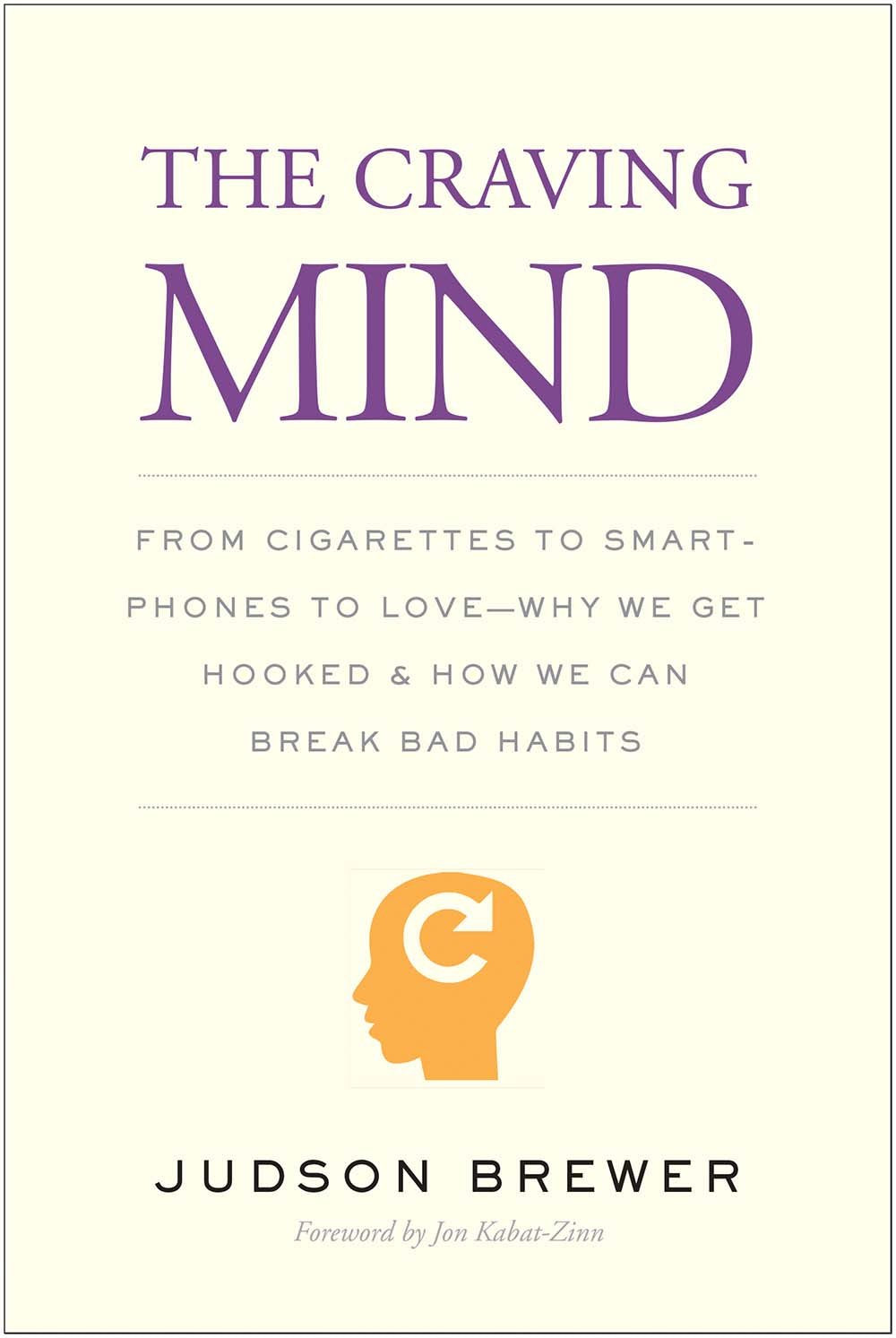
The Craving Mind: From Cigarettes To Smartphones To Love Why We Get Hooked And How We Can Break Bad Habits
$15.08
Title
The Craving Mind: From Cigarettes To Smartphones To Love Why We Get Hooked And How We Can Break Bad Habits
Free Standard Shipping Across USA
Quantity
Sold by Ergodebooks, an authorized reseller.
Returns accepted within 30 days | support@ergodebooks.com
Shipping Information
- Free Standard Shipping — United States only
- Processing Time: 3–5 business days
- Estimated Delivery: 6–10 business days after dispatch
- Double-boxed, fully insured & discreetly packaged
- Tracking number sent via email once dispatched
Returns & Refund
Returns accepted within 30 days of delivery.
Damaged or Defective Item
Free return shipping + replacement or full refund
Wrong Item Received
Free return shipping + replacement or full refund
Change of Mind
Return shipping at customer's expense · 25% restocking fee applies
All returns require a Return Authorization (RA) number before sending.
View Full Return & Refund Policy
Payment Option

The Craving Mind: From Cigarettes To Smartphones To Love Why We Get Hooked And How We Can Break Bad Habits
⚠️ WARNING (California Proposition 65):
This product may contain chemicals known to the State of California to cause cancer, birth defects, or other reproductive harm.
For more information, please visit www.P65Warnings.ca.gov.
- Q: What is the page count of this book? A: This book has two hundred fifty-six pages. It provides extensive insights into the science of addiction and mindfulness.
- Q: What are the dimensions of 'The Craving Mind'? A: The book measures eight point three one inches in length, five point eight inches in width, and one point one inches in height. These dimensions make it a manageable size for reading.
- Q: What is the binding type of this book? A: This book features hardcover binding. This type of binding is known for its durability and aesthetic appeal.
- Q: How can I use the insights from this book? A: You can apply the insights by practicing mindfulness techniques outlined in the book. These practices help interrupt harmful habits and promote healthier behaviors.
- Q: Is this book suitable for beginners in mindfulness? A: Yes, this book is suitable for beginners. It combines scientific research with relatable experiences, making it accessible to all readers.
- Q: What age group is this book appropriate for? A: This book is appropriate for adults and older teens. Its themes of addiction and mindfulness are relevant to those seeking personal growth.
- Q: How should I care for this hardcover book? A: To keep the book in good condition, store it upright in a dry place. Avoid exposure to excessive moisture and direct sunlight.
- Q: Is there a warranty for this book? A: No, there is typically no warranty for books. However, if it arrives damaged, you may contact the retailer for a return or exchange.
- Q: How can I keep the book clean? A: To keep the book clean, gently wipe the cover with a dry cloth. Avoid using any liquids that could damage the pages.
- Q: How does this book compare to other self-help books? A: This book stands out by integrating neuroscience with practical mindfulness techniques. It offers a unique perspective on overcoming addiction compared to traditional self-help literature.
- Q: Is this book helpful for someone struggling with addiction? A: Yes, this book is helpful for those struggling with addiction. It provides scientific insights and practical methods for breaking bad habits.
- Q: Can this book be beneficial for stress relief? A: Yes, the book offers strategies for reducing stress through mindfulness. Readers can learn techniques to manage cravings and anxiety effectively.
- Q: What if the book arrives damaged? A: If the book arrives damaged, you should contact the seller within their return policy period. Most retailers will offer a replacement or refund.
- Q: Does this book include scientific studies? A: Yes, the book includes references to scientific studies on addiction and mindfulness. It is well-researched and based on years of clinical experience.
- Q: Can I gift this book to someone? A: Yes, this book makes an excellent gift for anyone interested in self-improvement or mindfulness. Its accessible language appeals to a broad audience.
- Q: What is the author’s background? A: Judson Brewer, the author, is a psychiatrist and neuroscientist. He has spent two decades studying addiction and mindfulness, providing him with credible expertise.