
Title
The Crisis of the Seventeenth Century: Religion, the Reformation, and Social Change,Used
Sold by Ergodebooks, an authorized reseller.
Returns accepted within 30 days | support@ergodebooks.com
Shipping Information
- Free Standard Shipping — United States only
- Processing Time: 3–5 business days
- Estimated Delivery: 6–10 business days after dispatch
- Double-boxed, fully insured & discreetly packaged
- Tracking number sent via email once dispatched
Returns & Refund
Returns accepted within 30 days of delivery.
Damaged or Defective Item
Free return shipping + replacement or full refund
Wrong Item Received
Free return shipping + replacement or full refund
Change of Mind
Return shipping at customer's expense · 25% restocking fee applies
Payment Option

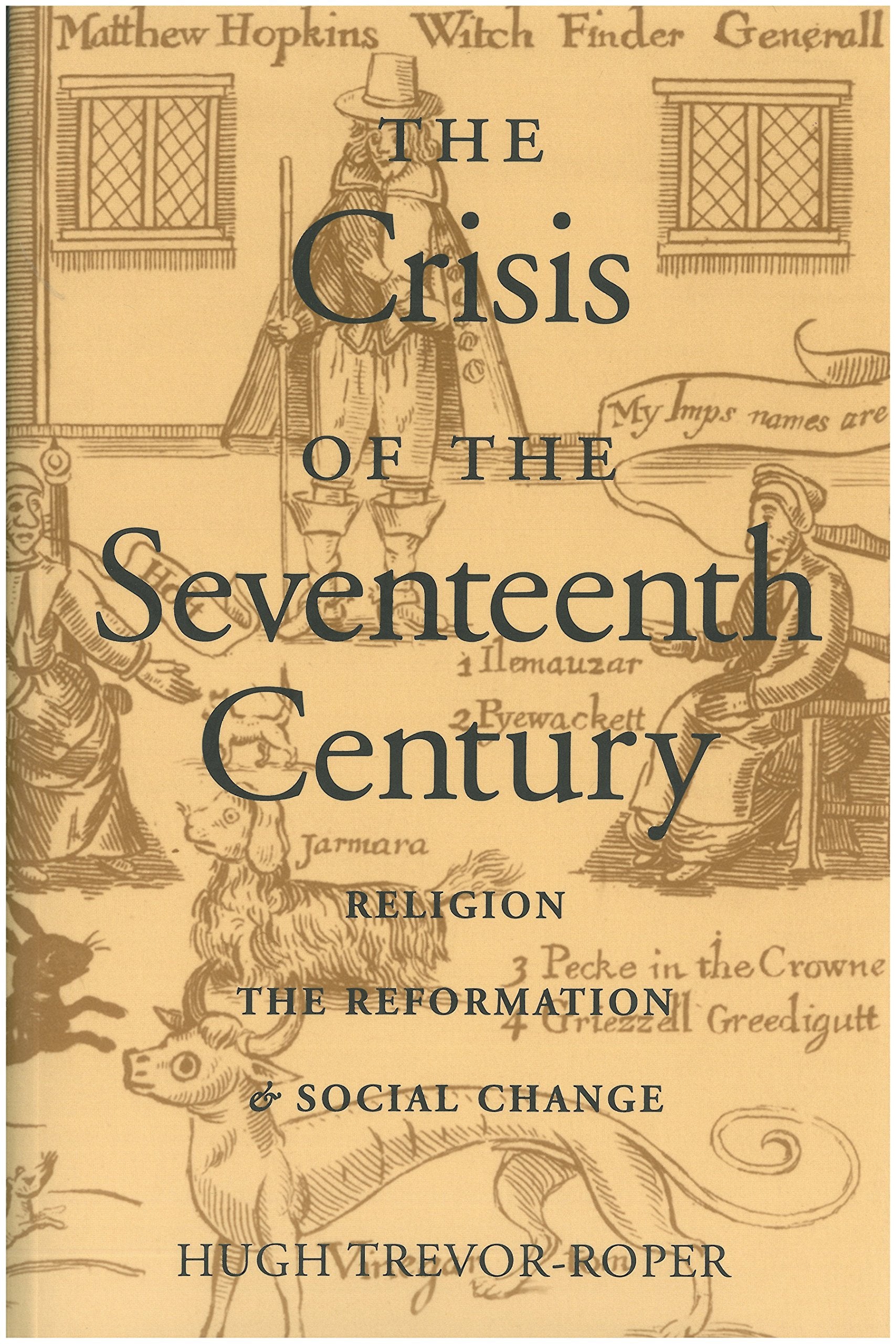
The Crisis of the Seventeenth Century collects nine essays by TrevorRoper on the themes of religion, the Reformation, and social change.In his longest essay, The European Witchcraze of the Sixteenth and Seventeenth Centuries, TrevorRoper points out that in England the most active phase of witchhunting coincided with times of Puritan pressurethe reign of Queen Elizabeth and the period of the civil warsand some very fanciful theories have been built on this coincidence. But . . . the persecution of witches in England was trivial compared with the experience of the Continent and of Scotland. Therefore . . . [one must examine] the craze as a whole, throughout Europe, and [seek] to relate its rise, frequency, and decline to the general intellectual and social movements of the time.Because TrevorRoper believes that the English Revolution of the seventeenth century cannot be isolated from a general crisis in Europe, he devotes the longest of his essays to the European Witchcraze. Events in Englandand the intellectual currents from which they emerged and to which they gave impetuscannot be understood apart from events and intellectual currents on the Continent.TrevorRoper acknowledges that the belief in witches, and the persecution of people believed to be witches, may be, to some at least, a disgusting subject, below the dignity of history. However, he goes on, [I]t is also a historical fact, of European significance, and its rise precisely in the years of the Renaissance and Reformation is a problem which must be faced by anyone who is tempted to overemphasize the modernity of that period.Hugh TrevorRoper, Lord Dacre (19142003) was Regius Professor of Modern History at the University of Oxford.
⚠️ WARNING (California Proposition 65):
This product may contain chemicals known to the State of California to cause cancer, birth defects, or other reproductive harm.
For more information, please visit www.P65Warnings.ca.gov.