
Title
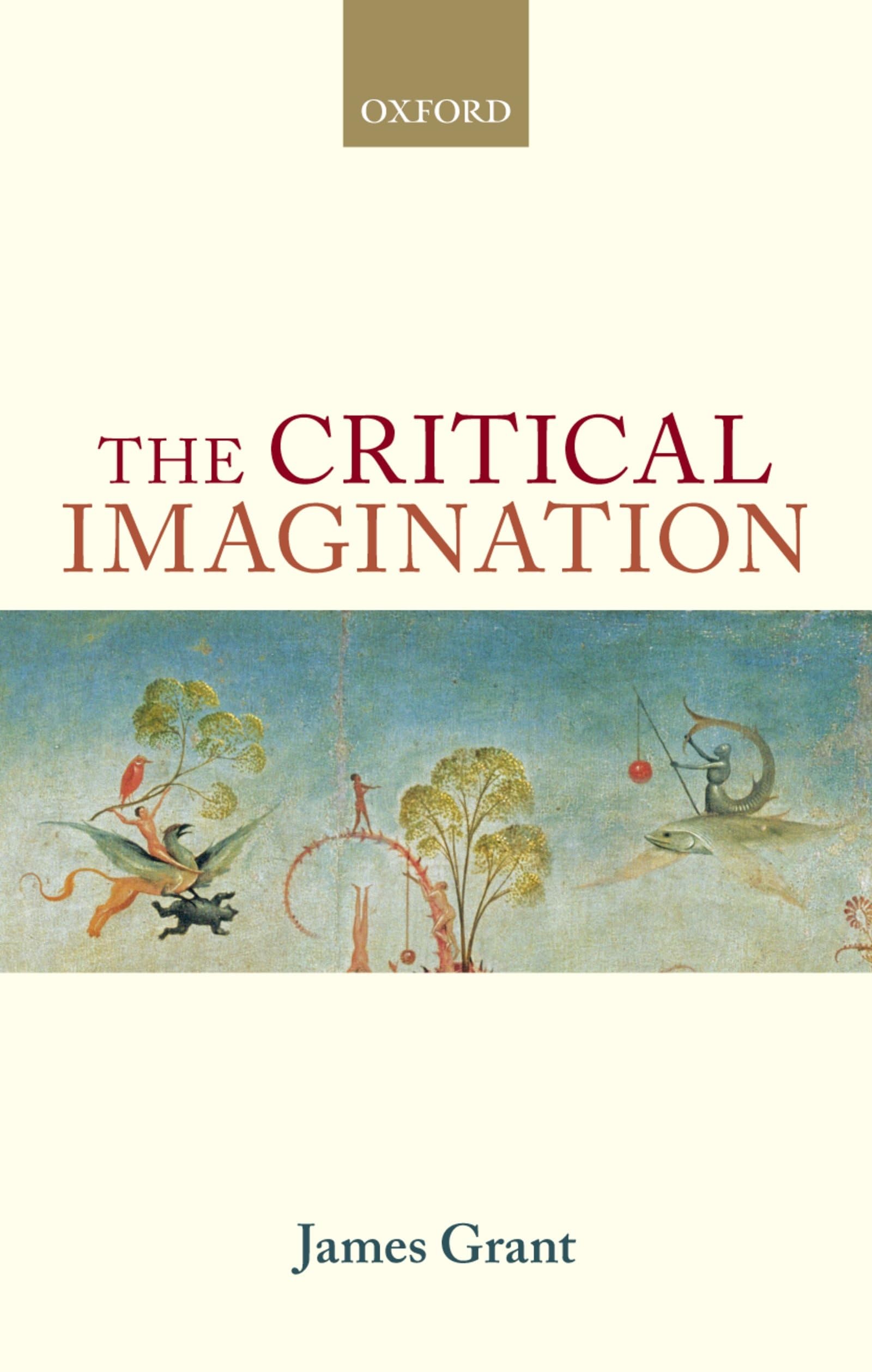
The Critical Imagination (Oxford Philosophical Monographs),Used
Sold by Ergodebooks, an authorized reseller.
Returns accepted within 30 days | support@ergodebooks.com
Shipping Information
- Free Standard Shipping — United States only
- Processing Time: 3–5 business days
- Estimated Delivery: 6–10 business days after dispatch
- Double-boxed, fully insured & discreetly packaged
- Tracking number sent via email once dispatched
Returns & Refund
Returns accepted within 30 days of delivery.
Damaged or Defective Item
Free return shipping + replacement or full refund
Wrong Item Received
Free return shipping + replacement or full refund
Change of Mind
Return shipping at customer's expense · 25% restocking fee applies
Payment Option

The Critical Imagination is a study of metaphor, imaginativeness, and criticism of the arts. Since the eighteenth century, many philosophers have argued that appreciating art is rewarding because it involves responding imaginatively to a work. Literary works can be interpreted in many ways; architecture can be seen as stately, meditative, or forbidding; and sensitive descriptions of art are often colourful metaphors: music can 'shimmer,' prose can be 'perfumed,' and a painter's colouring can be 'effervescent.' Engaging with art, like creating it, seems to offer great scope for imagination. Hume, Kant, Oscar Wilde, Roger Scruton, and others have defended variations on this attractive idea. In this book, James Grant critically examines it.The first half explains the role imaginativeness plays in criticism. To do this, Grant answers three questions that are of interest in their own right. First, what are the aims of criticism? Is the point of criticizing a work to evaluate it, to explain it, to modify our response to it, or something else? Second, what is it to appreciate art? Third, what is imaginativeness? He gives new answers to all three questions, and uses them to explain the role of imaginativeness in criticism.The book's second half focuses on metaphor. Why are some metaphors so effective? How do we understand metaphors? Are some thoughts expressible only in metaphor? Grant's answers to these questions go against much current thinking in the philosophy of language. He uses these answers to explain why imaginative metaphors are so common in art criticism. The result is a rigorous and original theory of metaphor, criticism, imaginativeness, and their interrelations.
⚠️ WARNING (California Proposition 65):
This product may contain chemicals known to the State of California to cause cancer, birth defects, or other reproductive harm.
For more information, please visit www.P65Warnings.ca.gov.