
Title
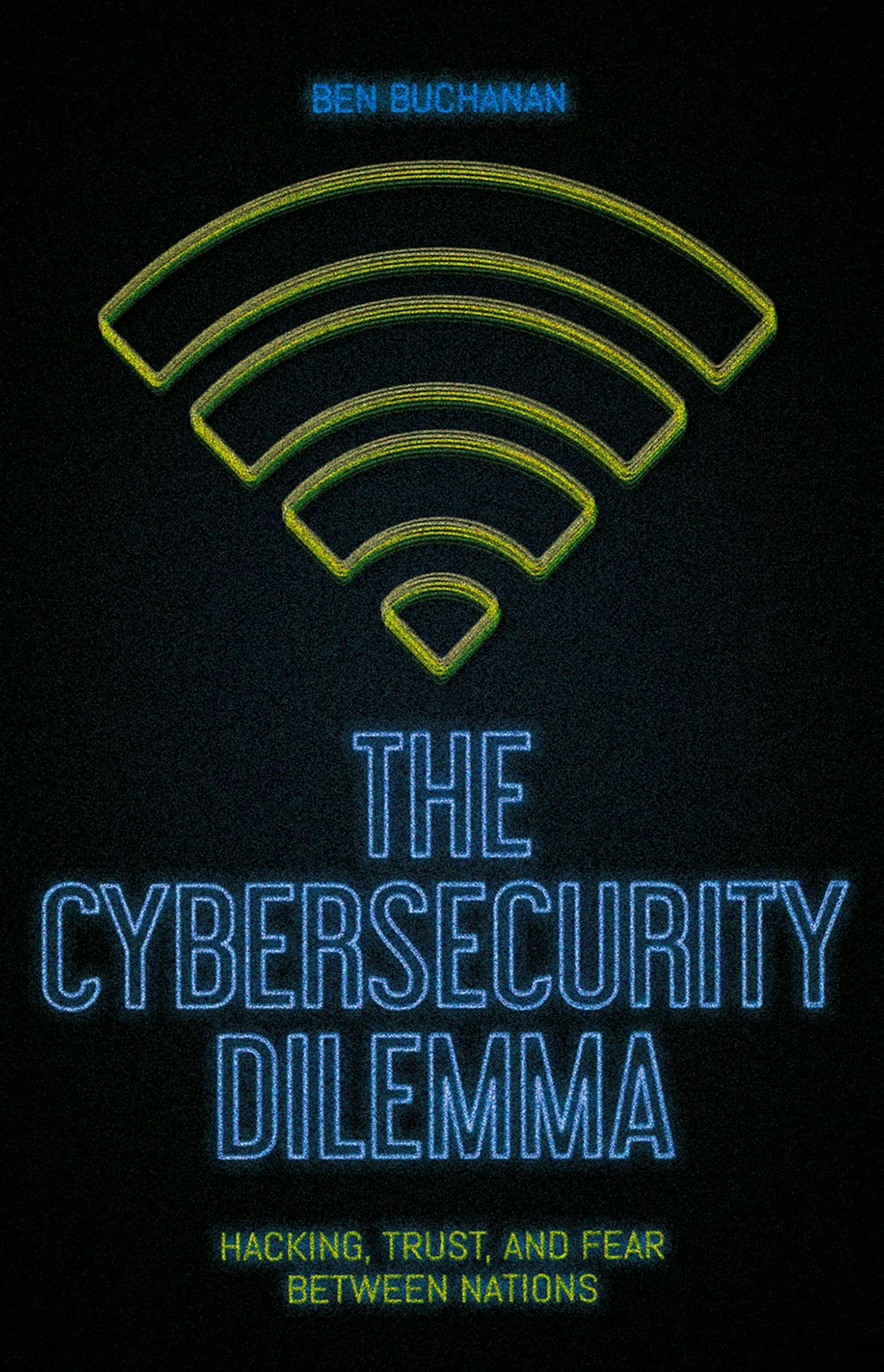
The Cybersecurity Dilemma: Hacking, Trust and Fear Between Nations,New
Sold by Ergodebooks, an authorized reseller.
Returns accepted within 30 days | support@ergodebooks.com
Shipping Information
- Free Standard Shipping — United States only
- Processing Time: 3–5 business days
- Estimated Delivery: 6–10 business days after dispatch
- Double-boxed, fully insured & discreetly packaged
- Tracking number sent via email once dispatched
Returns & Refund
Returns accepted within 30 days of delivery.
Damaged or Defective Item
Free return shipping + replacement or full refund
Wrong Item Received
Free return shipping + replacement or full refund
Change of Mind
Return shipping at customer's expense · 25% restocking fee applies
Payment Option

Why do nations break into one another's most important computer networks? There is an obvious answer: to steal valuable information or to attack. But this isn't the full story. This book draws on oftenoverlooked documents leaked by Edward Snowden, realworld case studies of cyber operations, and policymaker perspectives to show that intruding into other countries' networks has enormous defensive value as well. Two nations, neither of which seeks to harm the other but neither of which trusts the other, will often find it prudent to launch intrusions. This general problem, in which a nation's means of securing itself threatens the security of others and risks escalating tension, is a bedrock concept in international relations and is called the 'security dilemma'. This book shows not only that the security dilemma applies to cyber operations, but also that the particular characteristics of the digital domain mean that the effects are deeply pronounced. The cybersecurity dilemma is both a vital concern of modern statecraft and a means of accessibly understanding the essential components of cyber operations.
⚠️ WARNING (California Proposition 65):
This product may contain chemicals known to the State of California to cause cancer, birth defects, or other reproductive harm.
For more information, please visit www.P65Warnings.ca.gov.