
Title
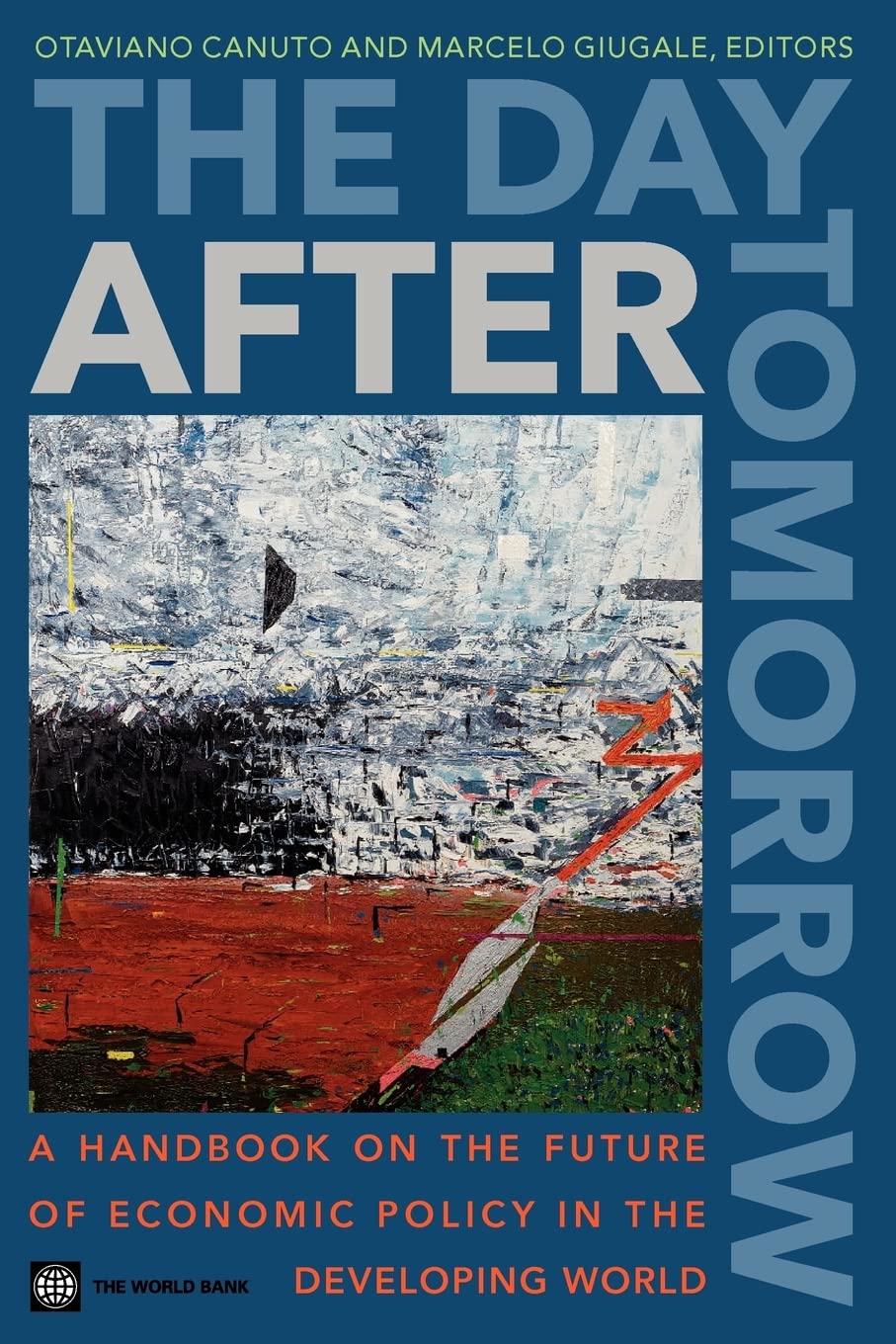
The Day After Tomorrow: A Handbook On The Future Of Economic Policy In The Developing World,Used
Sold by Ergodebooks, an authorized reseller.
Returns accepted within 30 days | support@ergodebooks.com
Shipping Information
- Free Standard Shipping — United States only
- Processing Time: 3–5 business days
- Estimated Delivery: 6–10 business days after dispatch
- Double-boxed, fully insured & discreetly packaged
- Tracking number sent via email once dispatched
Returns & Refund
Returns accepted within 30 days of delivery.
Damaged or Defective Item
Free return shipping + replacement or full refund
Wrong Item Received
Free return shipping + replacement or full refund
Change of Mind
Return shipping at customer's expense · 25% restocking fee applies
Payment Option

The 200809 global financial crisis shook the ground under the conventional wisdom that had guided mainstream development economics. Much of what had been held as true for decades is now open to reexamination from what the role of governments should be in markets to which countries will be the engines of the worlds economy, from what people need to leave poverty to what businesses need to stay competitive.Development economists look into the future. They do not just ask how things work today, but how a new policy, program, or project would make them work tomorrow. They view the world and history as a learning processpast and present are inputs into thinking about what is coming. It is that appetite for a vision of the future that led the authors of The Day after Tomorrow: A Handbook on the Future of Economic Policy in the Developing World to invite some 40 development economists, most of them from the World Banks Poverty Reduction and Economic Management Networkan epicenter of the professionto report what they see on the horizon of their technical disciplines and of their geographic areas of specialization.The disconcerting but exciting search for a new intellectual compact has begun. To help guide the discussion, The Day after Tomorrow: A Handbook on the Future of Economic Policy in the Developing World puts forth four key messages: While the developed world gets its house in order, and macroeconomics and finance achieve a new consensus, developing countries will become a (perhaps the) growth engine for the world. Faster technological learning and more South South integration will fuel that engine. Governments in developing countries will be betterthey may even begin to earn the trust of their people. A new, smarter generation of social policy will bring the end of poverty within reach, but the attainment of equality is another matter. Many regions of the developing world will break out of their developing status and will graduate into something akin to newly developed. Africa will eventually join that group. Others, like Eastern Europe, have a legacy of problems to address before such a transition.While some regions will do better than others, and some technical areas will be clearer than others, there is no question that the horizon of economic policy for developing countries is promisingrisky, yes, but promising. The rebalancing of global growth toward, at the very least, a multiplicity of engines, will give the developing world a new relevance.
⚠️ WARNING (California Proposition 65):
This product may contain chemicals known to the State of California to cause cancer, birth defects, or other reproductive harm.
For more information, please visit www.P65Warnings.ca.gov.