
Title
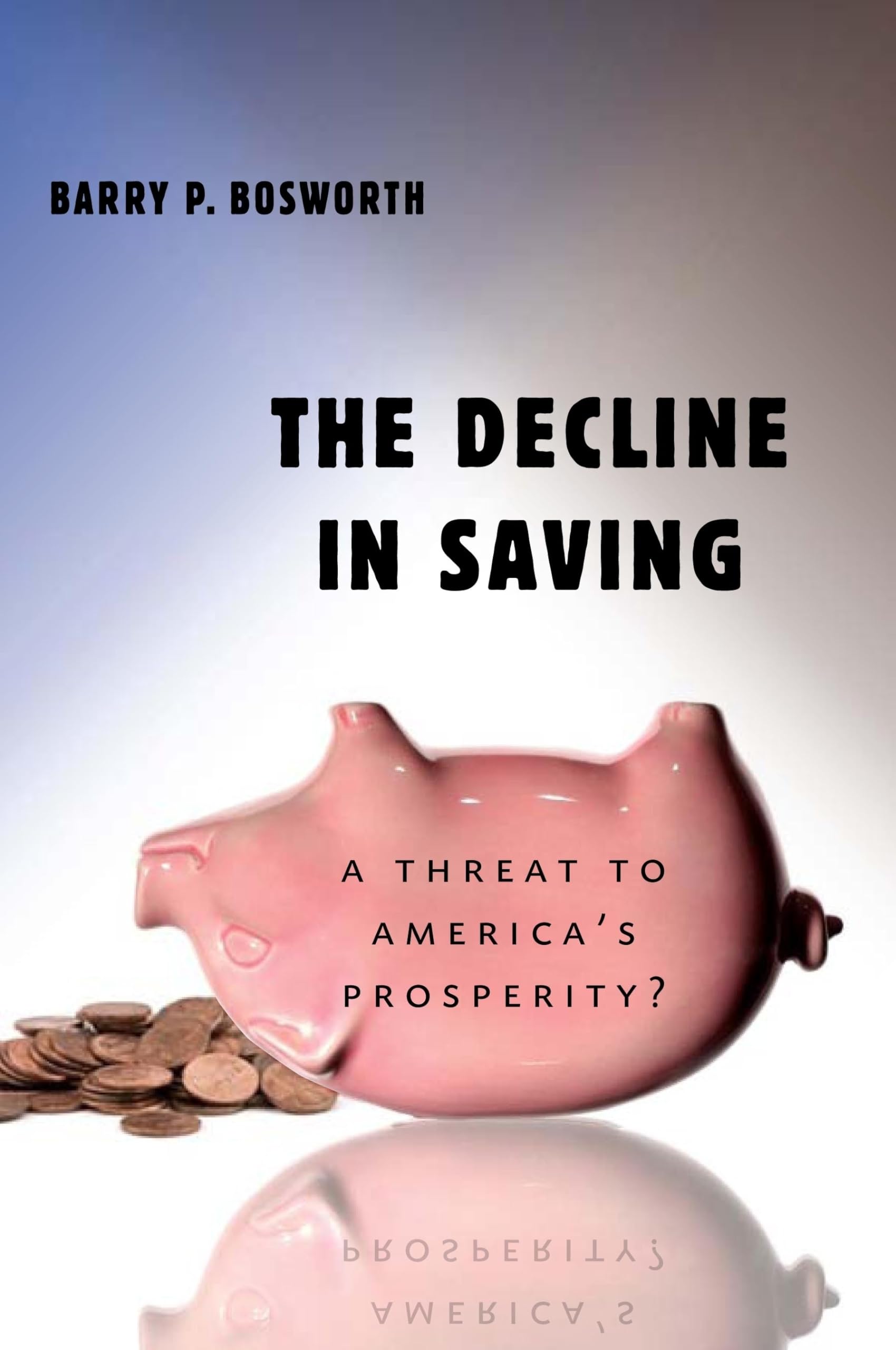
The Decline In Saving: A Threat To America'S Prosperity?,Used
Sold by Ergodebooks, an authorized reseller.
Returns accepted within 30 days | support@ergodebooks.com
Shipping Information
- Free Standard Shipping — United States only
- Processing Time: 3–5 business days
- Estimated Delivery: 6–10 business days after dispatch
- Double-boxed, fully insured & discreetly packaged
- Tracking number sent via email once dispatched
Returns & Refund
Returns accepted within 30 days of delivery.
Damaged or Defective Item
Free return shipping + replacement or full refund
Wrong Item Received
Free return shipping + replacement or full refund
Change of Mind
Return shipping at customer's expense · 25% restocking fee applies
Payment Option

Longtime Brookings economist and former presidential adviser Barry Bosworth examines why saving rates in the United States have fallen so precipitously over the past quarter century, why the initial consequences were surprisingly benign, and how reduced saving will affect the future wellbeing of Americans.The Decline in Saving provides an extensive and unparalleled account of the complexity of present saving patterns, an issue made even more serious by the 200809 global economic and financial crises. It objectively examines saving at both the individual household and the aggregate economy levels to understand whether the U.S. decline in saving is truly a threat to American prosperity.Highlights from The Decline in Saving:''The magnitude of the twodecadelong fall in household saving has been truly astonishing; it is even more surprising in view of the fact that the large cohort of baby boomers should have been in their peak saving years.''''If Americans save so little, why are they so rich? This divergence emerges because the conventional measure of saving excludes all forms of capital gains....''''Saving behavior appears to be influenced in important ways by countryspecific institutional factors along with a few common determinants, such as income growth, demographic changes, and variations in private wealth.''''In the aggregate, the United States has had a negative net national saving rate since the onset of the financial crisis, and it now relies on foreign resource inflows to finance all its capital accumulation and a portion of its consumption.''''The optimistic projections of just a few years ago about the future wellbeing of retirees now seem seriously dated.'''
⚠️ WARNING (California Proposition 65):
This product may contain chemicals known to the State of California to cause cancer, birth defects, or other reproductive harm.
For more information, please visit www.P65Warnings.ca.gov.