
Title
The Democratization of American Christianity,Used
Sold by Ergodebooks, an authorized reseller.
Returns accepted within 30 days | support@ergodebooks.com
Shipping Information
- Free Standard Shipping — United States only
- Processing Time: 3–5 business days
- Estimated Delivery: 6–10 business days after dispatch
- Double-boxed, fully insured & discreetly packaged
- Tracking number sent via email once dispatched
Returns & Refund
Returns accepted within 30 days of delivery.
Damaged or Defective Item
Free return shipping + replacement or full refund
Wrong Item Received
Free return shipping + replacement or full refund
Change of Mind
Return shipping at customer's expense · 25% restocking fee applies
Payment Option

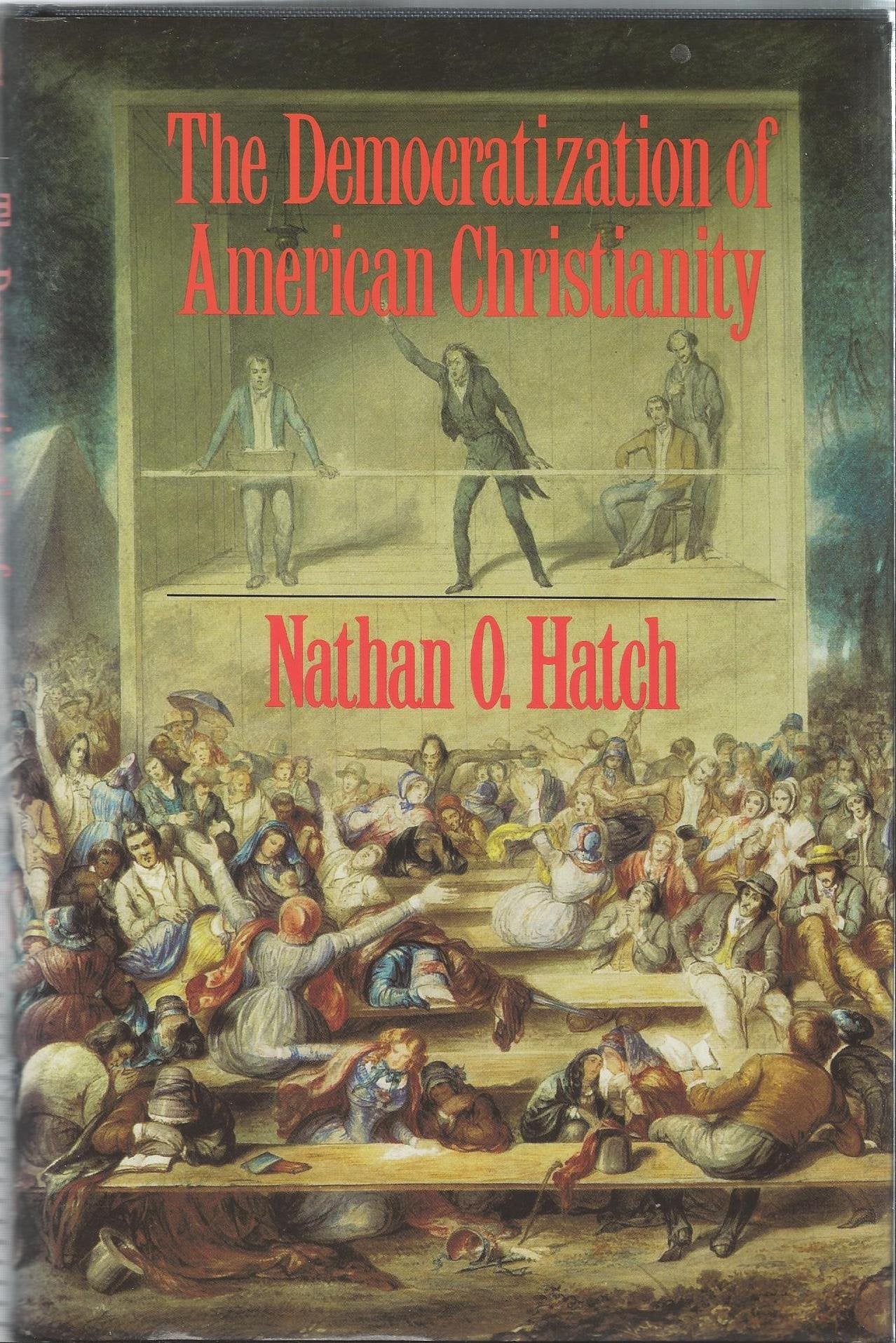
The half century following the American Revolution witnessed the transformation of American Christianity. In this book Nathan O. Hatch offers a provocative reassessment of religion and culture in the young republic, arguing that during this period American Christianity was democratized and common people became powerful accors on the religious scene. The passion for equality, says Hatch, brought about a crisis or religious authority in popular culture, introduced new and popular forms of theology, witnessed the rise of minority religious movements, reshaped preaching, singing, and publishing, and became a scriptural foundation for nineteenthcentury American individualism. Hatch examines five distinct traditions or mass movements that emerged early in the nineteenth the Christian movement, the Methodists, the Baptists, the black churches, and the Mormons. Each was led by young men of relentless energy who went about movement building as selfconscious outsiders, However diverse their theologies and church organizations. Hatch points out, they all offered the unschooled and unsophisticated compelling visions of individual potential and collective aspiration. More effectively than religious movements in other modern industrial societies, these denominations embraced people without regard to social standing and challenged them to think, interpret Scripture, and organize the church for themselves. The religious populism that resulted remains among the oldest and deepest impulse in American life.
⚠️ WARNING (California Proposition 65):
This product may contain chemicals known to the State of California to cause cancer, birth defects, or other reproductive harm.
For more information, please visit www.P65Warnings.ca.gov.