
Title
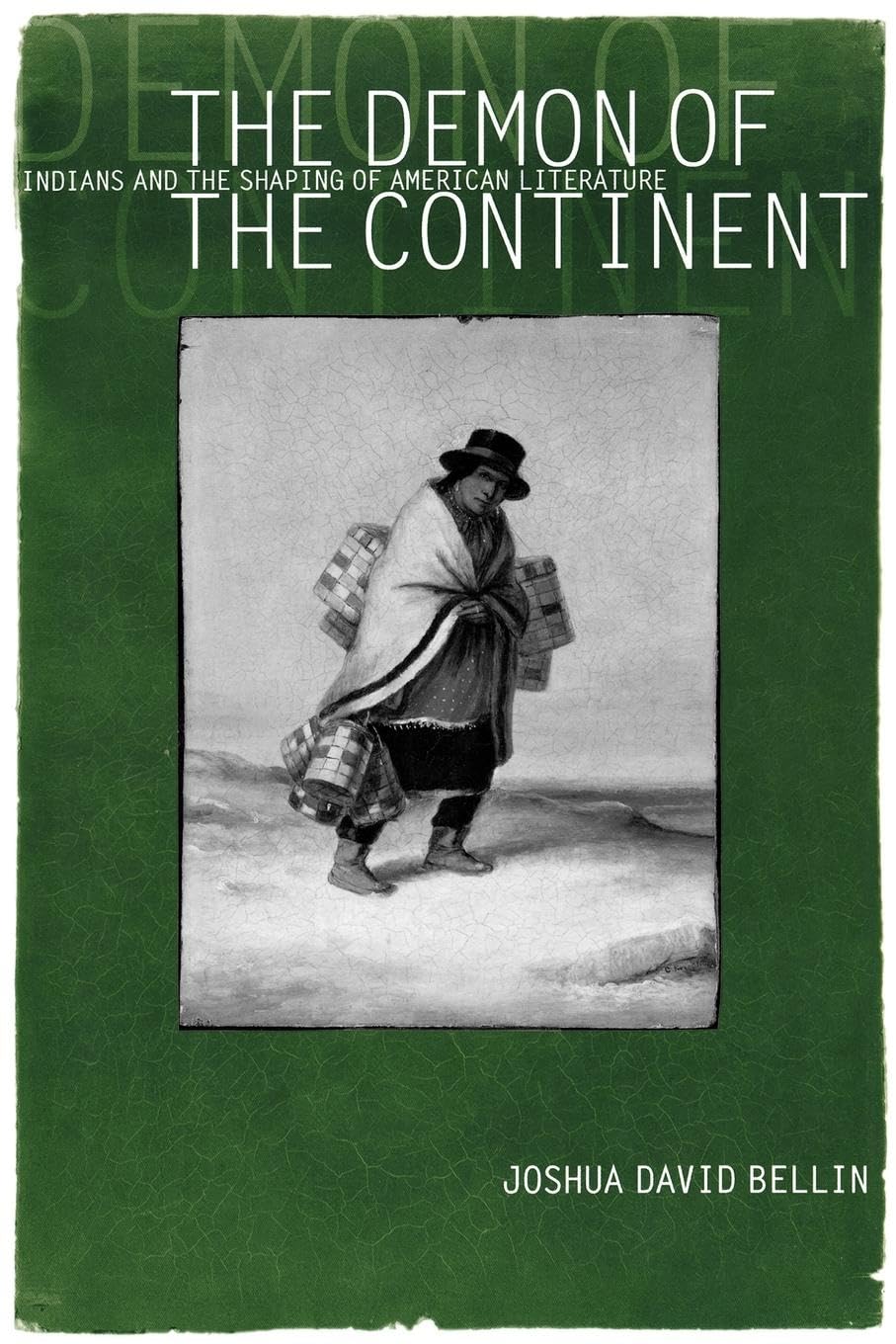
The Demon Of The Continent: Indians And The Shaping Of American Literature,New
Sold by Ergodebooks, an authorized reseller.
Returns accepted within 30 days | support@ergodebooks.com
Shipping Information
- Free Standard Shipping — United States only
- Processing Time: 3–5 business days
- Estimated Delivery: 6–10 business days after dispatch
- Double-boxed, fully insured & discreetly packaged
- Tracking number sent via email once dispatched
Returns & Refund
Returns accepted within 30 days of delivery.
Damaged or Defective Item
Free return shipping + replacement or full refund
Wrong Item Received
Free return shipping + replacement or full refund
Change of Mind
Return shipping at customer's expense · 25% restocking fee applies
Payment Option

In recent years, the study and teaching of Native American oral and written art have flourished. During the same period, there has been a growing recognition among historians, anthropologists, and ethnohistorians that Indians must be seen not as the voiceless, nameless, faceless Other but as people who had a powerful impact on the historical development of the United States. Literary critics, however, have continued to overlook Indians as determinants of Americanrather than specifically Native Americanliterature. The notion that the presence of Indian peoples shaped American literature as a whole remains unexplored.In The Demon of the Continent, Joshua David Bellin probes the complex interrelationships among Native American and EuroAmerican cultures and literatures from the midseventeenth to the midnineteenth centuries. He asserts that cultural contact is at the heart of American literature. For Bellin, previous studies of Indians in American literature have focused largely on the images EuroAmerican writers constructed of indigenous peoples, and have thereby only perpetuated those images. Unlike authors of those earlier studies, Bellin refuses to reduce Indians to static antagonists or fodder for a EuroAmerican imagination.Drawing on works such as Henry David Thoreau's Walden, William Apess' A Son of the Forest, and little known works such as colonial Indian conversion narratives, he explores the ways in which these texts reflect and shape the intercultural world from which they arose. In doing so, Bellin reaches surprising conclusions: that Walden addresses economic clashes and partnerships between Indians and whites; that William Bartram's Travels encodes competing and interpenetrating systems of Indian and white landholding; that Catherine Sedgwick's Hope Leslie enacts the antebellum drama of Indian conversion; that James Fenimore Cooper and Henry Wadsworth Longfellow struggled with Indian authors such as George Copway and David Cusick for physical, ideological, and literary control of the nation.The Demon of the Continent proves Indians to be actors in the dynamic processes in which America and its literature are inescapably embedded. Shifting the focus from textual images to the sites of material, ideological, linguistic, and aesthetic interaction between peoples, Bellin reenvisions American literature as the product of contact, conflict, accommodation, and interchange.
⚠️ WARNING (California Proposition 65):
This product may contain chemicals known to the State of California to cause cancer, birth defects, or other reproductive harm.
For more information, please visit www.P65Warnings.ca.gov.