
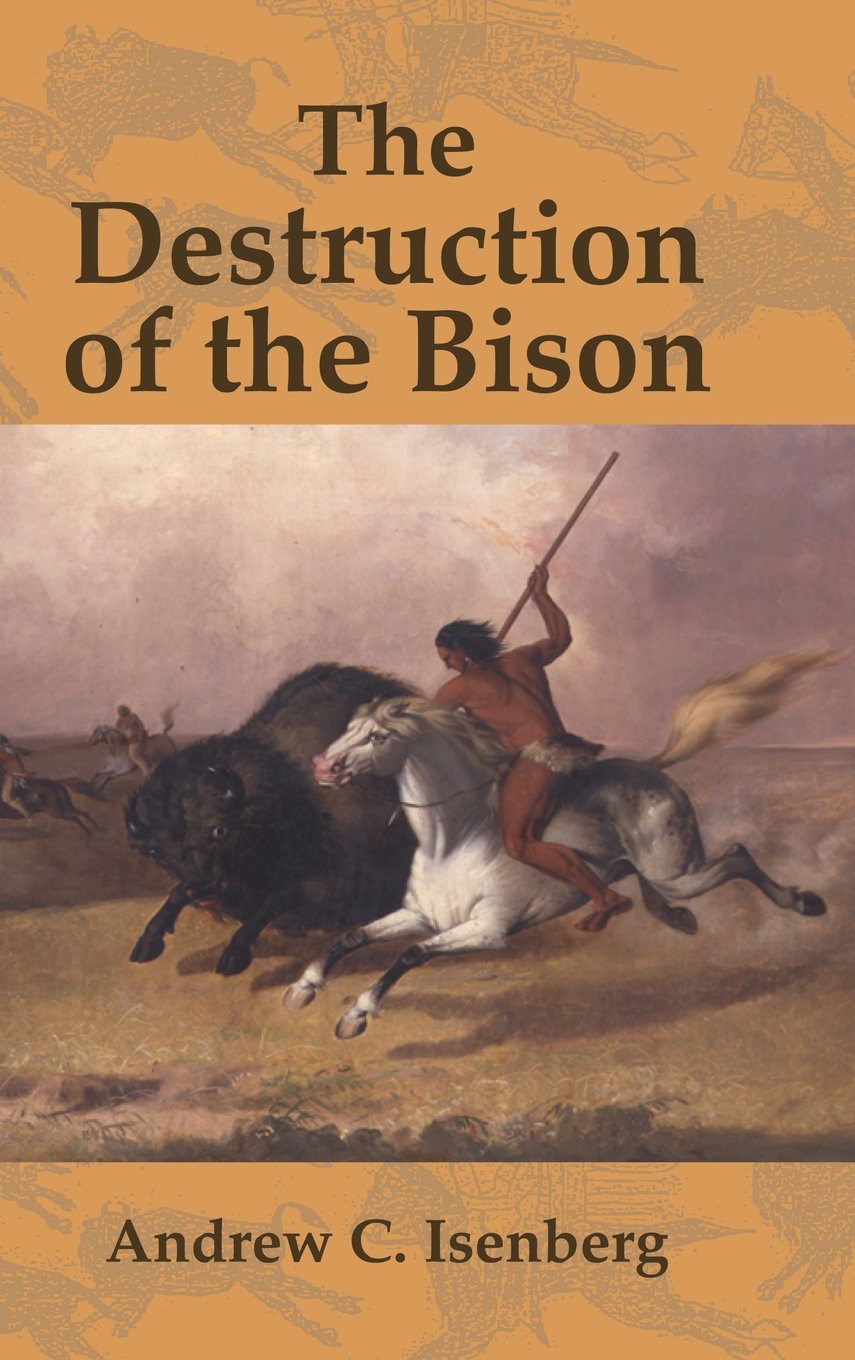
Title
The Destruction of the Bison: An Environmental History, 17501920 (Studies in Environment and History),New
Sold by Ergodebooks, an authorized reseller.
Returns accepted within 30 days | support@ergodebooks.com
Shipping Information
- Free Standard Shipping — United States only
- Processing Time: 3–5 business days
- Estimated Delivery: 6–10 business days after dispatch
- Double-boxed, fully insured & discreetly packaged
- Tracking number sent via email once dispatched
Returns & Refund
Returns accepted within 30 days of delivery.
Damaged or Defective Item
Free return shipping + replacement or full refund
Wrong Item Received
Free return shipping + replacement or full refund
Change of Mind
Return shipping at customer's expense · 25% restocking fee applies
Payment Option

The Destruction of the Bison explains the decline of the North American bison population from an estimated 30 million in 1800 to fewer than 1000 a century later. In this wideranging, interdisciplinary study, Andrew C. Isenberg argues that the cultural and ecological encounter between Native Americans and Euroamericans in the Great Plains was the central cause of the near extinction of the bison. Drought and the incursion of domestic livestock and exotic species such as horses into the Great Plains all threatened the Western ecosystem, which was further destabilized as interactions between Native Americans and Euroamericans created new types of hunters in both cultures: mounted Indian nomads and white commercial hide hunters. In the early twentieth century, nostalgia about the very cultural strife that first threatened the bison became, ironically, an important impetus to its preservation.
⚠️ WARNING (California Proposition 65):
This product may contain chemicals known to the State of California to cause cancer, birth defects, or other reproductive harm.
For more information, please visit www.P65Warnings.ca.gov.
- Q: How many pages does the book have? A: The book has two hundred twenty pages. This length allows for an in-depth exploration of the environmental history of the bison.
- Q: What is the binding type of this book? A: The book is a hardcover edition. Hardcover bindings provide durability and a more premium feel compared to paperback.
- Q: What are the physical dimensions of the book? A: The book measures six and a half inches in length, nine point zero six inches in height, and three quarters of an inch in width. These dimensions make it a manageable size for reading.
- Q: How do I read this book effectively? A: To read this book effectively, find a quiet space and take notes on key themes. The book covers complex interactions between cultures, so reflecting on each chapter may enhance understanding.
- Q: Is this book suitable for all ages? A: This book is generally more suitable for adults and older teens. It discusses historical and environmental themes that may require prior knowledge to fully appreciate.
- Q: What genre does this book fall under? A: This book falls under the genre of environmental history. It specifically examines the relationship between humans and nature in the context of the bison's decline.
- Q: How should I store this book? A: Store this book in a cool, dry place away from direct sunlight. This helps preserve the hardcover and prevents warping or fading.
- Q: Can I clean the book if it gets dirty? A: Yes, you can clean the book if it gets dirty. Use a soft, dry cloth to gently wipe the cover and pages, avoiding any liquids that could damage it.
- Q: How do I ensure its longevity? A: To ensure the book's longevity, avoid exposing it to extreme temperatures and humidity. Regularly check for any signs of wear or damage.
- Q: What if my book arrives damaged? A: If your book arrives damaged, you should contact the seller for a return or exchange. Most sellers have policies in place for damaged items.
- Q: Is there a warranty on this book? A: No, there is typically no warranty on books. However, many sellers offer return policies for damaged or defective items.
- Q: What are the main themes discussed in the book? A: The main themes include the environmental impact of human interaction with nature and the cultural history surrounding the bison's decline. It offers valuable insights into historical ecology.
- Q: How does this book compare to other environmental histories? A: This book stands out by focusing specifically on the bison's decline and the cultural interactions that contributed to it, making it unique among environmental histories.
- Q: Who is the author of this book? A: The author of this book is Andrew C. Isenberg. He is known for his expertise in environmental history and has published several works on related topics.
- Q: What makes this book a good choice for environmental studies? A: This book is a good choice for environmental studies because it provides a thorough analysis of the historical factors influencing the bison's decline and offers interdisciplinary insights.
- Q: What kind of reader would enjoy this book? A: Readers interested in environmental history, cultural studies, or North American history would enjoy this book. It appeals to those seeking a deeper understanding of ecological narratives.