
Title
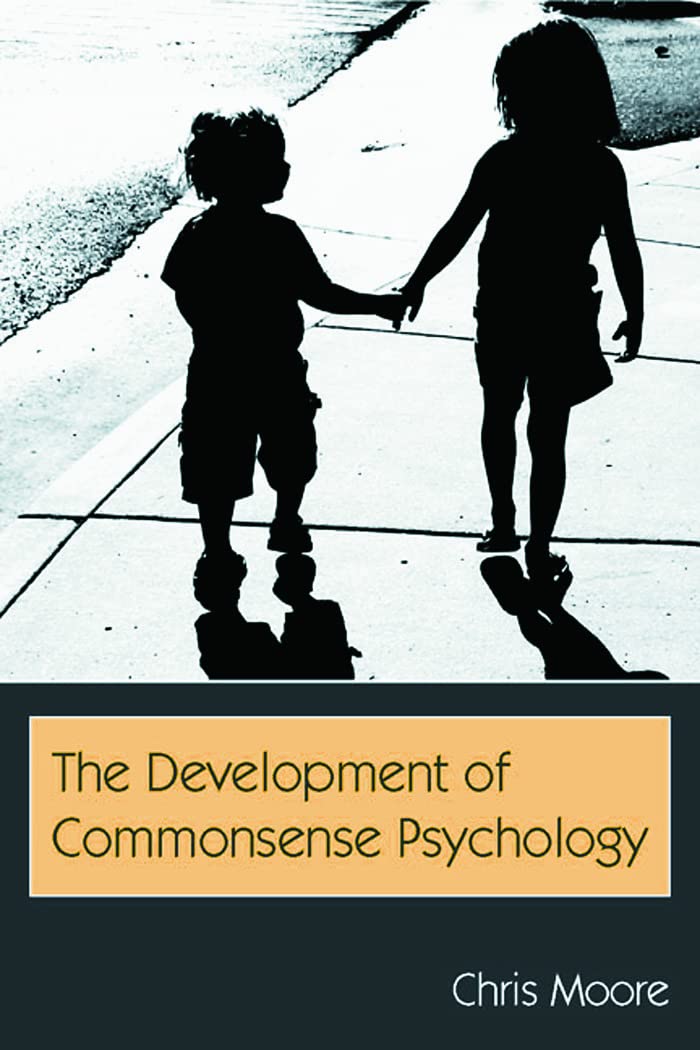
The Development Of Commonsense Psychology (Developing Mind Series),Used
Sold by Ergodebooks, an authorized reseller.
Returns accepted within 30 days | support@ergodebooks.com
Shipping Information
- Free Standard Shipping — United States only
- Processing Time: 3–5 business days
- Estimated Delivery: 6–10 business days after dispatch
- Double-boxed, fully insured & discreetly packaged
- Tracking number sent via email once dispatched
Returns & Refund
Returns accepted within 30 days of delivery.
Damaged or Defective Item
Free return shipping + replacement or full refund
Wrong Item Received
Free return shipping + replacement or full refund
Change of Mind
Return shipping at customer's expense · 25% restocking fee applies
Payment Option

How do children develop an understanding of people as psychological entities as feeling, thinking beings? How do they come to understand human behavior as driven by desires and informed by reason? These questions are at the heart of contemporary research on childrens 'theories of mind.' Although there has been an enormous amount of research on this topic, nobody until now has provided a coherent account that traces the development of theory of mind from birth to five years.This book begins by analyzing the nature of commonsense psychology and exploring the developmental processes relevant to its development. It then describes the manner in which the child moves from being a newborn with perceptual sensitivities to people, to an infant who can share psychological experiences with others, to a young child who can recognize people, including both self and others, as individual psychological beings. Finally, the book shows how, throughout this developmental process, the childs social interactive experiences are used by the child to generate ever more sophisticated forms of commonsense psychology.The Development of Commonsense Psychology incorporates material from a wide range of research on early development, including infant social interaction, joint attention, self development, language development, theory of mind, and autobiographical memory.Suitable as a text for senior undergraduate/honors courses or graduate level courses in early development, the primary audience for this book is developmental psychologists. However, it is also written in a way that will make it accessible and appealing to anyone with an interest in social cognitive development in early childhood, including parents, educators, and policymakers.
⚠️ WARNING (California Proposition 65):
This product may contain chemicals known to the State of California to cause cancer, birth defects, or other reproductive harm.
For more information, please visit www.P65Warnings.ca.gov.