
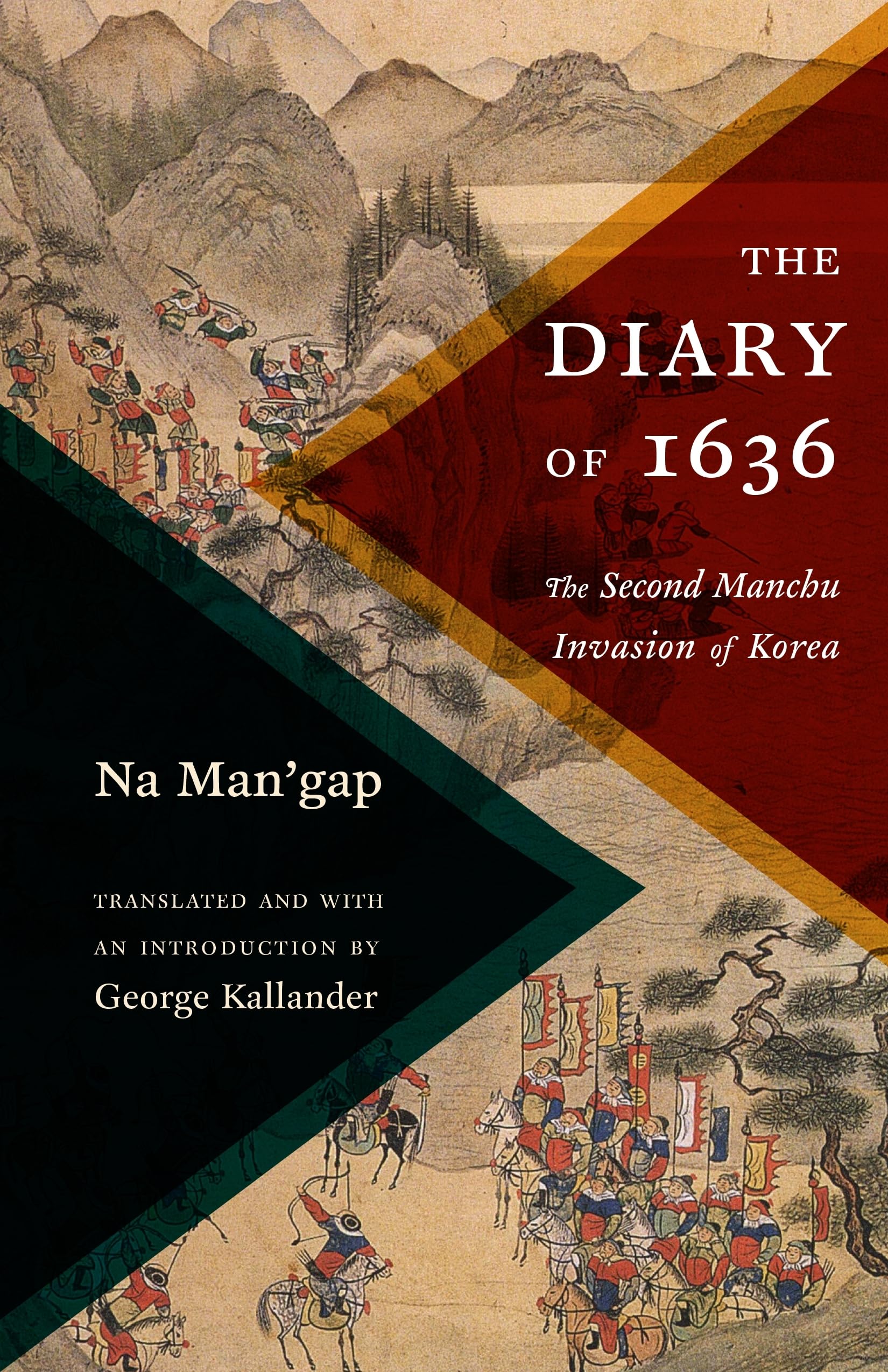
Title
The Diary of 1636: The Second Manchu Invasion of Korea (Translations from the Asian Classics),New
Sold by Ergodebooks, an authorized reseller.
Returns accepted within 30 days | support@ergodebooks.com
Shipping Information
- Free Standard Shipping — United States only
- Processing Time: 3–5 business days
- Estimated Delivery: 6–10 business days after dispatch
- Double-boxed, fully insured & discreetly packaged
- Tracking number sent via email once dispatched
Returns & Refund
Returns accepted within 30 days of delivery.
Damaged or Defective Item
Free return shipping + replacement or full refund
Wrong Item Received
Free return shipping + replacement or full refund
Change of Mind
Return shipping at customer's expense · 25% restocking fee applies
Payment Option

Early in the seventeenth century, Northeast Asian politics hung in a delicate balance among the Choson dynasty in Korea, the Ming in China, and the Manchu. When a Choson faction realigned Korea with the Ming, the Manchu attacked in 1627 and again a decade later, shattering the ChosonMing alliance and forcing Korea to support the newly founded Qing dynasty.The Korean scholarofficial Na Mangap (15921642) recorded the second Manchu invasion in his Diary of 1636, the only firstperson account chronicling the dramatic Korean resistance to the attack. Partly composed as a narrative of quotidian events during the siege of Namhan Mountain Fortress, where Na sought refuge with the king and other officials, the diary recounts Korean opposition to Manchu and Mongol forces and the eventual surrender. Na describes military campaigns along the northern and western regions of the country, the capture of the royal family, and the Manchu treatment of prisoners, offering insights into debates about Confucian loyalty and the conduct of women that took place in the wars aftermath. His work sheds light on such issues as Confucian statecraft, military decision making, and ethnic interpretations of identity in the seventeenth century. Translated from literary Chinese into English for the first time, the diary illuminates a traumatic moment for early modern Korean politics and society. George Kallanders critical introduction and extensive annotations place The Diary of 1636 in its historical, political, and military context, highlighting the importance of this text for students and scholars of Chinese and East Asian as well as Korean history.
⚠️ WARNING (California Proposition 65):
This product may contain chemicals known to the State of California to cause cancer, birth defects, or other reproductive harm.
For more information, please visit www.P65Warnings.ca.gov.